Rheumatologists in Türkiye
37 rheumatologists in Türkiye are listed on Medicaltour, practising at 36 private hospitals and clinics that hold the Ministry of Health's health-tourism authorization.
13 hold the title of professor. 3 are associate professors. 17 report 20 or more years of experience. Languages stated: English (2). By city: Istanbul (16), Ankara (4), Bursa (3), Gaziantep (3), Samsun (3), Adana (2).
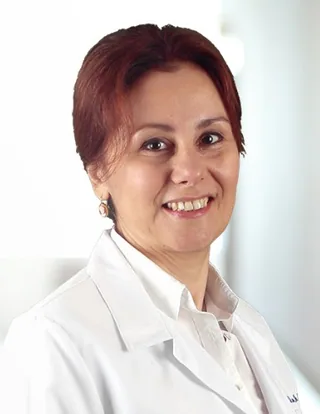
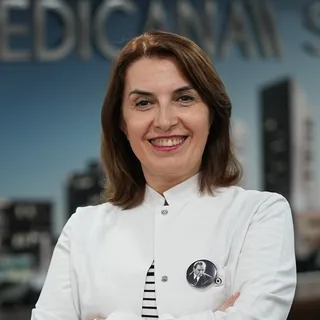
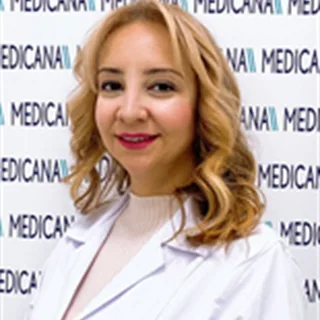
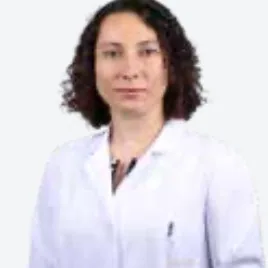
Demet Taşan
Doctor · Rheumatology
Bahçeşehir University Medical Park Göztepe Hospital · Kadıköy, İstanbul
- Education
- Graduated from Cerrahpaşa Faculty of Medicine
- Training
- Specialty training in Internal Medicine at Goztepe Training and Research Hospital
- Subspecialty training in Rheumatology at Marmara University Faculty of Medicine
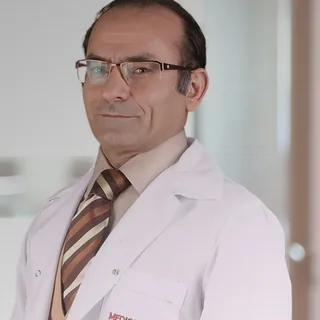
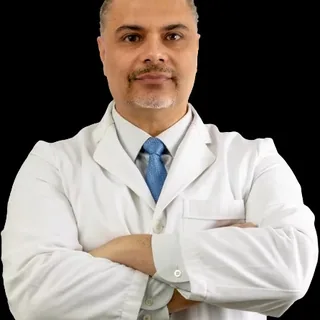
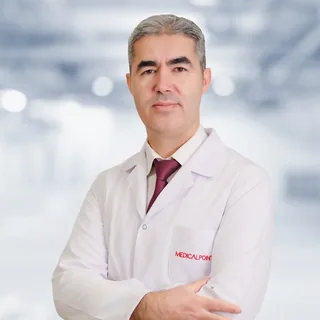
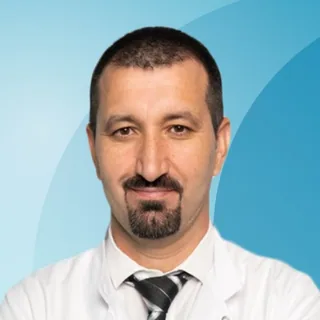
Mehmet Soy
Professor · Rheumatology
Altınbaş University Medical Park Bahçelievler Hospital · Bahçelievler, İstanbul
- Experience
- 36 years
- Treatments
- Joint Punctures and Pain Treatments
- Experience
- 36 years
- Experience
- 24 years
- Experience
- 34 years
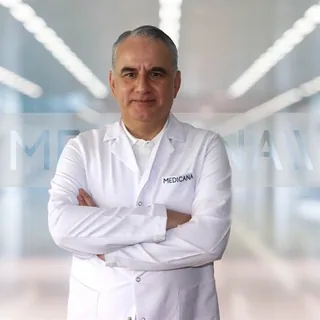
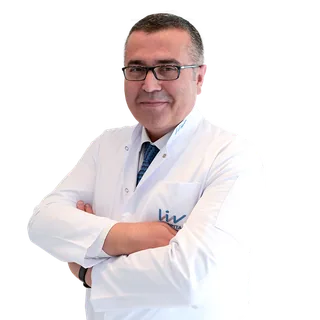
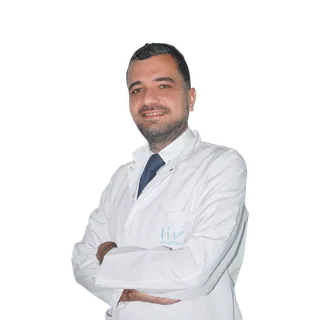
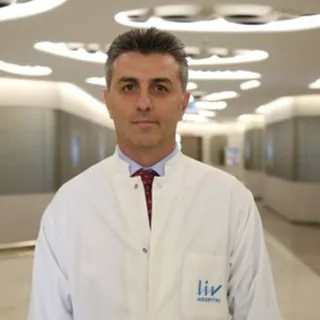
Tuğrul Mert Kıvanç
M.D. Specialist · Rheumatology
Bursa Romatem Physical Therapy and Rehabilitation Hospital · Osmangazi, Bursa
- Experience
- 26 years
- Experience
- 15 years
- Experience
- 21 years
- Experience
- 19 years
- Education
- Graduated from Hacettepe University Faculty of Medicine in 2007
- Languages
- English
- Education
- Graduated from Hacettepe University Faculty of Medicine in 2005
- Training
- Specialty training in FTR at Ankara Training and Research Hospital (2006-2011)
- Subspecialty training in Rheumatology at Ankara University Faculty of Medicine (2011-2014)
- Clinical interests
- Inflammatory arthritis, Rheumatoid arthritis, Spondyloarthritis, Crystal arthropathies, Connective tissue diseases, Osteoarthritis, and 4 more
- Memberships
- Member of Türkiye Romatizma Araştırma ve Savaş Derneği (TRASD)
- Member of American College of Rheumatology (ACR)
- Member of European Alliance of Associations for Rheumatology (EULAR)
- Experience
- 32 years
- Experience
- 18 years
- Education
- Graduated from Ankara University School of Medicine in 2002
- Training
- Specialty training in Internal Medicine at Ankara Numune Training and Research Hospital (2008)
- Subspecialty residency at Ankara Numune Training and Research Hospital (2012)
- Clinical interests
- Familial Mediterranean Fever (FMF), Psoriatic Arthritis, Gout
- Experience
- 26 years
- Education
- Graduated from Istanbul University Istanbul Faculty of Medicine in 2011
- Training
- Specialty training in Internal Medicine at Istanbul University Faculty of Medicine (2012-2017)
- Subspecialty training in Rheumatology at Istanbul University Istanbul Faculty of Medicine (2018-2022)
- Clinical interests
- Rheumatoid arthritis, Ankylosing spondylitis, Psoriatic arthritis, Systemic lupus erythematosus, Sjogren's syndrome, Connective tissue diseases, and 4 more
- Memberships
- Member of Turkish Rheumatology Association
- Member of TRD-Young Rheumatologists Group (Turkish Rheumatology Association)
- Member of Turkish Medical Association
- and 1 more
- Experience
- 24 years
- Education
- Graduated from Varna University Medical Faculty in 1996
- Training
- Specialty training in Internal Diseases at Ege University (1998–2002)
- Subspecialty training in Rheumatology at Ege University (2002–2005)
- Clinical interests
- Sarcoidosis, Rheumatoid arthritis, Systemic lupus erythematosus (SLE), Sjögren syndrome, Systemic sclerosis, Myositis, and 4 more
- Memberships
- Member of Turkish Society of Rheumatology
- Member of Turkish Medical Association
- Publications
- 52 international and 11 national articles
- Experience
- 37 years
- Experience
- 28 years
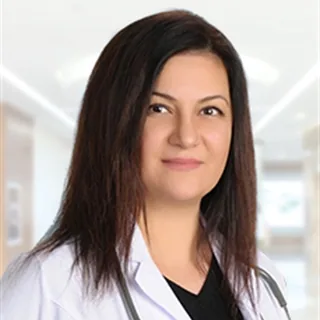
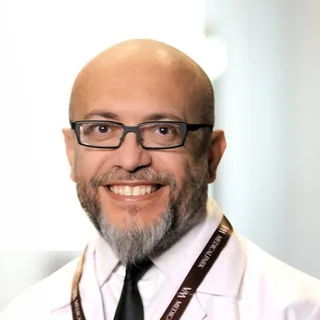
Derya Kaşkari
Assistant Professor · Rheumatology
Başkent University Istanbul Health Research and Application Center · Üsküdar, İstanbul
- Experience
- 12 years
- Education
- Graduated from Istanbul University Cerrahpaşa School of Medicine in 2000
- Training
- Specialty training in Pulmonary Medicine at School of Medicine, İzzet Baysal University, Abant (2001-2002)
- Specialty training in Internal Medicine at Kocaeli University School of Medicine (2002-2008)
- Fellowship in Rheumatology at Başkent University School of Medicine, Ankara (2012)
- Experience
- 39 years
- Education
- Graduated from GATA Gülhane Military Medical Faculty in 1987
- Clinical interests
- Behçet's disease
- Experience
- 15 years
- Experience
- 19 years
Esra Dilşat Bayrak
Doctor · Rheumatology
Acıbadem University Atakent Hospital · Küçükçekmece, İstanbul
- Experience
- 17 years
- Experience
- 22 years
- Experience
- 4 years
Where they practise
The hospitals and clinics where the most doctors on this list work.
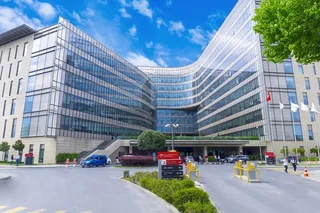
Koç University Hospital
Universitätsklinikum (Stiftung) · Zeytinburnu, İstanbul
2 doctors on this list
Foundation university hospital opened in 2014, part of VKV Health Institutions, with transplant, cancer, IVF and robotic surgery centers.
Koç University Hospital opened in 2014 as a foundation university hospital.
It belongs to VKV Health Institutions, the Vehbi Koç Foundation health group, which comprises 3 facilities.
- Founded
- 2014
- Doctors listed
- 221
- Group or operator
- Part of VKV Health Institutions (Vehbi Koç Foundation)
- Technology
- Da Vinci robotic surgery system, PET/CT, SPECT/CT, 3 Tesla MRI, Angiography, Endoscopic ultrasound (EUS)
- For international patients
- Transfer service
- Translation service
- Languages
- Albanian, Arabic, Bosnian, Bulgarian, English, French, German, Greek, Persian, Romanian, Russian, Serbian, Ukrainian, Uzbek
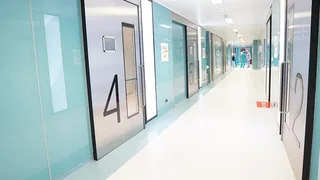
JCI-accredited Acıbadem Healthcare Group hospital in Adana, opened in 2009, with a pediatric bone marrow transplantation center, oncology and IVF.
Acıbadem Adana Hospital houses a Pediatric Bone Marrow Transplantation Center, which works alongside pediatric oncology, pediatric hematology and medical oncology units.
Cancer diagnosis and treatment are organised through collaboration between different specialties, and Radiation Oncology and Nuclear Medicine are also among the hospital's departments.
- Founded
- 2009
- Doctors listed
- 59
- Group or operator
- Acıbadem Healthcare Group
- Technology
- SPECT/CT, PET/CT, Single dose radiotherapy, 4D breast ultrasonography, Angiography, Ultrasonography, Panoramic dental X-ray
- For international patients
- Health tourism authorization certificate ST-0137
- Interpreter support (English and Arabic routinely, other languages arranged)
- Invitation letters for visa purposes
- Written treatment plan and cost estimate before travel
- and 1 more
- Languages
- Arabic, Bosnian, English, German
- Accreditations
- JCI
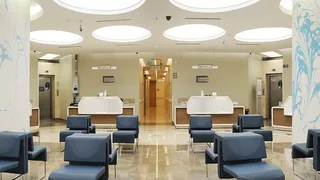
Acıbadem Bakırköy Hospital opened in 2000 with 102 beds, 6 operating rooms, neonatal intensive care, cardiology, an IVF center and a heliport.
According to the hospital, Acıbadem Bakırköy Hospital opened in 2000 as Acıbadem Healthcare Group's first hospital on the European side of the city.
It is a private hospital and part of the Acıbadem Healthcare Group.
- Founded
- 2000
- Doctors listed
- 74
- Capacity
- 102 beds
- 6 operating rooms
- Group or operator
- Acıbadem Healthcare Group
- Technology
- 3 Tesla MRI, 3D tomosynthesis mammography, Angiography, Endoscopic ultrasound (EUS), Bone densitometry, Ultrasonography
- For international patients
- Transfer service
- Translation service
- Accommodation consultancy
- Travel insurance consultancy
- and 2 more
- Languages
- Albanian, Arabic, Bosnian, Bulgarian, English, French, Georgian, German, Hindi, Italian, Persian, Russian, Serbian, Somali, Spanish, Ukrainian, Urdu, Uzbek
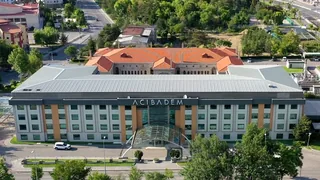
Acıbadem Healthcare Group hospital in Kayseri: 104 beds, 6 operating rooms, cancer units, IVF center and health tourism authorization.
The hospital states that the Acıbadem group restored a historical hospital building that was taken into service by Mustafa Kemal Atatürk in 1924.
Today the campus has smart building technology and consists of two separate structures: the historical building and a main building.
- Founded
- 2009
- Doctors listed
- 57
- Capacity
- 104 beds
- 6 operating rooms
- Group or operator
- Part of Acıbadem Healthcare Group
- For international patients
- Holds Health Tourism Authorization Certificate (ST-0102)
- Reports and imaging reviewed before travel; written plan and cost estimate; interpreter support (English routinely, other languages arranged)
- Coordinators arrange transfers for planned visits
- Languages
- Arabic, Dutch, English, French

JCI-accredited university hospital in İstanbul: 262 beds, transplant and oncology centers, robotic surgery and a Health Point international unit.
Acıbadem Atakent Hospital holds the JCI Academic Medical Center Hospital accreditation.
The hospital states that it serves as the university hospital of Acıbadem Mehmet Ali Aydınlar University.
- Founded
- 2013
- Doctors listed
- 57
- Capacity
- 262 beds
- 12 operating rooms
- Group or operator
- Part of Acıbadem Healthcare Group
- Technology
- Da Vinci robotic surgery system, Radiation oncology: TrueBeam, VitalBeam and Radixact, PET-CT and SPECT-CT for diagnosis and treatment planning, 3 Tesla and 1,5 Tesla MRI, Low-dose CT, 3D tomosynthesis digital mammography, Digital angiography, Endoscopic ultrasound (EUS)
- For international patients
- Holds a health tourism authorization certificate (no. ST-0562)
- Health Point unit serving international patients in 16 languages
- Transfer service
- Translation service
- Awards
- Baby-Friendly Hospital title
- Neonatal Intensive Care Friendly Hospital title
- Languages
- Albanian, Arabic, Bosnian, Bulgarian, English, French, Georgian, Romanian, Russian, Serbian
- Accreditations
- JCI
Questions about this list
How many rheumatologists in Türkiye are listed?
37 rheumatologists in Türkiye are listed on Medicaltour, practising at 36 private hospitals and clinics that hold the Ministry of Health's health-tourism authorization.
Who are the most experienced rheumatologists in Türkiye?
By the years of experience reported on HealthTürkiye: Salih Pay (39 years), Yüksel Karakoç (37 years) and Hamide Kart Köseoğlu (37 years).
Where do rheumatologists in Türkiye practise?
They practise at 36 private hospitals and clinics that hold the Ministry of Health's health-tourism authorization. The most doctors on this list work at Koç University Hospital (2), Acıbadem Adana Hospital (1) and Acıbadem Bakırköy Hospital (1).
How many rheumatologists in Türkiye are professors?
Of the 37 listed, 13 hold the title of professor and 3 are associate professors, as registered on HealthTürkiye.
Which languages do rheumatologists in Türkiye speak?
Languages stated for individual doctors on their clinics' websites: English (2).
Which cities have the most rheumatologists in Türkiye?
By the city on the Ministry of Health's list: Istanbul (16), Ankara (4), Bursa (3), Gaziantep (3), Samsun (3), Adana (2).
About this specialty
In EnglishRheumatology is the medical field that deals with arthritis and related conditions, from testing and diagnosis to long-term care.
What this specialty covers
A rheumatologist is a doctor who focuses on arthritis, covering testing, diagnosis and ongoing care. Arthritis means inflammation or wear of one or more joints, and a joint is the point where 2 bones meet. Over 100 distinct types exist.1,2
Osteoarthritis is the most frequent type; it is not driven by inflammation and becomes more common with age. In autoimmune disease, the immune system wrongly targets healthy tissue, which can inflame and harm joints. Rheumatoid arthritis, the most common autoimmune form, is a long-term illness that inflames the body and often shows up as joint pain. Gout, a form of crystal arthritis, is linked to a build-up of uric acid. Ankylosing spondylitis affects the spine and can make it stiff and hard to bend. Some forms can affect the eyes or skin, and rheumatoid arthritis can involve the heart, lungs or nervous system.1,2,3
Who it is usually for
Arthritis can appear at any age and in both men and women. The chance of many types rises with age, and a relative with the condition may make some types more likely. A past joint injury, obesity or lupus may also add to the risk. For rheumatoid arthritis, smoking, obesity and air pollution are listed as risk factors, and women are affected two to three times as often as men. It is often diagnosed between 40 and 60, while juvenile idiopathic arthritis affects children under 16. A referral to a rheumatologist is usually considered when a doctor suspects rheumatoid arthritis or gout.1,2,3,4
What a visit usually involves
A visit usually starts with a physical examination and questions about your health history. The doctor may look for joints that feel warm, red or tender, and early rheumatoid arthritis often appears on both sides of the body in a matching pattern. Blood tests and joint x-rays are common, partly to rule out infection or other causes, and an ultrasound scan may also be used. Sometimes a thin needle draws fluid from a joint so a lab can look for inflammation, crystals or infection, which can help confirm gout.2,3,4
Treatment and follow-up
The cause often cannot be cured, so a key aim is to stop joints from being damaged further. Acting early can ease symptoms, slow the disease and help prevent disability, and rheumatoid arthritis may sometimes go into remission. For osteoarthritis and other joint swelling, lifestyle changes come first, and exercise can ease stiffness, pain and tiredness while building muscle and bone strength.2,3
Corticosteroids lower inflammation and can be given as joint injections or by mouth. Autoimmune arthritis may be treated with DMARDs, biologics or kinase inhibitors, and DMARDs are also used in SLE. For gout, medicines that bring down uric acid may be prescribed. Splints or orthotics can support joints, and joint replacement may be considered when first treatments fail and damage is severe. Physiotherapy builds strength and mobility, occupational therapy helps with daily tasks, and rheumatoid arthritis care often joins several health workers in a plan shaped around the person.2,3,4
Risks to discuss with your doctor
Every medicine carries some risk, and arthritis medicines, even those bought without a prescription, call for close follow-up by a doctor. Long-term NSAID use can lead to stroke, heart attack, stomach ulcers, digestive bleeding or kidney damage. Taking more acetaminophen than recommended can harm the liver.2
Aggressive forms of some conditions can seriously limit movement and spread to other organs or systems. Without treatment, rheumatoid arthritis can badly damage the joints and nearby tissue. Daily activities may become difficult, and people with rheumatoid arthritis often feel tired and unwell and may have depressive symptoms.2,3
Questions to ask a clinic
- How will the type of arthritis and its effect on me shape the treatment plan?4
- Could some of my symptoms point to another illness, and how would you check?1
- What should I do if my symptoms flare up for several days?4
- Should I bring a full list of my medicines, including vitamins and supplements?2
- Is my family history of arthritis relevant even if my joints do not hurt?2
- Is this one of the few arthritis-related disorders that may be cured with proper treatment?2
Other specialties
- Dentists in Türkiye (4.241)
- Internal medicine specialists in Türkiye (1.314)
- Gynecologists and obstetricians in Türkiye (1.170)
- Pediatricians in Türkiye (914)
- ENT specialists in Türkiye (892)
- Ophthalmologists in Türkiye (821)
- General surgeons in Türkiye (806)
- Plastic surgeons in Türkiye (767)
- Orthopedic surgeons in Türkiye (699)
- Anesthesiologists in Türkiye (674)
- Oral and maxillofacial surgeons in Türkiye (605)
- Radiologists in Türkiye (528)
Specialty is the department each doctor is registered in on HealthTürkiye, the official health-tourism portal.