Ophthalmologists in Türkiye
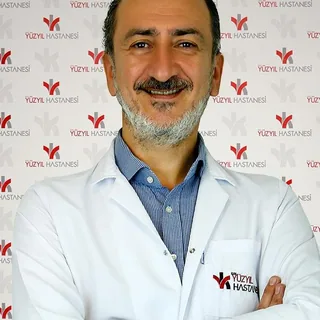
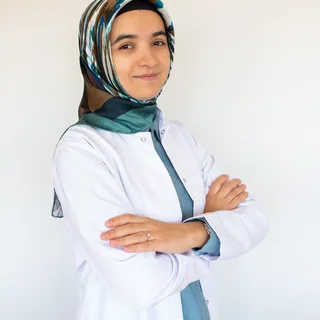
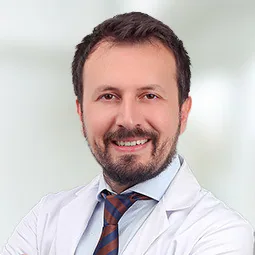
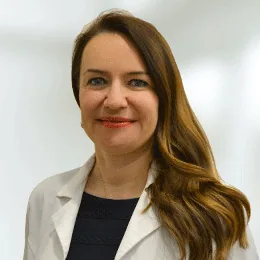
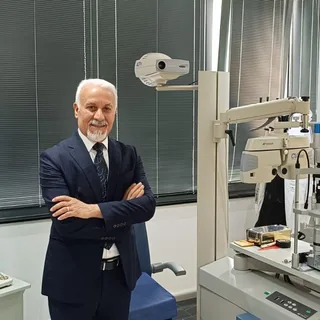
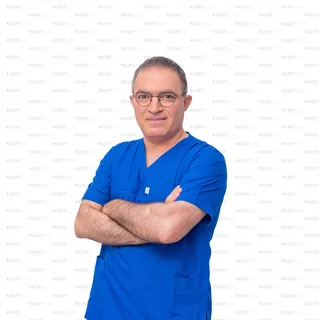
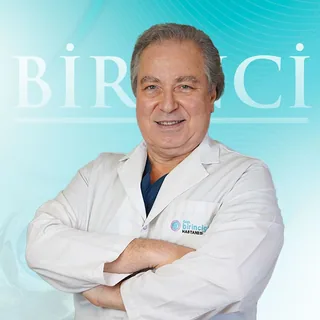
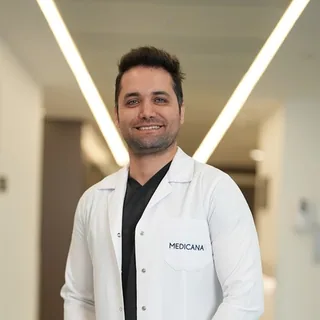
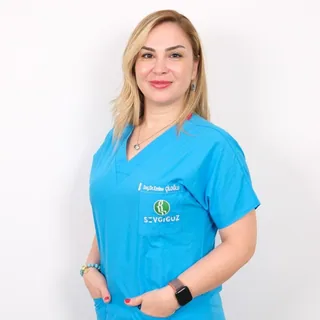
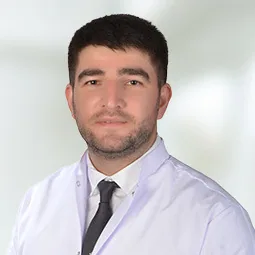
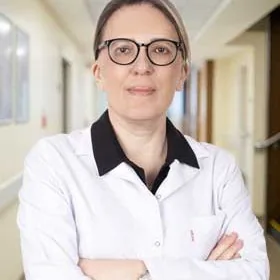
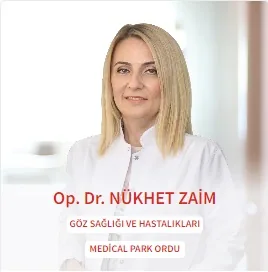
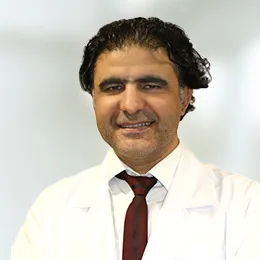
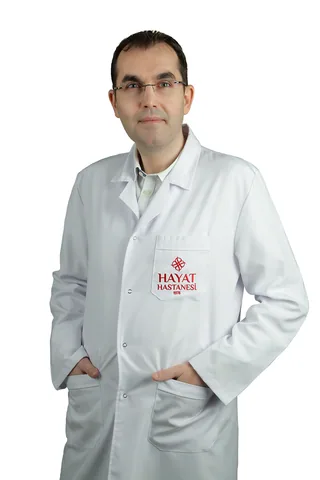
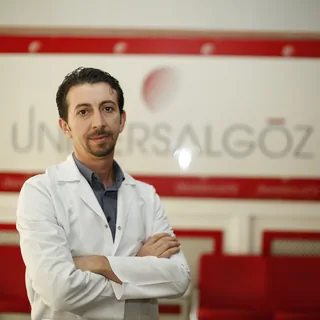
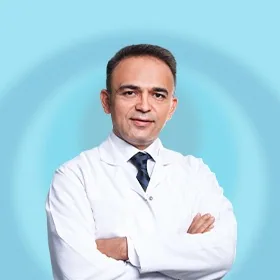
821 ophthalmologists in Türkiye are listed on Medicaltour, practising at 335 private hospitals and clinics that hold the Ministry of Health's health-tourism authorization.
128 hold the title of professor. 71 are associate professors. 452 report 20 or more years of experience. 25 have education or training abroad stated on their clinic's website. Languages stated: English (47), German (5), Arabic (4), French (3), Russian (3). By city: Istanbul (349), Ankara (87), Izmir (87), Kocaeli (30), Antalya (29), Bursa (23).
- Experience
- 34 years
- Experience
- 22 years
- Education
- Graduated from Cerrahpaşa Faculty of Medicine in 1994
- Clinical interests
- Strabismus, Eyelid aesthetics, Excimer laser operations, Adult and pediatric cataracts, Glaucoma treatment, Macular degeneration treatment
- Treatments
- Dacryocystorhinostomy, Ectropium Surgeries, Excimer Laser, Laser and Intraocular Lens, Lidstraffung, Pterygium surgery, and 2 more
- Experience
- 26 years
- Experience
- 12 years
- Experience
- 7 years
- Education
- Pamukkale University Faculty of Medicine
- Experience
- 36 years
- Clinical interests
- Cataract, Laser eye surgery (LASIK, PRK, SMILE), Keratoconus (cross linking, corneal ring), Cornea diseases, Cornea transplant, Glaucoma
- Experience
- 6 years
- Experience
- 22 years
- Clinical interests
- Retinal diseases and surgery, Vitrectomy
- Treatments
- Retinal Diseases and Surgeries, Vitrectomy
Abdurrahman Hüseyinoğlu
Surgeon · Ophthalmology
Dr. Abdurrahman Hüseyinoğlu – Ophthalmology · Fatih, İstanbul
- Experience
- 27 years
- Education
- Medical degree (general medicine), Ankara University
- Training
- Specialty training in ophthalmology and eye surgery at Anadolu University, with a PhD in ophthalmology
- Clinical interests
- Laser vision correction, cataract, glaucoma, strabismus, corneal surgery, retinopathy, artificial eye fitting, periocular aesthetics
- Treatments
- Correction of Orbital Dystopia, Excimer Laser, Laser and Intraocular Lens, Lidstraffung, Retinal Diseases and Surgeries
- Languages
- Arabic
- Experience
- 37 years
- Education
- Cerrahpaşa Faculty of Medicine (1983)
- Training
- Ophthalmology residency at Trakya University Faculty of Medicine (1989)
- Clinical interests
- Strabismus surgery
- Experience
- 15 years
- Experience
- 20 years
- Education
- Medical education at Çukurova University Faculty of Medicine, 2000–2006
- Memberships
- Turkish Ophthalmology Association; European Vitreoretinal Society (EVRS); European Society of Retina Specialists (EURETINA)
- Experience
- 22 years
- Experience
- 7 years
- Experience
- 35 years
Jülide Canan Umurhan Akkan
Associate Professor · Ophthalmology
Istanbul Bezmialem Vakıf University Hospital · Fatih, İstanbul
- Experience
- 22 years
- Experience
- 35 years
- Experience
- 26 years
- Experience
- 31 years
- Experience
- 31 years
- Experience
- 15 years
- Experience
- 21 years
- Experience
- 7 years
- Experience
- 28 years
- Education
- Graduated from Gülhane Military Medical Academy in 1997
- Clinical interests
- Cataract surgery, Refractive surgery, Vitreoretinal surgery (vitrectomy), Oculoplastic surgery, Strabismus surgery, Glaucoma surgery
- Memberships
- Member of Turkish Ophthalmology Association
- Member of American Cataract and Refractive Surgery Association
- Member of European Cataract and Refractive Surgery Association
- and 1 more
- Education
- Graduated from Abant İzzet Baysal University Faculty of Medicine
- Clinical interests
- Strabismus, Cataract, Refractive surgery, Oculoplastic surgery
- Experience
- 11 years
- Experience
- 13 years
- Clinical interests
- Excimer laser, Retinal diseases and surgeries
- Treatments
- Electrophysiology, Excimer Laser, Keratoplasty, Laser and Intraocular Lens, LASIK-Augenlaser, Lidstraffung, and 2 more







Where they practise
The hospitals and clinics where the most doctors on this list work.
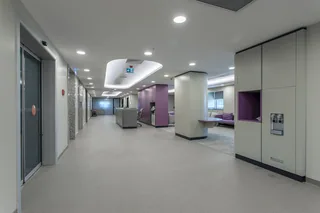
Ophthalmology hospital in Ankara founded in 2009, part of Dünya Göz Healthcare Group, with 28 doctors, OCT systems and ISO 9001 certification.
Opened in 2009, this Ankara hospital belongs to the Dünya Göz Healthcare Group, and ophthalmology is its listed department.
The group itself dates back to 1996 and lists 18 facilities; these figures describe the wider network rather than this branch alone.
- Founded
- 2009
- Doctors listed
- 28
- Group or operator
- Part of Dünya Göz Healthcare Group
- Technology
- Optical coherence tomography (OCT) systems, ECG
- For international patients
- Transfer service
- Translation service
- Languages
- Arabic, English, German, Russian
- Accreditations
- ISO 10002, ISO 9001

Eye hospital of the Dünya Göz Healthcare Group, founded 2007: iLASIK, excimer laser, keratoplasty, eyelid surgery and retina surgery.
Prof. Adem Anıl Kubaloğlu works at the hospital as an ophthalmologist, and keratoplasty is among the treatments listed for him.
- Founded
- 2007
- Doctors listed
- 25
- Group or operator
- Part of Dünya Göz Healthcare Group
- Technology
- ECG, Optical coherence tomography (OCT) systems
- For international patients
- Translation service
- Transfer service
- Accommodation consultancy service
- Languages
- Albanian, Arabic, Bulgarian, English, French, German, Romanian, Russian
- Accreditations
- ISO 10002, ISO 9001

Göz Nurunu Koruma Vakfı Bayrampaşa Eye Hospital
Krankenhaus · Bayrampaşa, İstanbul
22 doctors on this list
Foundation eye hospital in Bayrampaşa, İstanbul, since 1984: 24/7 emergency eye care, cataract, refractive, retina, glaucoma and oculoplastic surgery.
The Göz Nurunu Koruma Vakfı foundation runs this Bayrampaşa eye hospital, which the official record dates to 1984.
The hospital describes itself as a fully equipped eye hospital providing uninterrupted 24/7 emergency eye care.
- Founded
- 1984
- Doctors listed
- 22
- Capacity
- 4 operating rooms
- Group or operator
- Part of the Göz Vakfı network together with İstanbul İdealtepe Eye Center (founded 1997) and Bursa Nilüfer Eye Center (founded 2024)
- Technology
- Optical coherence tomography (OCT), ECG, OCT angiography, Fluorescein angiography (FFA), Argon laser, Synoptophore, Pachymetry
- For international patients
- Translation service
- Transfer service
- Accommodation consultancy
- Languages
- Albanian, Arabic, Bosnian, Bulgarian, English, Russian, Serbian

JCI-accredited eye hospital of Dünya Göz Healthcare Group, founded in 2004: excimer laser, iLasik, keratoplasty, eyelid surgery, 21 doctors.
Dünyagöz Hospital (Ataköy) is one branch of Dünya Göz Healthcare Group, a healthcare group founded in 1996 that now has 18 facilities in 11 cities.
The Ataköy branch was founded in 2004 and is privately owned.
- Founded
- 2004
- Doctors listed
- 21
- Group or operator
- Part of Dünya Göz Healthcare Group
- For international patients
- Transfer service
- Translation service
- Languages
- Arabic, Bulgarian, English, French, German, Russian
- Accreditations
- ISO 10002, ISO 9001, JCI

Eye hospital in İzmir, opened in 2021 within Dünya Göz Healthcare Group. Laser, lens, retina and eyelid surgery; ISO 9001 certified.
Dünyagöz Hospital İzmir opened in 2021 as a private, ophthalmology-focused hospital of the Dünya Göz Healthcare Group.
The group itself was founded in 1996 and, according to its official health tourism record, runs 18 hospitals and centers across 11 cities.
- Founded
- 2021
- Doctors listed
- 19
- Group or operator
- Part of Dünya Göz Healthcare Group
- Technology
- Optical coherence tomography (OCT) systems, ECG
- For international patients
- Transfer service
- Professional interpreters for international patients
- Accommodation in hotel/apartments near the clinic, billed daily
- Languages
- Bulgarian, English, German
- Accreditations
- ISO 10002, ISO 9001
Questions about this list
How many ophthalmologists in Türkiye are listed?
821 ophthalmologists in Türkiye are listed on Medicaltour, practising at 335 private hospitals and clinics that hold the Ministry of Health's health-tourism authorization.
Who are the most experienced ophthalmologists in Türkiye?
By the years of experience reported on HealthTürkiye: Yaşar Sait Erda (55 years), Mehmet Akif Özsoy (53 years) and Ahmet Akkaşoğlu (52 years).
Where do ophthalmologists in Türkiye practise?
They practise at 335 private hospitals and clinics that hold the Ministry of Health's health-tourism authorization. The most doctors on this list work at Dünyagöz Hospital (Ankara) (28), Dünyagöz Etiler Hospital (25) and Göz Nurunu Koruma Vakfı Bayrampaşa Eye Hospital (22).
How many ophthalmologists in Türkiye are professors?
Of the 821 listed, 128 hold the title of professor and 71 are associate professors, as registered on HealthTürkiye.
How many ophthalmologists in Türkiye trained abroad?
25 have education or training abroad stated on their clinic's website. Countries stated: United States (14), United Kingdom (5), Canada (2), Germany (2), Spain (2).
Which languages do ophthalmologists in Türkiye speak?
Languages stated for individual doctors on their clinics' websites: English (47), German (5), Arabic (4), French (3), Russian (3).
Which cities have the most ophthalmologists in Türkiye?
By the city on the Ministry of Health's list: Istanbul (349), Ankara (87), Izmir (87), Kocaeli (30), Antalya (29), Bursa (23).
About this specialty
In EnglishOphthalmology deals with conditions of the eyes and sight, from common focusing problems to diseases that can lead to blindness.
What this specialty covers
Vision impairment means that an eye condition is making it harder to see clearly. Worldwide, at least 2.2 billion people live with some loss of near or distance vision. Presbyopia accounts for most poor near vision and affects around 826 million people. Refractive errors are the most frequent kind of problem that blurs sight. Other major causes of sight loss include cataract, diabetic retinopathy, glaucoma and age-related macular degeneration.1,2
A cataract forms when the clear lens at the front of the eye turns cloudy. Glaucoma is an optic nerve disorder that usually develops as fluid pressure inside the eye slowly builds up. Retinal disorders affect the layer of nerve tissue lining the back of the eye. Macular degeneration damages sharp, central vision, and diabetes-related eye problems can cause sight loss and blindness.2
The specialty also treats conditions that cause discomfort rather than sight loss, such as dry eye, blepharitis and conjunctivitis, an infection also called pink eye. These are among the most frequent reasons people visit eye care services.1,2
Who it is usually for
Sight loss can happen at any age, though most people with vision impairment or blindness are over 50. Over a long enough life, nearly everyone will develop at least one eye condition that needs care. The chance of some eye diseases rises with age. It may also be higher with obesity, a family history of eye disease, high blood pressure or diabetes-related eye problems. Uncorrected refractive errors are a major cause of poor vision in children and adults.1,2
What a visit usually involves
An eye problem can be present even when the eyes seem fine, so routine checks matter. A comprehensive dilated eye exam can help find disease early. Care ranges from prevention and health promotion to treatment and rehabilitation.1,2
Treatment and follow-up
Depending on the problem, treatment can involve new glasses or contact lenses, medicines, prescription drops or ointments, laser treatment or surgery. Brighter lighting or magnifying lenses can help with reading and daily tasks. For conditions that mainly cause discomfort, the aim is to ease symptoms and keep the disease from getting worse.1,2
When sight loss cannot be reversed, vision rehabilitation helps people make the most of their abilities, including after glaucoma, diabetic retinopathy, injury or age-related macular degeneration. Shielding the eyes from the sun, wearing protective eyewear for tools or some sports, and not smoking also help protect vision.1,2
Risks to discuss with your doctor
Some eye diseases cause no symptoms but can still lead to lasting sight loss. Cataracts become more common with age and may reduce vision. Pink eye can make the eyes red and itchy, and some forms spread easily. In some conditions, treatment may slow sight loss without restoring vision.2
Symptoms to report promptly include a sudden change in vision, flashes of light, eye pain, double vision, dim vision, swelling or fluid coming from the eye.2
Severe permanent vision impairment that starts early in childhood can delay a child's development. Adults with poor vision may face fewer job opportunities and more depression and anxiety, while older adults may become isolated or fall more often. Timely access to good eye care can lessen many of these effects.1
Questions to ask a clinic
- Which treatment options would you consider for my eye condition, and why?2
- Could the proposed treatment slow or prevent further vision loss in my case?2
- Is treatment likely to restore my vision, or mainly slow its loss?2
- Should I share my family history of eye disease before the examination?2
- Is vision rehabilitation available if some sight loss cannot be reversed?1
Other specialties
- Dentists in Türkiye (4.241)
- Internal medicine specialists in Türkiye (1.314)
- Gynecologists and obstetricians in Türkiye (1.170)
- Pediatricians in Türkiye (914)
- ENT specialists in Türkiye (892)
- General surgeons in Türkiye (806)
- Plastic surgeons in Türkiye (767)
- Orthopedic surgeons in Türkiye (699)
- Anesthesiologists in Türkiye (674)
- Oral and maxillofacial surgeons in Türkiye (605)
- Radiologists in Türkiye (528)
- Cardiologists in Türkiye (523)
Specialty is the department each doctor is registered in on HealthTürkiye, the official health-tourism portal.