Neurosurgeons in Türkiye
410 neurosurgeons in Türkiye are listed on Medicaltour, practising at 264 private hospitals and clinics that hold the Ministry of Health's health-tourism authorization.
107 hold the title of professor. 49 are associate professors. 194 report 20 or more years of experience. 27 have education or training abroad stated on their clinic's website. Languages stated: English (33), German (6), Arabic (1), Spanish (1), Persian (1). By city: Istanbul (187), Ankara (31), Izmir (27), Antalya (17), Kocaeli (15), Gaziantep (13).
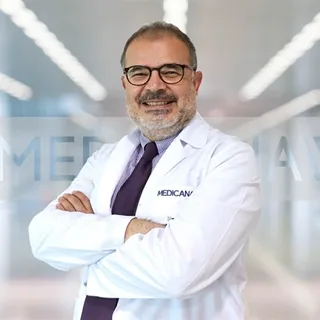
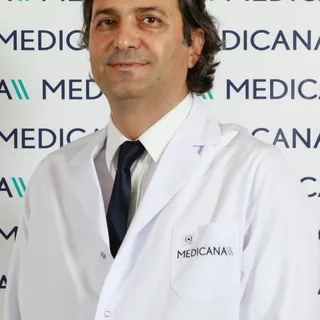
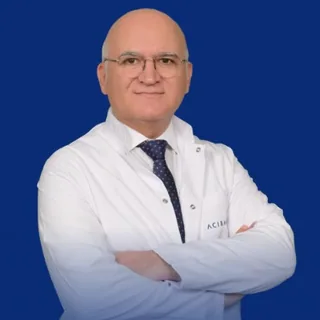
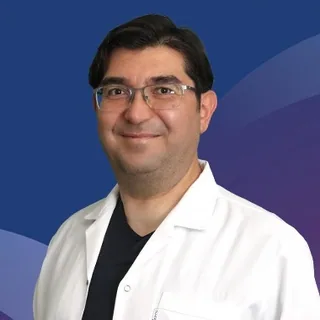
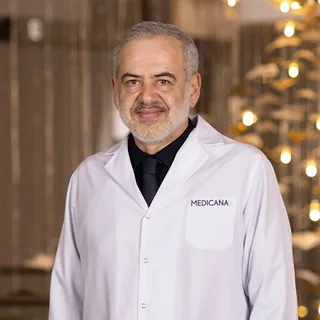
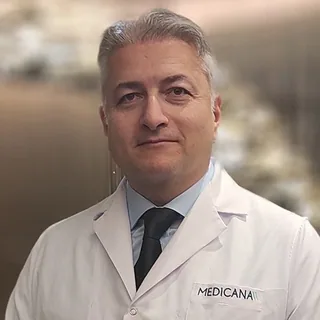
Sait Şirin
Professor · Brain and Neurosurgery
Medicana International Ankara Hospital · Çankaya, Ankara
- Experience
- 35 years
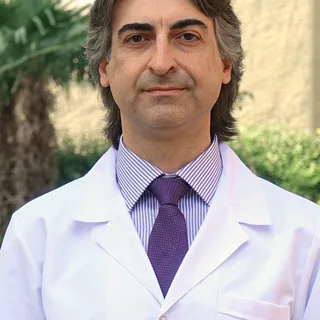
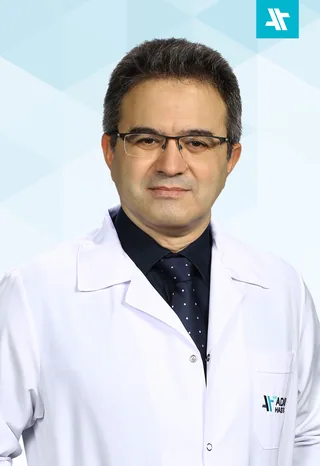
Halil Can
Associate Professor · Brain and Neurosurgery
Istanbul Atlas University Faculty of Medicine Hospital · Bağcılar, İstanbul
- Experience
- 29 years
- Experience
- 13 years
- Training
- Neurosurgery residency, Bülent Ecevit University (2014-2019)
- Clinical interests
- Microsurgical cervical disc herniation surgery
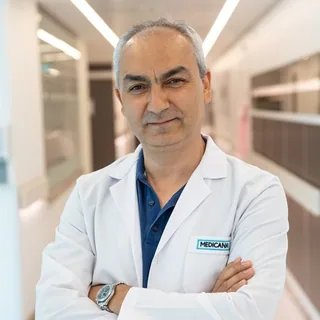
Mehmet Şenoğlu
Professor · Brain and Neurosurgery
Medicana International Izmir Hospital · Konak, İzmir
- Experience
- 29 years
- Experience
- 28 years
- Education
- Dicle University Faculty of Medicine (1988)
- Training
- Neurosurgery residency at SSK Göztepe Training and Research Hospital (1992-1998)
- Education
- Graduated from GATA Faculty of Medicine in 1985
- Training
- Specialty training at GATA Haydarpasa Training Hospital (1988-1994)
- Internship in neurology at University Hospital Pittsburgh and Children's Hospital of Pittsburgh, Pittsburgh, USA (1996-1997)
- Clinical interests
- Brain tumor surgery, Orbital neoplasm, Spinal cord tumor, Pediatric brain surgery, Herniated disc, Neck hernia
- Memberships
- Member of Turkish Neurosurgery Association
- Member of Europe Pediatric Neurosurgery Society
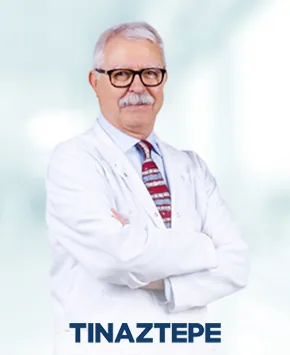
Mehmet Selçuki
Professor · Brain and Neurosurgery
Izmir Tınaztepe University Galen Hospital · Bayraklı, İzmir
Bahattin Tanrıkulu
Associate Professor · Brain and Neurosurgery
Acıbadem Altunizade Hospital · Üsküdar, İstanbul
- Experience
- 30 years
- Education
- Graduated from Istanbul University Cerrahpasa Faculty of Medicine in 1996
- Training
- Neurosurgery specialty training at Istanbul Okmeydanı Training and Research Hospital
- Clinical interests
- Spinal surgery, Congenital spine and spinal cord diseases, Brain tumors, Brain hemorrhages, Vascular diseases of the brain (aneurysm, AVM), Hydrocephalus, and 1 more
- Languages
- English
Aram Bakırcı
M.D. Specialist · Brain and Neurosurgery
Yedikule Surp Pırgiç Armenian Hospital · Zeytinburnu, İstanbul
- Experience
- 24 years
- Education
- Graduated from Marmara University Faculty of Medicine
- Training
- Specialty training in Brain and Nerve Surgery at Haydarpaşa Numune Hospital
- Clinical interests
- Stereotactic and Functional Neurosurgery, Minimally Invasive Spinal Surgery
- Memberships
- Member of Turkish Medical Association
- Member of Turkish Neurosurgery Association
Bülent Gülensoy
Associate Professor · Brain and Neurosurgery
Ankara Uluslararası Hospital · Keçiören, Ankara
- Experience
- 27 years
- Education
- Graduated from Uludağ University Faculty of Medicine in 1999
- Training
- Specialty training in Neurosurgery at University of Health Sciences Ankara Training and Research Center (2007-2012)
- Memberships
- Member of Turkish Neurosurgical Society
- Experience
- 38 years
- Experience
- 38 years
- Education
- Istanbul University Çapa Faculty of Medicine, 1980-1986
- Training
- Neurosurgery specialty training at Istanbul Göztepe Training and Research Hospital
- Education
- Graduated from Marmara University Faculty of Medicine in 2007
- Training
- Specialty training in Neurosurgery at Fırat University (2009-2014)
- International experience in surgery for movement disorders and epilepsy at Harvard Medical School, United States (2014-2015)
- Clinical interests
- Since 2015, mainly functional neurosurgery (brain pacemaker/DBS and epilepsy pacemaker/VNS operations)
- Memberships
- Member of European Association of Neurosurgical Societies (EANS)
- Member of Turkish Neurosurgical Society
- Member of Neuromodulation Association
- Publications
- More than 80 international scientific publications in neuromodulation
- Experience
- 42 years
- Education
- GATA Faculty of Medicine, Ankara
- Training
- Neurosurgery residency at GATA, Ankara
- Experience
- 16 years
- Experience
- 3 years
Salim Şentürk
Professor · Brain and Neurosurgery
Prof. Dr. Salim Şentürk – Neurosurgery · Ataşehir, İstanbul
- Experience
- 21 years
- Education
- Graduated from Karadeniz Technical University Faculty of Medicine in 2005
- Training
- Specialty training in Neurosurgery at Ministry of Health Atatürk Education and Research Hospital, Ankara (2013)
- Clinical interests
- Lumbar hernia, Neck hernia, Fully closed (endoscopic) spine surgery, Scoliosis, Kyphosis, Spine tumors, and 4 more
- Memberships
- Member of Turkish Neurosurgical Society
- Member of Turkish Spine Society
- Member of Middle East Spine Society (MESS)
- Publications
- 47 international and 15 national peer-reviewed articles
- Experience
- 31 years
- Clinical interests
- Herniated hernia, Neck hernia, Spine and spinal cord tumors, Brain tumors, Cerebrovascular diseases, Head trauma and spinal cord surgery
- Languages
- English
Murad Asiltürk
Associate Professor · Brain and Neurosurgery
Medicana Ataköy Hospital · Bakırköy, İstanbul
- Experience
- 34 years
- Experience
- 36 years
- Experience
- 37 years
- Education
- Akdeniz University, Faculty of Medicine
- Experience
- 53 years
Bülent Tucer
Associate Professor · Brain and Neurosurgery
Acıbadem Kayseri Hospital · Melikgazi, Kayseri
- Clinical interests
- Spinal injection, rhizotomy, spinal and spinal cord tumors, meningioma
- Memberships
- Turkish Neurosurgical Society
Tolga Turan Dündar
Associate Professor · Brain and Neurosurgery
Medicana Zincirlikuyu Hospital · Şişli, İstanbul
- Experience
- 23 years
- Experience
- 28 years
Where they practise
The hospitals and clinics where the most doctors on this list work.
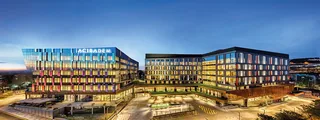
JCI-accredited Acıbadem Healthcare Group hospital opened in 2017, with bone marrow transplant, oncology, Gamma Knife Icon and Health Point services.
Acıbadem Altunizade Hospital opened in March 2017 as the 21st hospital of the Acıbadem Healthcare Group.
The building has been awarded a LEED Gold certificate as a green building.
- Founded
- 2017
- Doctors listed
- 199
- Capacity
- 350 beds
- Group or operator
- Acıbadem Healthcare Group
- Technology
- Triple hybrid operating theatre system with 3 Tesla MRI, 128-slice sliding CT and robotic-arm angiography, Intraoperative 3 Tesla MRI, Da Vinci robotic surgery system, Tomotherapy HDA, TrueBeam linear accelerator, VitalBeam and Gamma Knife Icon in the oncology unit, PET/CT, SPECT/CT, and 3 more
- For international patients
- Holds health tourism authorization certificate no. ST-0413
- International patient unit 'Health Point' serving in 16 languages
- Awards
- LEED Gold certified green building
- Languages
- Albanian, Arabic, Bosnian, Bulgarian, English, French, Georgian, Persian, Romanian, Russian, Serbian, Somali, Ukrainian, Uzbek
- Accreditations
- JCI
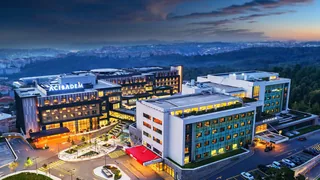
JCI-accredited Acıbadem Maslak Hospital, founded 2009: 231 beds, 75 chemotherapy rooms, robotic surgery, IVF center, NICU and Health Point Center.
Acıbadem Maslak Hospital was founded in 2009 within Acıbadem Healthcare Group, and the hospital states that a new building of 60 thousand m2 was added in an enlargement project finalized in 2018.
It lists 231 patient beds, 51 intensive care beds, 20 general operating rooms and 3 IVF operating rooms.
- Founded
- 2009
- Doctors listed
- 263
- Capacity
- 231 patient beds
- 20 general operating rooms and 3 IVF operating rooms
- Group or operator
- Part of Acıbadem Healthcare Group
- Technology
- TrueBeam, da Vinci, EOS, whole-body MRI, Trilogy, intraoperative radiotherapy, PET-CT, MR Linac and Rapid Arc, Force CT, SPECT-CT, 3 Tesla MRI, Intraoperative 3 Tesla MRI, Single-dose radiotherapy, 3D tomosynthesis mammography, and 2 more
- For international patients
- Health tourism authorization certificate number ST-0292
- Health Point Center for international patients follows their diagnostic and treatment processes
- Languages
- Albanian, Arabic, Bulgarian, English, French, Georgian, Russian, Serbian
- Accreditations
- ISO 9001, JCI
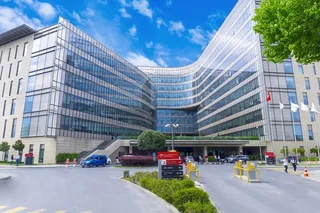
Koç University Hospital
Universitätsklinikum (Stiftung) · Zeytinburnu, İstanbul
8 doctors on this list
Foundation university hospital opened in 2014, part of VKV Health Institutions, with transplant, cancer, IVF and robotic surgery centers.
Koç University Hospital opened in 2014 as a foundation university hospital.
It belongs to VKV Health Institutions, the Vehbi Koç Foundation health group, which comprises 3 facilities.
- Founded
- 2014
- Doctors listed
- 221
- Group or operator
- Part of VKV Health Institutions (Vehbi Koç Foundation)
- Technology
- Da Vinci robotic surgery system, PET/CT, SPECT/CT, 3 Tesla MRI, Angiography, Endoscopic ultrasound (EUS)
- For international patients
- Transfer service
- Translation service
- Languages
- Albanian, Arabic, Bosnian, Bulgarian, English, French, German, Greek, Persian, Romanian, Russian, Serbian, Ukrainian, Uzbek
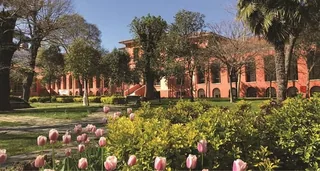
Istanbul Bezmialem Vakıf University Hospital
Universitätsklinikum (Stiftung) · Fatih, İstanbul
5 doctors on this list
Foundation university hospital in Fatih, İstanbul with oncology, IVF, organ transplant, Tomotherapy HDA, PET/CT and an International Clinic.
Bezmialem Vakif University states that it has provided healthcare services since 1845.
The official record lists the present hospital as a foundation university hospital with a foundation year of 2010 and 1721 personnel.
- Founded
- 2010
- Doctors listed
- 66
- Technology
- 3 Tesla MRI, Force CT, SPECT/CT, PET/CT, Tomotherapy HDA, Single-dose radiotherapy, 3D tomosynthesis mammography, 4D breast ultrasonography, and 2 more
- For international patients
- International Clinic accepting patients from several countries
- Translation service
- Transfer service
- Awards
- 'Baby Friendly Hospital' title (WHO and UNICEF programme)
- 'Baby Friendly Neonatal Intensive Care' title
- Languages
- Albanian, Arabic, Bosnian, Bulgarian, English, French, German, Russian, Serbian, Spanish
- Accreditations
- ISO 9001
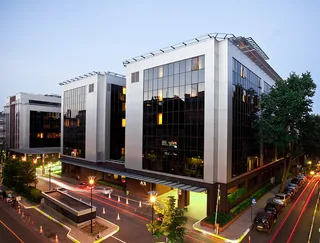
JCI-accredited Nişantaşı hospital in VKV Health Institutions: oncology, IVF, obesity surgery, Da Vinci robotic surgery and international services.
The hospital is part of VKV Health Institutions, the group that also includes Koç University Hospital and American Medical Center.
The official record lists 1995 as its foundation year, 185 doctors, 1862 personnel and 48 branches.
- Founded
- 1995
- Doctors listed
- 172
- Group or operator
- Part of VKV Health Institutions (with Koç University Hospital and American Medical Center)
- Technology
- Force CT, SPECT/CT, PET/CT, 3 Tesla MRI, Da Vinci robotic surgery system, TrueBeam radiotherapy system, Single-dose radiotherapy, 3D tomosynthesis mammography, and 2 more
- For international patients
- Translation service
- Transfer service
- Accommodation consultancy service
- Travel insurance consultancy service
- and 1 more
- Languages
- Albanian, Arabic, Bosnian, Bulgarian, English, French, Georgian, Persian, Romanian, Russian, Serbian, Ukrainian, Uzbek
- Accreditations
- ISO 27001, JCI
Questions about this list
How many neurosurgeons in Türkiye are listed?
410 neurosurgeons in Türkiye are listed on Medicaltour, practising at 264 private hospitals and clinics that hold the Ministry of Health's health-tourism authorization.
Who are the most experienced neurosurgeons in Türkiye?
By the years of experience reported on HealthTürkiye: Altay Bedük (54 years), Halil Ak (53 years) and Cevdet Caner (53 years).
Where do neurosurgeons in Türkiye practise?
They practise at 264 private hospitals and clinics that hold the Ministry of Health's health-tourism authorization. The most doctors on this list work at Acıbadem Altunizade Hospital (11), Acıbadem Maslak Hospital (8) and Koç University Hospital (8).
How many neurosurgeons in Türkiye are professors?
Of the 410 listed, 107 hold the title of professor and 49 are associate professors, as registered on HealthTürkiye.
How many neurosurgeons in Türkiye trained abroad?
27 have education or training abroad stated on their clinic's website. Countries stated: United States (16), Germany (8), Switzerland (2), France (2), United Kingdom (2).
Which languages do neurosurgeons in Türkiye speak?
Languages stated for individual doctors on their clinics' websites: English (33), German (6), Arabic (1), Spanish (1), Persian (1).
Which cities have the most neurosurgeons in Türkiye?
By the city on the Ministry of Health's list: Istanbul (187), Ankara (31), Izmir (27), Antalya (17), Kocaeli (15), Gaziantep (13).
About this specialty
In EnglishNeurosurgery covers operations on the brain and spine, such as craniotomy, lumbar decompression and spinal fusion.
What this specialty covers
Neurosurgery is another name for brain surgery, which treats problems in the brain and the tissues around it. In a craniectomy, the piece of skull taken out during surgery is not put back, for example when a tumour, an infection or brain swelling was involved.1
The field also includes operations on the spine. Lumbar decompression is surgery on the lower back bones, called the lumbar vertebrae, and it aims to ease leg numbness or tingling caused by pressed nerves. Spinal fusion joins two or more spinal bones so they no longer move against each other.2,3
Who it is usually for
Brain surgery may be considered for bleeding in the brain, brain tumours, or weakened blood vessels known as aneurysms. It may also relieve raised pressure in the brain after a stroke or an injury. Other uses include a build-up of cerebrospinal fluid, called hydrocephalus, and severe nerve pain in the face, such as trigeminal neuralgia. Some conditions, including Parkinson disease, may be helped by an electronic device placed inside the body.1
Lumbar decompression may be used for sciatica, where the sciatic nerve is squeezed, or for cauda equina syndrome. Spinal fusion may be done for spondylolisthesis, for curves such as scoliosis or kyphosis, or for a spine weakened by infection or tumours. Physiotherapy, steroid injections or weight loss may be tried before an operation.2,3
What a visit usually involves
The surgeon usually examines the patient first and may order lab tests and imaging. For brain surgery, a computer navigation system can build 3D images from MRI or CT scans to locate the area to treat. In a craniotomy, a section of skull called a bone flap is cut with a fast drill and saw, then usually fixed back with small titanium plates. Some procedures use a smaller cut and an endoscope, which is a tube carrying a light and a camera. When surgeons work near critical areas, such as those for language, an awake craniotomy may be used.1
Lumbar decompression is done under general anaesthetic and often involves a laminectomy, meaning small pieces of bone are removed from a vertebra. It usually takes around 2 to 4 hours. Spinal fusion uses a graft such as bone to fuse the vertebrae, sometimes with rods, screws, plates or cages, and can take 3 to 4 hours.2,3
Treatment and follow-up
After brain surgery, the care team checks brain function closely and keeps the head of the bed raised to limit swelling. A hospital stay of 3 to 7 days is usual, and physical therapy may be needed afterwards.1
After lumbar decompression, painkillers may be needed for several weeks. A return to work may be possible after about 4 to 6 weeks, while full activity may take up to 12 weeks. Occupational therapy can make daily tasks easier during this time. After spinal fusion, people learn to log-roll, turning the whole body together without twisting the spine. A back brace or cast may be needed after leaving hospital. Losing weight and exercising can improve the chances of feeling better.2,3
Risks to discuss with your doctor
Brain surgery can affect speech, memory, strength, balance, vision or coordination, and these effects may be short-lived or lasting. Other possible risks include brain swelling, infection of the brain, wound or skull, and the need for more surgery.1
Spine surgery can cause a spinal fluid leak, which may mean another operation, and in rare cases nerve damage or paralysis. After a fusion, the vertebrae next to the fused section are more likely to wear down. Surgery does not always reduce pain and can sometimes make it worse. Smoking may slow healing and raise the risk of blood clots.2,3
Questions to ask a clinic
- How do you plan to carry out the operation?2
- Which medicines should I pause beforehand, and which should I still take on the day of surgery?1
- How long is the operation likely to take for this problem?1
- Which factors, such as general health and the area involved, may affect recovery?1
- How much pain relief is realistic, and is some pain likely to remain afterwards?3
- Should I arrange for someone to drive me home after surgery?3
Other specialties
- Dentists in Türkiye (4.241)
- Internal medicine specialists in Türkiye (1.314)
- Gynecologists and obstetricians in Türkiye (1.170)
- Pediatricians in Türkiye (914)
- ENT specialists in Türkiye (892)
- Ophthalmologists in Türkiye (821)
- General surgeons in Türkiye (806)
- Plastic surgeons in Türkiye (767)
- Orthopedic surgeons in Türkiye (699)
- Anesthesiologists in Türkiye (674)
- Oral and maxillofacial surgeons in Türkiye (605)
- Radiologists in Türkiye (528)
Specialty is the department each doctor is registered in on HealthTürkiye, the official health-tourism portal.