Interventional radiologists in Türkiye
56 interventional radiologists in Türkiye are listed on Medicaltour, practising at 43 private hospitals and clinics that hold the Ministry of Health's health-tourism authorization.
17 hold the title of professor. 9 are associate professors. 26 report 20 or more years of experience. 7 have education or training abroad stated on their clinic's website. Languages stated: English (5), Greek (1). By city: Istanbul (27), Ankara (8), Gaziantep (5), Antalya (3), Adana (2), Bursa (2).
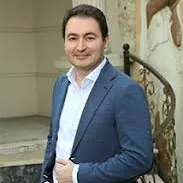
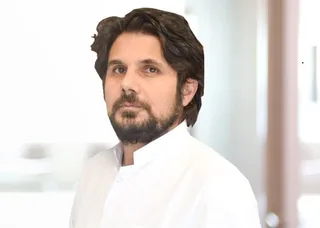
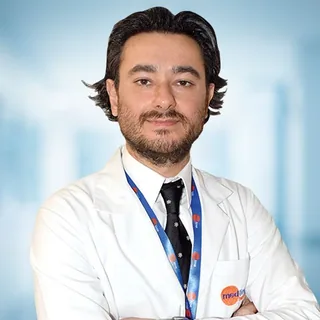
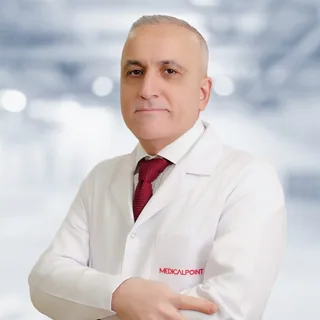
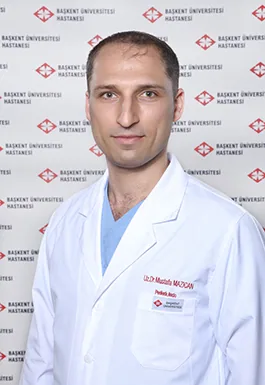
Mehmet Mahir Atasoy
M.D. Specialist · Interventional Radiology
Prof. Dr. Mehmet Mahir Atasoy – Interventional Radiology · Şişli, İstanbul
- Experience
- 25 years
- Education
- Istanbul University Cerrahpaşa Faculty of Medicine (English-language medicine program)
- Training
- Radiology specialist since 2006
- Professor title obtained in 2021
- Clinical interests
- Breast radiology and interventional radiology (academic)
- Memberships
- Founder of the Preventive Medicine and Functional Medicine Association (KOHEF)
- Publications
- More than 25 articles in international peer-reviewed journals
- Experience
- 23 years
- Education
- Graduated from Ankara University Faculty of Medicine in 2002
- Training
- Specialty training in Radiology at Ankara Numune Training and Research Hospital (2003-2009)
- Memberships
- Member of Turkish Radiological Society
- Member of Turkish Magnetic Resonance Society
- Languages
- English
- Experience
- 28 years
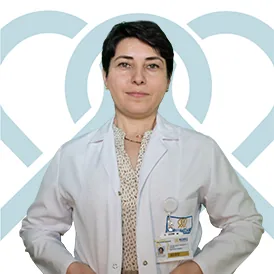
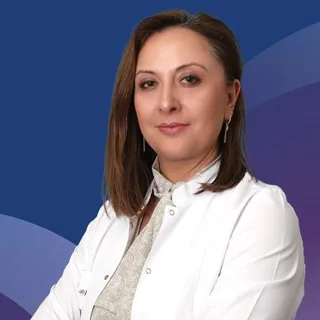
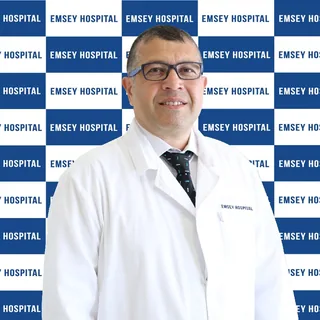
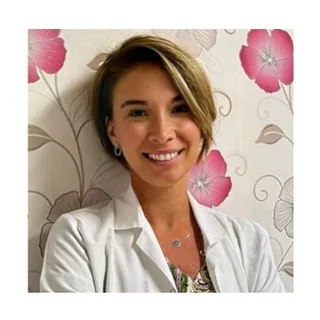
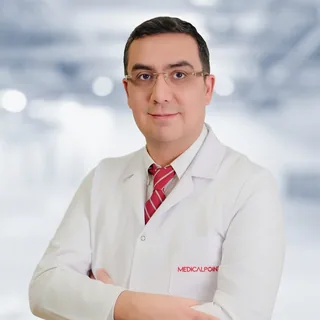
Ebru Güzel
M.D. Specialist · Interventional Radiology
Gaziantep Medicalpoint Hospital · Şehitkâmil, Gaziantep
- Experience
- 16 years
- Education
- Graduated from Çukurova University Faculty of Medicine in 2000
- Training
- Specialty training in Radiology at Dicle University Faculty of Medicine (2001-2005)
- Clinical interests
- Neuroradiology
- Memberships
- Member of Turkish Radiology Association
- Member of Turkish Neuroradiology Association
- Member of Turkish Magnetic Resonance Society
- and 1 more
- Publications
- 8 articles published in national peer-reviewed journals
- Experience
- 7 years
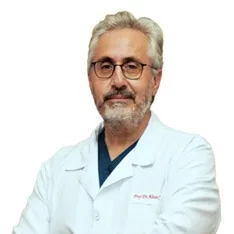
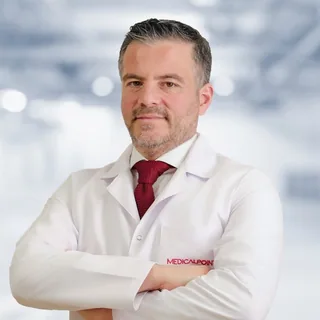
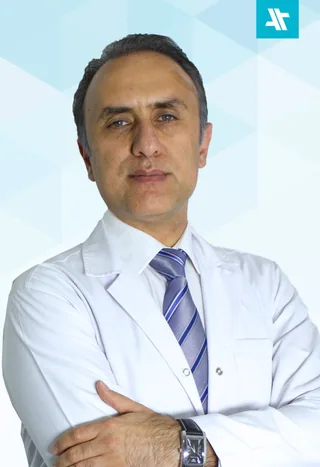
Davut Ünsal Çapkan
M.D. Specialist · Interventional Radiology
Gaziantep Medicalpoint Hospital · Şehitkâmil, Gaziantep
- Experience
- 22 years
- Education
- Graduated from Ankara University Faculty of Medicine in 1999
- Training
- Specialty training in Radiology at Gazi University (1999-2004)
- Memberships
- Member of Turkish Society of Radiology
- Member of Turkish Society of Interventional Radiology
- Member of Turkish PIR Association
- and 3 more
- Experience
- 27 years
- Education
- Graduated from Istanbul University Istanbul Faculty of Medicine in 2007
- Training
- Specialty training in Radiology at Ankara Turgut Özal University Faculty of Medicine (2008–2013)
- Clinical interests
- Interventional neuroradiology, Peripheral vascular interventional radiology, Oncological interventional radiology, Non-vascular interventional radiology, Neuroradiology
- Memberships
- Member of Turkish Society of Interventional Radiology
- Member of Turkish Society of Radiology
- Member of Turkish Magnetic Resonance Society
- and 3 more
- Publications
- 9 publications
İsmail Kırbaş
Associate Professor · Interventional Radiology
Lokman Hekim Akay Hospital · Çankaya, Ankara
- Experience
- 27 years
- Education
- Graduated from Akdeniz University Faculty of Medicine in 1997
- Training
- Specialty training in Radiodiagnostics at Başkent University (1999-2003)
- Clinical interests
- Neurovascular interventions, Endovascular cerebral aneurysm treatment, Carotid artery stenting, Mechanical thrombectomy
- Memberships
- Member of Turkish Society of Medical Imaging and Interventional Radiology
- Member of Turkish Society of Interventional Radiology
- Member of Turkish Magnetic Resonance Society
- and 1 more
Kerem Toprak
M.D. Specialist · Interventional Radiology
VM Medical Park Pendik Hospital · Pendik, İstanbul
- Education
- Graduated from Dicle University Faculty of Medicine in 2001
- Training
- Fellowship in Radiology at Izmir Katip Çelebi University, Izmir (2006-2012)
- Fellowship in Interventional Radiology at Izmir Katip Çelebi University, Izmir (2013-2014)
- Memberships
- Member of Cardiovascular and Interventional Radiological Society of Europe
- Member of Turkish Society of Interventional Radiology
- Member of Turkish Medical Association
- and 2 more
- Experience
- 25 years
- Education
- Graduated from Hacettepe University School of Medicine in 2001
- Training
- Residency at Hacettepe University School of Medicine (2001-2006)
- Clinical interests
- Neuroradiological treatments (embolization of aneurysm and AVM), Oncologic treatments (radioembolisation, chemoembolisation), Treatment of occluded vessels and aneurysms, Tumor marking and biopsies, Placement of dialysis catheter, port and PICC-line catheter
- Publications
- 31 articles published in international journals
- Experience
- 31 years
- Experience
- 3 years
- Education
- Graduated from Gazi University Faculty of Medicine in 2004
- Training
- Specialty training in Radiology at Hacettepe University Faculty of Medicine (2010)
- Memberships
- Member of Turkish Society of Radiology
- Languages
- English, Greek
- Education
- Graduated from Ankara University Faculty of Medicine in 2007
- Training
- Specialty training in Radiology at Kırıkkale University Faculty of Medicine (2013)
- Languages
- English
- Experience
- 25 years
- Training
- Observership at Faculty Hospital Hradec Kralove, Faculty of Medicine, Charles University, Czech Republic (2010)
- Interventional Radiology at Boston Children's Hospital Vascular Anomaly Center, Harvard University, USA (2008)
- Clinical interests
- Interventional Radiology, Oncological Radiology and Interventions, Vascular Radiology
- Memberships
- Member of Turkish Society of Radiology
- Member of Turkish Society of Interventional Radiology
- Member of Cardiovascular and Interventional Radiologic Society of Europe
- and 1 more
- Publications
- 12 national and 23 international publications
Gülşah Yıldırım
Associate Professor · Interventional Radiology
Silivri Anadolu Hospital · Silivri, İstanbul
- Experience
- 14 years
- Education
- Graduated from Istanbul University, Istanbul Faculty of Medicine in 2012
- Training
- Specialty training in Radiology at Istanbul University, Istanbul Faculty of Medicine (2012-2017)
- Training in minimally invasive treatment of thyroid nodules in Madrid, Spain (2019)
- Clinical interests
- Neuro-interventions, Interventional oncology, Treatment of thyroid nodules
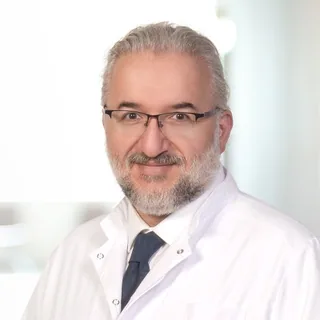
Fatih Boyvat
Professor · Interventional Radiology
Başkent University Istanbul Health Research and Application Center · Üsküdar, İstanbul
Akif Şirikçi
Professor · Interventional Radiology
Gaziantep Medicalpoint Hospital · Şehitkâmil, Gaziantep
- Experience
- 16 years
- Education
- Graduated from Hacettepe University Faculty of Medicine in 1993
- Training
- Specialty training in Radiology at Marmara University Faculty of Medicine (1993-97)
- Education in Angiography and Interventional Radiology at Cerrahpaşa Faculty of Medicine
- Training in Interventional Radiology at Ege University Faculty of Medicine (1 year)
- and 1 more
- Clinical interests
- Neuroradiology, Acute stroke treatment, Myoma embolization, Vertebroplasty
- Memberships
- Member of Turkish Society of Radiology
- Member of Cardiovascular and Interventional Radiological Society of Europe
- Member of Turkish Society of Interventional Radiology
- and 1 more
- Publications
- Scientific studies published in more than a hundred journals
- Experience
- 24 years
- Education
- Graduated from Marmara University Faculty of Medicine in 1997
- Training
- Specialty training in Radiology at Istanbul University Cerrahpaşa Faculty of Medicine (1997-2002)
- Clinical interests
- Coronary CT angiography, Mammography and breast ultrasonography, Voiding cystourethrography, Hysterosalpingography (HSG)
- Memberships
- Member of the Turkish Radiology Association
- Experience
- 32 years
Hakan Yılmaz
Associate Professor · Interventional Radiology
VM Medical Park Kocaeli Hospital · Başiskele, Kocaeli
- Experience
- 11 years
- Experience
- 11 years
- Education
- Graduated from Ankara University Faculty of Medicine in 2003
- Training
- Specialty training in Radiology at Gazi University Faculty of Medicine (completed 2008)
- Memberships
- Member of the Turkish Society of Radiology
- Member of the Turkish Society of Magnetic Resonance
- Languages
- English
Ercan Kocakoç
Professor · Interventional Radiology
Altınbaş University Medical Park Bahçelievler Hospital · Bahçelievler, İstanbul
- Education
- Graduated from 19 Mayıs University Faculty of Medicine in 1992
- Training
- Specialty training in Radiology at Erciyes University Faculty of Medicine
- Research fellowship in ultrasound and CT (body) at University Hospital of Cleveland, Case Western Reserve University, Cleveland, USA (2004-2005)
- Clinical interests
- Abdominal radiology, Interventional radiology, Oncological interventions (RF ablation, TACE, TARE), Varicoceles and testicular disease, Diffusion MRI of prostate cancer, liver, adrenal and renal masses, 3-dimensional ultrasound of bladder cancer, and 2 more
- Memberships
- Member of Turkish Society of Radiology
- Member of Medical Ultrasound Society of Turkey
- Fellow of European Society of Gastrointestinal and Abdominal Radiology (ESGAR)
- and 5 more
- Languages
- English
Mehmet Koray Akkan
Associate Professor · Interventional Radiology
Ankara Güven Hospital · Çankaya, Ankara
- Experience
- 25 years
- Education
- Graduated from Ankara University Faculty of Medicine in 2000
- Training
- Specialty training in Radiology at Gazi University Faculty of Medicine (2001-2005)
- Memberships
- Member of Turkish Society of Radiology
- Member of Turkish Interventional Radiology Society
- Member of Cardiovascular and Interventional Radiology
Kazım Özenç Minareci
Professor · Interventional Radiology
Liv Hospital Vadi İstanbul · Sarıyer, İstanbul
- Experience
- 39 years
- Education
- Graduated from Istanbul University Istanbul Faculty of Medicine
- Training
- Specialty training in Radiology at Marmara University Faculty of Medicine (1986-1987)
- Worked in Neuroradiology at Zurich University Neuroradiology Institute, Switzerland
- Worked at Beth Israel Hospital, New York, USA
- Clinical interests
- Imaging diagnosis of cranial, spinal and head-neck diseases, Endovascular treatment of brain, neck and spine vascular diseases, Cerebral aneurysm treatment, Stent treatment of cerebrovascular stenosis, Embolisation of fistulas and arteriovenous malformations, Preoperative tumor embolisation in head-neck surgery, and 4 more
Ayhan Duman
M.D. Specialist · Interventional Radiology
Gaziantep Medicalpoint Hospital · Şehitkâmil, Gaziantep
- Experience
- 22 years
- Education
- Graduated from Hacettepe Faculty of Medicine in 2004
- Training
- Specialty training in Radiology at Gaziantep University (2008-2013)
- Experience
- 30 years
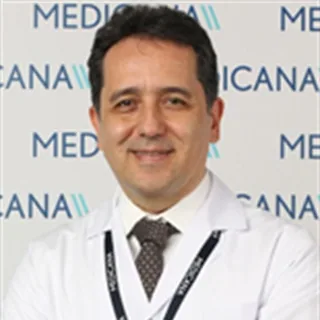
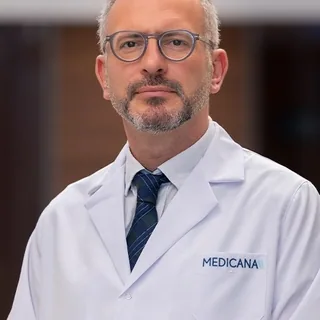
Serkan Gelmez
M.D. Specialist · Interventional Radiology
Medicana Ataköy Hospital · Bakırköy, İstanbul
- Experience
- 28 years
- Experience
- 29 years
- Education
- Graduated from Ege University Faculty of Medicine in 1992
- Training
- Specialty training in Radiology at Ege University Faculty of Medicine (1992-1997)
- Clinical interests
- MRI imaging, CT imaging
- Experience
- 31 years
- Education
- Graduated from Hacettepe University Faculty of Medicine
- Training
- Specialty training in Radiology at Université René Descartes Paris V, Faculté Cochin Port-Royal, Paris (1987-1991)
- Fellowship in Interventional Neuroradiology at Foundation A. De Rothschild
- Memberships
- Member of the Turkish Society of Radiology
- Member of the European Society of Radiology
- Member of the World Federation of Interventional and Therapeutic Neuroradiology
Where they practise
The hospitals and clinics where the most doctors on this list work.
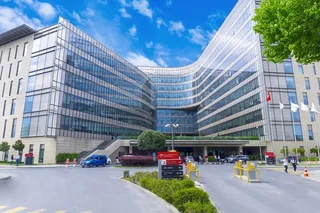
Koç University Hospital
Universitätsklinikum (Stiftung) · Zeytinburnu, İstanbul
5 doctors on this list
Foundation university hospital opened in 2014, part of VKV Health Institutions, with transplant, cancer, IVF and robotic surgery centers.
Koç University Hospital opened in 2014 as a foundation university hospital.
It belongs to VKV Health Institutions, the Vehbi Koç Foundation health group, which comprises 3 facilities.
- Founded
- 2014
- Doctors listed
- 221
- Group or operator
- Part of VKV Health Institutions (Vehbi Koç Foundation)
- Technology
- Da Vinci robotic surgery system, PET/CT, SPECT/CT, 3 Tesla MRI, Angiography, Endoscopic ultrasound (EUS)
- For international patients
- Transfer service
- Translation service
- Languages
- Albanian, Arabic, Bosnian, Bulgarian, English, French, German, Greek, Persian, Romanian, Russian, Serbian, Ukrainian, Uzbek
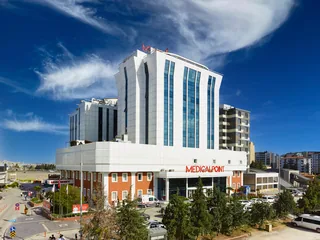
JCI-accredited private hospital founded in 2008 with Lu-177 PSMA, Yttrium-90 radioembolization, PET/CT, 3 Tesla MRI and HIFU in dermatology.
Prof. Akif Şirikçi practises interventional radiology, and angiography is part of the recorded equipment.
- Founded
- 2008
- Doctors listed
- 65
- Technology
- PET/CT, SPECT/CT, 3 Tesla MRI, Angiography, 3D tomosynthesis mammography, Endoscopic ultrasound (EUS), Computed tomography (CT) systems, New-generation HIFU (high-intensity focused ultrasound) device in the dermatology clinic for non-surgical facial rejuvenation, skin tightening and lifting
- For international patients
- Translation service
- Languages
- Arabic, English
- Accreditations
- ISO 10002, JCI
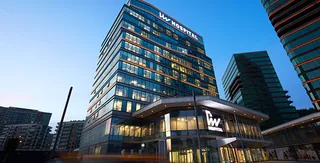
Liv Hospital Group's sixth hospital, opened 2021: robotic surgery with Da Vinci, pediatric heart and cancer surgery, IVF and 3 Tesla MRI.
The site also mentions an advanced endoscopy clinic, interventional radiology and a stem cell and regenerative medicine center.
- Founded
- 2021
- Doctors listed
- 85
- Group or operator
- Liv Hospital Group
- Technology
- Da Vinci robotic surgery system, Intraoperative 3 Tesla MRI, 3 Tesla MR, PET/CT, SPECT CT, Force CT, CyberKnife, TrueBeam, and 3 more
- For international patients
- Transfer service
- Translation service
- Accommodation consultancy service
- Languages
- Albanian, Arabic, Bosnian, Bulgarian, Chinese, English, French, Georgian, German, Italian, Persian, Romanian, Russian, Serbian, Somali, Spanish, Ukrainian, Uzbek
- Accreditations
- ISO 9001
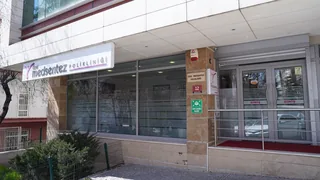
Clinic founded in 2012 with 3D tomosynthesis mammography, 4D breast ultrasound, bone densitometry and 3 interventional radiologists.
All 3 doctors on record are listed under interventional radiology.
- Founded
- 2012
- Doctors listed
- 3
- Technology
- 3D tomosynthesis mammography, 4D breast ultrasonography, Ultrasonography, Bone densitometry systems, Mammography systems, Doppler ultrasound systems, Ultrasound imaging systems
- Languages
- English
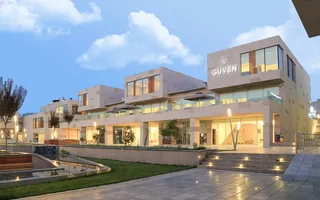
Ankara hospital founded in 1975, part of Güven Healthcare Group, with JCI and Planetree Gold accreditation and organ and bone marrow transplant centers.
Joint Commission International (JCI) first accredited the hospital in 2008 and accredited it again in 2011, 2014, 2017, 2020 and 2023.
Founded in 1975, Ankara Güven Hospital belongs to Güven Sağlık Grubu, also known as Güven Healthcare Group.
- Founded
- 1975
- Doctors listed
- 133
- Group or operator
- Part of Güven Sağlık Grubu (Güven Healthcare Group)
- Technology
- Force CT, SPECT/CT, PET/CT, 3 Tesla MRI, Intraoperative 3 Tesla MRI, TrueBeam radiotherapy system, Single-dose radiotherapy, 3D tomosynthesis mammography, and 4 more
- For international patients
- Transfer service
- Translation service
- Accommodation consultancy service
- Languages
- Albanian, Arabic, Bosnian, Bulgarian, English, French, Georgian, Italian, Russian, Somali, Uzbek
- Accreditations
- JCI
Questions about this list
How many interventional radiologists in Türkiye are listed?
56 interventional radiologists in Türkiye are listed on Medicaltour, practising at 43 private hospitals and clinics that hold the Ministry of Health's health-tourism authorization.
Who are the most experienced interventional radiologists in Türkiye?
By the years of experience reported on HealthTürkiye: Kazım Özenç Minareci (39 years), Ömer Faruk Evcil (34 years) and Cüneyt Erdoğan (32 years).
Where do interventional radiologists in Türkiye practise?
They practise at 43 private hospitals and clinics that hold the Ministry of Health's health-tourism authorization. The most doctors on this list work at Koç University Hospital (5), Gaziantep Medicalpoint Hospital (4) and Liv Hospital Vadi İstanbul (3).
How many interventional radiologists in Türkiye are professors?
Of the 56 listed, 17 hold the title of professor and 9 are associate professors, as registered on HealthTürkiye.
How many interventional radiologists in Türkiye trained abroad?
7 have education or training abroad stated on their clinic's website. Countries stated: United States (4), Czechia (1), Spain (1), France (1).
Which languages do interventional radiologists in Türkiye speak?
Languages stated for individual doctors on their clinics' websites: English (5), Greek (1).
Which cities have the most interventional radiologists in Türkiye?
By the city on the Ministry of Health's list: Istanbul (27), Ankara (8), Gaziantep (5), Antalya (3), Adana (2), Bursa (2).
About this specialty
In EnglishThis specialty covers tests and treatments inside blood vessels, such as angiography to examine them and angioplasty to reopen them.
What this specialty covers
Two examples of work in this field are angiography, which examines blood vessels, and angioplasty, which reopens them. Angiography is an X-ray test that shows how healthy the vessels are and how blood moves through them. It can help investigate various blood vessel problems and sometimes help plan treatment.1,2
Aortic angiography combines a special dye with X-rays to follow blood flow through the aorta. It has largely given way to CT or MR angiography, which use scans in place of plain X-rays.2,3
Angioplasty widens narrowed or blocked arteries, such as those supplying the legs. A stent, a small tube made of metal mesh, may be placed to help the artery stay open afterwards.1
Who it is usually for
Angiography may be requested when signs or symptoms point to a problem with the aorta or the vessels branching from it. It can also look into peripheral arterial disease, where the leg muscles get a reduced blood supply.2,3
A blocked leg artery can cause pain, aching or heaviness that begins or worsens with walking. Peripheral angioplasty is usually considered for leg pain from narrowed arteries even at rest, leg wounds or ulcers that do not heal, or leg infection or gangrene. It may not be needed for people who still manage most daily activities, and a doctor decides whether it is appropriate.1
What a visit usually involves
Before angioplasty, special tests show how far the blockage extends. Before aortic angiography, people may be asked to avoid food and drink for 6 to 8 hours.1,3
A radiologist or cardiologist places a needle into a groin blood vessel, and a catheter, meaning a very thin flexible tube, is passed into the artery. X-ray images are recorded as a contrast agent moves through the vessels, and some people feel a warm flush. The test can last from 30 minutes to 2 hours.2,3
During peripheral angioplasty, relaxing medicine keeps the person awake but drowsy. Guided by live X-ray images, the doctor widens the artery with a small medical balloon, and any stent goes in together with the balloon catheter.1
Treatment and follow-up
Afterwards, pressure is held on the needle entry point for 20 to 45 minutes to control bleeding. After aortic angiography, the leg usually stays straight for about 6 more hours. For the first 24 to 48 hours, heavy lifting and other hard physical effort should be avoided, though most people resume normal activity the next day. People can usually go home a few hours after angiography.2,3
After peripheral angioplasty, walking is usually possible within 6 to 8 hours, and many people leave hospital within 2 days or less. For most people, angioplasty improves blood flow through the artery. Smoking can slow healing and raise the chance of blood clots.1
Risks to discuss with your doctor
There is a very small chance of serious problems after angiography, including stroke, heart attack or an allergy to the contrast agent. A small lump or pocket of blood near the entry point is common for a few days or weeks. Bleeding or clotting can occur at the catheter site, and nerves at the needle site can be injured.1,2,3
The dye can harm the kidneys, and kidney failure is more likely in people with existing kidney problems. With angioplasty and stenting, the stent can be misplaced, the groin artery can be damaged and need urgent surgery, and loss of a limb is a listed risk.1,3
Questions to ask a clinic
- Which medicines or other treatments should be tried before angioplasty in my case?1
- Do I need to stop blood-thinning medicines beforehand, and for how long?1
- Should I tell the team about past reactions to X-ray contrast, shellfish or iodine?3
- How might the blockage location and my vessel size affect the results?1
- What are the next options, such as bypass surgery, if angioplasty does not help?1
- Will I need someone to drive me home afterwards?1
Other specialties
- Dentists in Türkiye (4.241)
- Internal medicine specialists in Türkiye (1.314)
- Gynecologists and obstetricians in Türkiye (1.170)
- Pediatricians in Türkiye (914)
- ENT specialists in Türkiye (892)
- Ophthalmologists in Türkiye (821)
- General surgeons in Türkiye (806)
- Plastic surgeons in Türkiye (767)
- Orthopedic surgeons in Türkiye (699)
- Anesthesiologists in Türkiye (674)
- Oral and maxillofacial surgeons in Türkiye (605)
- Radiologists in Türkiye (528)
Specialty is the department each doctor is registered in on HealthTürkiye, the official health-tourism portal.