Infectious disease specialists in Türkiye
152 infectious disease specialists in Türkiye are listed on Medicaltour, practising at 136 private hospitals and clinics that hold the Ministry of Health's health-tourism authorization.
36 hold the title of professor. 16 are associate professors. 88 report 20 or more years of experience. 1 has education or training abroad stated on the clinic's website. Languages stated: English (10). By city: Istanbul (49), Ankara (17), Kocaeli (12), Antalya (10), Izmir (10), Bursa (9).
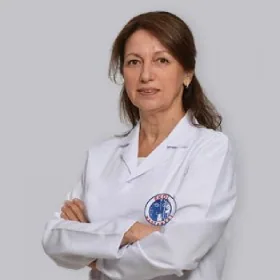
Selma Çakır
M.D. Specialist · Infectious Disease and Clinical Microbiology
VM Medical Park Kocaeli Hospital · Başiskele, Kocaeli
- Experience
- 17 years
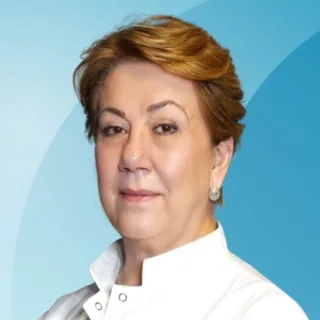
Filiz Kızılateş
M.D. Specialist · Infectious Disease and Clinical Microbiology
Anatolia Hospital Lara · Muratpaşa, Antalya
- Experience
- 32 years
- Education
- Graduated from Akdeniz University Faculty of Medicine
- Training
- Specialty training in Medical Microbiology
- Specialty training in Infectious Diseases and Clinical Microbiology
- Clinical interests
- Central nervous system infections, Sexually transmitted diseases, Gastrointestinal infections, Urinary tract infections, Febrile illnesses, Upper respiratory tract infections, and 4 more
- Memberships
- Member of the Association of Clinical Microbiology Specialists (EKMUD)
- Member of the Turkish Society of Clinical Microbiology and Infectious Diseases (KLİMİK)
- Member of the Microbiology Association
- and 1 more
- Languages
- English
Ahmet Ragıp Öktemgil
M.D. Specialist · Infectious Disease and Clinical Microbiology
- Experience
- 31 years
- Education
- Graduated from Istanbul University Faculty of Medicine in 1995
- Training
- Specialty training at Marmara University Faculty of Medicine (1997-2002)
- Clinical interests
- Microbiology, Clinical Microbiology, History of Medicine, Taxonomy
- Languages
- English
Nuriye Taşdelen Fışgın
Professor · Infectious Disease and Clinical Microbiology
Altınbaş University Medical Park Bahçelievler Hospital · Bahçelievler, İstanbul
- Experience
- 28 years
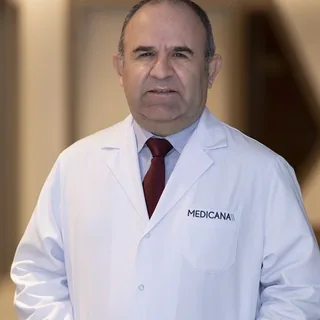
Canan Ağalar
Professor · Infectious Disease and Clinical Microbiology
Medicana Ataşehir Hospital · Ataşehir, İstanbul
- Experience
- 40 years
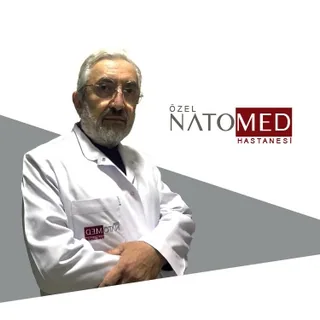
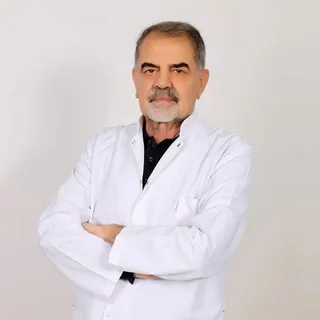
Alaattin Pasha
Professor · Infectious Disease and Clinical Microbiology
Natomed Hospital · Mamak, Ankara
- Experience
- 54 years
Mürşide Tunçel Başoğlu
M.D. Specialist · Infectious Disease and Clinical Microbiology
Metropol Hospital · Çiğli, İzmir
- Experience
- 28 years
- Experience
- 48 years
Rehile Zengin
Doctor · Infectious Disease and Clinical Microbiology
Acıbadem Altunizade Hospital · Üsküdar, İstanbul
- Experience
- 2 years
Naim Ulusan
Surgeon · Infectious Disease and Clinical Microbiology
Istanbul Bezmialem Vakıf University Hospital · Fatih, İstanbul
Osman Hakan Leblebicioğlu
Professor · Infectious Disease and Clinical Microbiology
VM Medical Park Samsun Hospital · Atakum, Samsun
Yalçın Karagöz
M.D. Specialist · Infectious Disease and Clinical Microbiology
Medicana International Samsun Hospital · Canik, Samsun
- Experience
- 48 years
Bayram Aydoslu
M.D. Specialist · Infectious Disease and Clinical Microbiology
Medikar Hospital · Merkez, Karabük
- Experience
- 24 years
- Training
- Infectious diseases and clinical microbiology specialization, Erciyes University Faculty of Medicine (2004)
- Experience
- 40 years
Mustafa Sünbül
Professor · Infectious Disease and Clinical Microbiology
Liv Hospital Samsun · İlkadım, Samsun
Cemal Aydoğan Lermi
M.D. Specialist · Infectious Disease and Clinical Microbiology
Lokman Hekim Istanbul Hospital · Pendik, İstanbul
- Experience
- 4 years
Ömer Hilmi Alga
M.D. Specialist · Infectious Disease and Clinical Microbiology
Konak Hospital · İzmit, Kocaeli
- Training
- Specialty training in Infectious Diseases and Clinical Microbiology at Gulhane Military Medical Academy
- Languages
- English
Ergenekon Karagöz
Associate Professor · Infectious Disease and Clinical Microbiology
Rami Hospital · Eyüpsultan, İstanbul
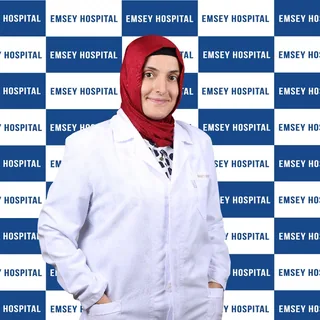
Güler Delibalta
Doctor · Infectious Disease and Clinical Microbiology
Emsey Hospital · Pendik, İstanbul
- Experience
- 21 years
- Education
- Graduated from Çukurova University School of Medicine in 2004
- Training
- Specialty training in Infectious Diseases and Clinical Microbiology at Kartal Training and Research Hospital (2005-2010)
- Clinical interests
- Infection monitoring during and after stem cell transplant, Diseases altering the immune status, Nosocomial infections, Intensive care unit infections
- Publications
- Three articles in local journals and 3 articles in international journals
Fatma Nur Özdoğan
M.D. Specialist · Infectious Disease and Clinical Microbiology
Acıbadem Bayındır İçerenköy Hospital · Ataşehir, İstanbul
- Experience
- 8 years
Mehmet Yılmaz Ata
M.D. Specialist · Infectious Disease and Clinical Microbiology
Medicana Bursa Hospital · Nilüfer, Bursa
- Experience
- 49 years
Gülay Kılıç
M.D. Specialist · Infectious Disease and Clinical Microbiology
Medicana International Ankara Hospital · Çankaya, Ankara
- Experience
- 42 years
Selahattin Işık
M.D. Specialist · Infectious Disease and Clinical Microbiology
Versa Hospital · Nevşehir
- Experience
- 40 years
- Education
- Medical degree, Ankara University Faculty of Medicine, 1976
Ayçin Özdemir
M.D. Specialist · Infectious Disease and Clinical Microbiology
OFM Antalya Hospital · Kepez, Antalya
- Experience
- 36 years
Kıvanç Şerefhanoğlu
Professor · Infectious Disease and Clinical Microbiology
Medicana Ataköy Hospital · Bakırköy, İstanbul
- Experience
- 28 years
Refiye Koşanoğlu
M.D. Specialist · Infectious Disease and Clinical Microbiology
Bazekol Çiğli Hospital · Çiğli, İzmir
- Experience
- 44 years
Gülgün Dilek Arman
Professor · Infectious Disease and Clinical Microbiology
Liv Hospital Vadi İstanbul · Sarıyer, İstanbul
- Experience
- 41 years
- Education
- Graduated from Ankara University School of Medicine in 1985
- Training
- Specialty training in Infectious Diseases and Clinical Microbiology at Ankara University School of Medicine (1987-1992)
- Clinical interests
- Sexually transmitted diseases and HIV, Fever of unknown origin, Lyme disease, Intensive care unit infections, Skin, soft tissue and bone infections
- Memberships
- Member of Turkish Society for Clinical Microbiology and Clinical Microbiology Specialists
- Member of Turkish Society for Hospital Infection and Control
- Member of Ankara Society for HIV/AIDS Prevention
- and 1 more
- Publications
- More than 150 articles, including clinical and in-vitro research and book chapters
- Languages
- English
Nazif Koçak
Professor · Infectious Disease and Clinical Microbiology
Medicana Çamlıca Hospital · Üsküdar, İstanbul
- Experience
- 40 years
Ahmet Çatı
M.D. Specialist · Infectious Disease and Clinical Microbiology
Aktıp Hospital · Merkez, Bartın
- Experience
- 46 years
Ahmet Elaldı
M.D. Specialist · Infectious Disease and Clinical Microbiology
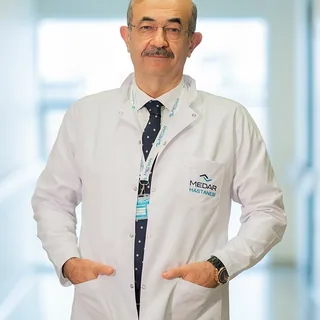
Medar Hospital (Sakarya) · Serdivan, Sakarya
- Experience
- 10 years
- Education
- Graduated from Cukurova University Faculty of Medicine
- Languages
- English

Where they practise
The hospitals and clinics where the most doctors on this list work.

Ankara hospital founded in 1975, part of Güven Healthcare Group, with JCI and Planetree Gold accreditation and organ and bone marrow transplant centers.
Joint Commission International (JCI) first accredited the hospital in 2008 and accredited it again in 2011, 2014, 2017, 2020 and 2023.
Founded in 1975, Ankara Güven Hospital belongs to Güven Sağlık Grubu, also known as Güven Healthcare Group.
- Founded
- 1975
- Doctors listed
- 133
- Group or operator
- Part of Güven Sağlık Grubu (Güven Healthcare Group)
- Technology
- Force CT, SPECT/CT, PET/CT, 3 Tesla MRI, Intraoperative 3 Tesla MRI, TrueBeam radiotherapy system, Single-dose radiotherapy, 3D tomosynthesis mammography, and 4 more
- For international patients
- Transfer service
- Translation service
- Accommodation consultancy service
- Languages
- Albanian, Arabic, Bosnian, Bulgarian, English, French, Georgian, Italian, Russian, Somali, Uzbek
- Accreditations
- JCI

JCI-accredited Acıbadem Healthcare Group hospital opened in 2017, with bone marrow transplant, oncology, Gamma Knife Icon and Health Point services.
Acıbadem Altunizade Hospital opened in March 2017 as the 21st hospital of the Acıbadem Healthcare Group.
The building has been awarded a LEED Gold certificate as a green building.
- Founded
- 2017
- Doctors listed
- 199
- Capacity
- 350 beds
- Group or operator
- Acıbadem Healthcare Group
- Technology
- Triple hybrid operating theatre system with 3 Tesla MRI, 128-slice sliding CT and robotic-arm angiography, Intraoperative 3 Tesla MRI, Da Vinci robotic surgery system, Tomotherapy HDA, TrueBeam linear accelerator, VitalBeam and Gamma Knife Icon in the oncology unit, PET/CT, SPECT/CT, and 3 more
- For international patients
- Holds health tourism authorization certificate no. ST-0413
- International patient unit 'Health Point' serving in 16 languages
- Awards
- LEED Gold certified green building
- Languages
- Albanian, Arabic, Bosnian, Bulgarian, English, French, Georgian, Persian, Romanian, Russian, Serbian, Somali, Ukrainian, Uzbek
- Accreditations
- JCI
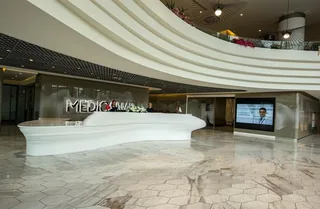
300-bed Medicana group hospital in Bursa with a 13-bed bone marrow transplant unit, radiotherapy, pediatric heart surgery and an international unit.
Medicana Bursa Hospital is the 13th hospital of Medicana Health Group, and the official record lists it as part of Medicana Healthcare Group.
Its branch page describes a 300-bed capacity and 24-hour emergency services.
- Doctors listed
- 101
- Capacity
- 300-bed capacity
- Group or operator
- Part of Medicana Healthcare Group
- Technology
- Versa HD and Synergy Platform linear accelerators, Linear accelerator (Linac) for radiotherapy, PET-CT, SPECT-CT, Da Vinci robotic surgery, CyberKnife, Endoscopic ultrasound (EUS), 1.5 Tesla MRI, and 6 more
- For international patients
- Holds health tourism authorization certificate no. ST-0133
- Dedicated international patient unit
- International patient center staff speak Arabic and English
- Translation service
- Languages
- Arabic, Bosnian, English, French, Georgian, German, Russian, Uzbek
- Accreditations
- AACI, ISO 9001, JCI

JCI-accredited Nişantaşı hospital in VKV Health Institutions: oncology, IVF, obesity surgery, Da Vinci robotic surgery and international services.
The hospital is part of VKV Health Institutions, the group that also includes Koç University Hospital and American Medical Center.
The official record lists 1995 as its foundation year, 185 doctors, 1862 personnel and 48 branches.
- Founded
- 1995
- Doctors listed
- 172
- Group or operator
- Part of VKV Health Institutions (with Koç University Hospital and American Medical Center)
- Technology
- Force CT, SPECT/CT, PET/CT, 3 Tesla MRI, Da Vinci robotic surgery system, TrueBeam radiotherapy system, Single-dose radiotherapy, 3D tomosynthesis mammography, and 2 more
- For international patients
- Translation service
- Transfer service
- Accommodation consultancy service
- Travel insurance consultancy service
- and 1 more
- Languages
- Albanian, Arabic, Bosnian, Bulgarian, English, French, Georgian, Persian, Romanian, Russian, Serbian, Ukrainian, Uzbek
- Accreditations
- ISO 27001, JCI

A Life Health Group hospital in western Ankara with a Cyberdyne HAL robot center, IVF unit, cardiac surgery, 3 Tesla MRI and three intensive care units.
A Life Ankara Hospital, also listed as Central Hospital, belongs to A Life Health Group, an Ankara-based hospital group.
It serves the western side of Ankara, including Etimesgut, Sincan, Eryaman and Bağlıca.
- Founded
- 2013
- Doctors listed
- 55
- Capacity
- 5 operating rooms
- Group or operator
- Part of A Life Health Group (Ankara-based hospital group)
- Technology
- Cyberdyne HAL wearable walking robot for rehabilitation after stroke, MS, Parkinson's disease and spinal cord injury, 3 Tesla MRI and multislice CT, CT angiography (virtual angiography), Angiography unit with DSA technology, Digital mammography with tomosynthesis and 4D breast ultrasound, SPECT-CT, Angiography
- For international patients
- Transfer service
- Translation service
- Accommodation consultancy service
- Travel insurance consultancy service
- and 2 more
- Languages
- Arabic, English, German, Russian, Somali, Ukrainian, Uzbek
Questions about this list
How many infectious disease specialists in Türkiye are listed?
152 infectious disease specialists in Türkiye are listed on Medicaltour, practising at 136 private hospitals and clinics that hold the Ministry of Health's health-tourism authorization.
Who are the most experienced infectious disease specialists in Türkiye?
By the years of experience reported on HealthTürkiye: Alaattin Pasha (54 years), Reşit Mıstık (51 years) and Süleyman Bahar (50 years).
Where do infectious disease specialists in Türkiye practise?
They practise at 136 private hospitals and clinics that hold the Ministry of Health's health-tourism authorization. The most doctors on this list work at Ankara Güven Hospital (4), Acıbadem Altunizade Hospital (3) and Medicana Bursa Hospital (3).
How many infectious disease specialists in Türkiye are professors?
Of the 152 listed, 36 hold the title of professor and 16 are associate professors, as registered on HealthTürkiye.
How many infectious disease specialists in Türkiye trained abroad?
1 has education or training abroad stated on their clinic's website. Countries stated: Switzerland (1), United Kingdom (1).
Which languages do infectious disease specialists in Türkiye speak?
Languages stated for individual doctors on their clinics' websites: English (10).
Which cities have the most infectious disease specialists in Türkiye?
By the city on the Ministry of Health's list: Istanbul (49), Ankara (17), Kocaeli (12), Antalya (10), Izmir (10), Bursa (9).
About this specialty
In EnglishInfectious diseases medicine deals with illnesses caused by germs: bacteria, viruses, fungi and parasites.
What this specialty covers
Infectious diseases are illnesses brought about by germs, which fall into four broad types. Bacteria are single cells that multiply fast, and they cause strep throat and urinary tract infections. Viruses are tiny packages of genetic material that enter cells to copy themselves, and HIV and the common cold are both viral.1
Fungi are simple plant-like organisms such as moulds, mildew, mushrooms and yeasts, and they are behind problems like athlete's foot. Parasites are plants or animals that live on or inside another living thing, and malaria and head lice are examples. Germs can spread through direct contact with someone who is ill, through insect or animal bites, or by way of contaminated food, water, soil or plants. Some infections go unnoticed, while others can threaten life.1
A growing concern is antimicrobial resistance, which means germs stop responding to the medicines meant to treat them. In 2023, about 1 in 6 bacterial infections confirmed by laboratories worldwide did not respond to antibiotics.2
Who it is usually for
Fungal infections hit very ill people and those with weakened immunity hardest, such as people having cancer chemotherapy, organ transplant recipients and people with HIV. Drug-resistant infections weigh most on the very young, the very old and people in low-resource settings.2
Chest infections, which affect the lungs or large airways, often come after a cold or flu. People over 65 or with a serious long-term condition are more at risk of one. Some germs can also pass from a pregnant person to the fetus.1,3
What a visit usually involves
To find the cause of a chest infection, a doctor may arrange a blood test or have a mucus sample tested, and treatment then depends on what is found. Antibiotics may be taken by mouth as pills, capsules or liquids, or put on the skin as creams, sprays or ointments. Injections or drips into a vein (intravenous treatment) are usually kept for more serious infections.3,4
Treatment and follow-up
Depending on the germ, treatment may use antibiotic, antiviral, antifungal or anti-parasitic medicines. Antibiotics kill bacteria or make it harder for them to grow, but they have no effect on viruses. With some infections, including some viral ones, care eases symptoms while the immune system clears the germ. A prescribed antibiotic course is meant to be finished even after symptoms ease.1,4
Many chest infections settle by themselves in about 7 to 10 days, though a cough and mucus may continue for up to 3 weeks. MDR-TB can be treated and cured with other drugs, though these tend to be more toxic. Vaccination and regular hand washing help prevent many infections, and the pneumococcal vaccine helps protect against pneumonia.1,2,3
Risks to discuss with your doctor
Antibiotic side effects can be anything from minor to very severe, and common ones include rash, nausea, diarrhea and yeast infections. Antibiotics can also lead to C. diff infections, whose diarrhea may seriously harm the colon, and to severe allergic reactions that can be life-threatening. Any side effect during antibiotic treatment is worth reporting to a health care provider.4
Bacteria can change so that an antibiotic no longer works, and stopping a course too early may let some survive and cause the infection again. Misuse and overuse of these medicines help resistant germs develop and spread. Resistance also makes complications of procedures such as surgery more likely.2,4
Some chest infections are mild, but others can become severe and life-threatening. Aspirin should not be given to children under 16, and cough remedies are not meant for children younger than 6.3
Questions to ask a clinic
- Is an antibiotic actually required for this infection, or might it clear up without one?4
- Could the infection be caused by a virus, in which case antibiotics would not help?3,4
- How should the medicine be taken, and what should I do if side effects appear?4
- Why should antibiotics not be kept for later or shared with someone else?4
- Could drug resistance affect how this infection is treated?2
Not sure who to choose?
Describe what you need and we pass your request to suitable authorized providers so a quote can be prepared. It does not commit you to anything.
Angebot anfordernOther specialties
- Dentists in Türkiye (4.241)
- Internal medicine specialists in Türkiye (1.314)
- Gynecologists and obstetricians in Türkiye (1.170)
- Pediatricians in Türkiye (914)
- ENT specialists in Türkiye (892)
- Ophthalmologists in Türkiye (821)
- General surgeons in Türkiye (806)
- Plastic surgeons in Türkiye (767)
- Orthopedic surgeons in Türkiye (699)
- Anesthesiologists in Türkiye (674)
- Oral and maxillofacial surgeons in Türkiye (605)
- Radiologists in Türkiye (528)
Specialty is the department each doctor is registered in on HealthTürkiye, the official health-tourism portal.