Psychiatrists in Türkiye
233 psychiatrists in Türkiye are listed on Medicaltour, practising at 159 private hospitals and clinics that hold the Ministry of Health's health-tourism authorization.
21 hold the title of professor. 12 are associate professors. 84 report 20 or more years of experience. 6 have education or training abroad stated on their clinic's website. Languages stated: English (27), German (7), Azerbaijani (2), Russian (2), Arabic (1). By city: Istanbul (98), Ankara (28), Kocaeli (12), Izmir (10), Gaziantep (9), Adana (8).
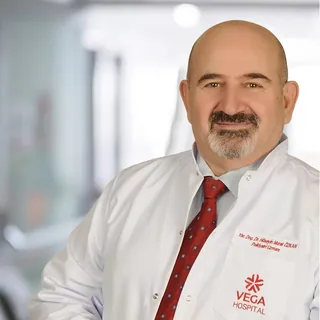
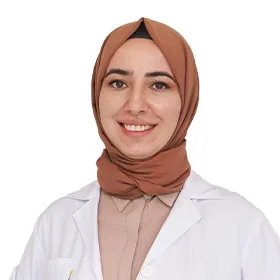
Hüseyin Murat Özkan
Assistant Professor · Психическое здоровье и заболевания (Психиатрия)
Vega Hospital · Çorlu, Tekirdağ
- Experience
- 34 years
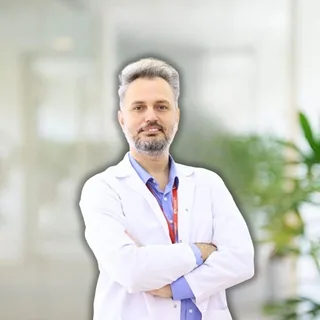
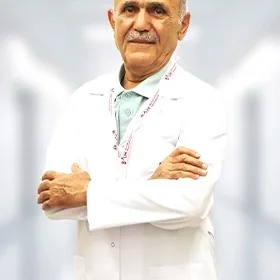
Nuri Yıldıray Ermiş
Psychiatrists · Психическое здоровье и заболевания (Психиатрия)
Konak Hospital · İzmit, Kocaeli
- Education
- Graduated from Gülhane Military Medical Faculty, Ankara
- Languages
- English
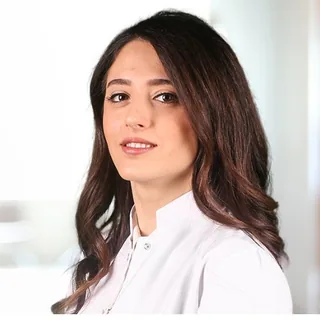
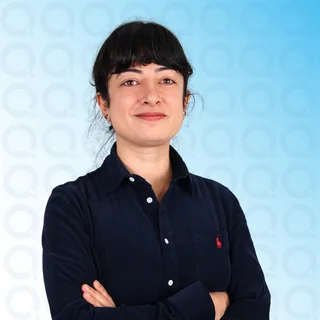
Ece Çalışkan Subaşı
M.D. Specialist · Психическое здоровье и болезни
VM Medical Park Kocaeli Hospital · Başiskele, Kocaeli
- Experience
- 11 years
- Education
- Graduated from Atatürk University Faculty of Medicine in 2011
- Training
- Specialty training in Psychiatry (Mental Health and Diseases) at Atatürk University Faculty of Medicine (2012-2017)
- Clinical interests
- Cognitive behavioral therapy practitioner approved by the Psychiatric Association of Turkey
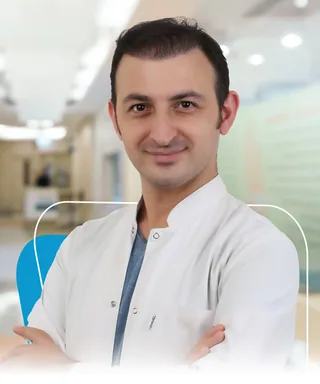
Fatma Erzengin
Doctor · Психическое здоровье и заболевания (Психиатрия)
Doruk Yıldırım Hospital · Yıldırım, Bursa
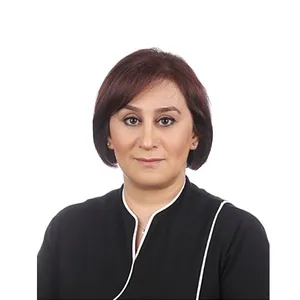
Aynur Nabi
M.D. Specialist · Психическое здоровье и болезни
Madalyon Psychiatry Center · Beşiktaş, İstanbul
- Experience
- 11 years
- Education
- Graduated from Azerbaijan Medical University in 2009
- Training
- Specialty training in Mental Health and Diseases at Bezmialem Vakif University (2015-2019)
- Languages
- Azerbaijani, English, Russian
- Experience
- 32 years
- Education
- Graduated from Istanbul University Faculty of Medicine
- Training
- Specialty training at Bakırköy Hospital for Mental and Neurological Diseases
- Clinical interests
- Sexual dysfunctions, Mood disorders, Anxiety disorders, Personality disorders
- Memberships
- Member of Turkish Medical Association
- Member of Turkish Psychiatric Association
- Member of Association for Treatment and Research of Sexual Dysfunctions
- Languages
- English
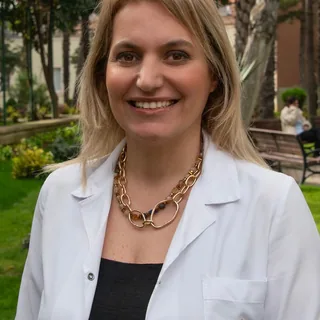
Pelin Taş
M.D. Specialist · Психическое здоровье и заболевания (Психиатрия)
Moodist Hospital · Üsküdar, İstanbul
- Experience
- 8 years
- Education
- MD, Trakya University Faculty of Medicine (2007-2013)
- Training
- Psychiatry residency, Trakya University Faculty of Medicine (2014-2018)
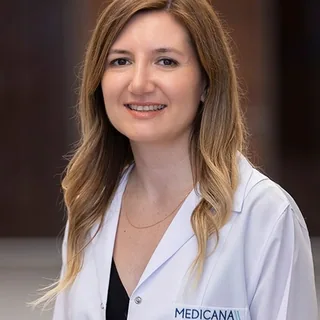
Seda Tanrıverdi Oluğ
M.D. Specialist · Психическое здоровье и заболевания (Психиатрия)
Medicana Ataköy Hospital · Bakırköy, İstanbul
- Experience
- 10 years
Önder Tangolar
Psychiatrists · Психическое здоровье и заболевания (Психиатрия)
Ortadoğu Sağlık Hospital · Seyhan, Adana
- Experience
- 26 years
- Training
- Psychiatry specialty training, Dicle University (2008)
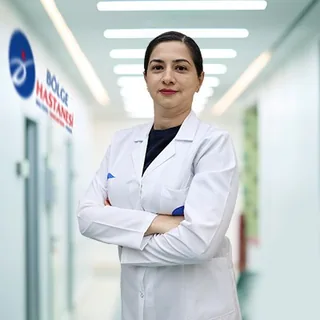
Kamala Najafova
M.D. Specialist · Психическое здоровье и болезни
Istanbul Bölge Hospital · Sancaktepe, İstanbul
- Experience
- 19 years
- Education
- Graduated from Azerbaijan Medical University Faculty of Medicine in 2007
- Training
- Specialty training in Psychiatry at Bezmialem Vakıf University (2017–2022)
- Clinical interests
- Psychotic disorders, Mood disorders, Anxiety disorders, Obsessive-compulsive disorder (OCD), Sleep disorders
Ayten Büyükbayram
Doctor · Психическое здоровье и заболевания (Психиатрия)
Beyhekim Hospital · Adapazarı, Sakarya
- Experience
- 22 years
- Education
- Graduated from Dicle University School of Medicine
- Training
- Specialty training in Psychiatry at Fırat University School of Medicine
- Clinical interests
- Depression, Bipolar disorder, Schizophrenia and other psychological disorders, Obsessive compulsive disorder, Alcohol and substance addiction, Personality disorders, and 4 more
Özge Yükselay
M.D. Specialist · Психическое здоровье и заболевания (Психиатрия)
Moodist Hospital · Üsküdar, İstanbul
- Experience
- 13 years
- Education
- MD, Erciyes University Faculty of Medicine (2006–2013)
- Clinical interests
- Eating disorders: medical treatment plus individual and group therapy
Telli Zadehgan Afshord
M.D. Specialist · Психическое здоровье и заболевания детей и подростков
Madalyon Psychiatry Center · Beşiktaş, İstanbul
- Experience
- 9 years
- Education
- Graduated from Tabriz Azad University Faculty of Medicine in 2004
- Training
- Specialty training in Child and Adolescent Psychiatry at Bezmialem Vakıf University Faculty of Medicine (2017-2021)
- Training course in Child and Adolescent Cognitive and Behavioral Therapy at Istanbul University Continuing Education and Application Center, Istanbul (2021)
- Clinical interests
- Attention Deficit and Hyperactivity Disorder, Specific Learning Disorder, Communication Disorders, Autism Spectrum Disorder, Intellectual Disability, Tic Disorders, and 3 more
- Memberships
- Member of the Child and Adolescent Psychiatry Association of Turkey
- Member of the Turkish Psychiatric Association
- Member of the Turkish Medical Association
Semra Yılmaz
Associate Professor · Психическое здоровье и заболевания детей и подростков
Yedikule Surp Pırgiç Armenian Hospital · Zeytinburnu, İstanbul
- Experience
- 24 years
- Education
- Graduated from Marmara University Faculty of Medicine in 2002
- Training
- Specialty training in Child Psychiatry at Marmara University (2009)
- Clinical interests
- Attention Deficit Hyperactivity Disorder, Autism Spectrum Disorder, Learning Disability (Dyslexia, Dysgraphia, Dyscalculia), Depression, Anxiety, Obsessive-compulsive Disorder, and 4 more
- Memberships
- Member of Turkish Medical Association
- Member of Schema Therapy Association
- Member of ÇARE-DER (Child and Family Guidance Association)
Hüseyin Şipka
Psychiatrists · Психическое здоровье и заболевания (Психиатрия)
Tekirdağ Yaşam Hospital · Süleymanpaşa, Tekirdağ
- Experience
- 16 years
- Education
- Graduated from Trakya University Faculty of Medicine in 2010
- Clinical interests
- Anxiety disorders, Major depressive disorder, Attention-deficit/hyperactivity disorder (ADHD), Schizophrenia and other psychotic disorders, Obsessive-compulsive disorder (OCD), Sleep-wake disorders, and 3 more
- Memberships
- Member of Turkish Medical Association
- Member of Psychiatric Association of Turkey
- Languages
- English
Mine Cansu Bozkurt
M.D. Specialist · Психическое здоровье и болезни
Bossan Hospital · Şehitkamil, Gaziantep
- Experience
- 15 years
Buse Gökçe
M.D. Specialist · Психическое здоровье и заболевания (Психиатрия)
VM Medical Park Samsun Hospital · Atakum, Samsun
- Experience
- 7 years
Salih Keleş
Doctor · Психическое здоровье и заболевания (Психиатрия)
Erciyes Hospital · Melikgazi, Kayseri
- Experience
- 44 years
Fatma Doğan
M.D. Specialist · Психическое здоровье и заболевания (Психиатрия)
Merkez Prime Hospital · Gebze, Kocaeli
- Experience
- 26 years
Gülnare Yusifova
Psychiatrists · Психическое здоровье и заболевания (Психиатрия)
Aktif International Hospital (Kocaeli) · Başiskele, Kocaeli
- Experience
- 3 years
- Education
- Graduated from Azerbaijan Medical University Faculty of Medicine in 2015
- Training
- Specialty training in Mental Health and Diseases at Kocaeli University (2018-2022)
- Clinical interests
- Depression, Mourning and loss, Anxiety, Panic attacks, Test anxiety, Mood disorders, and 1 more
- Memberships
- Member of Turkish Medical Association
- Member of Schema Therapy Association
- Member of Psychiatry Association of Turkey
- Languages
- English, German
Rahim Kucur
Professor · Психическое здоровье и заболевания (Психиатрия)
Büyük Anadolu Hospital · Darıca, Kocaeli
- Experience
- 45 years
- Education
- Graduated from Atatürk University Faculty of Medicine in 1976
- Training
- Specialty training in Psychiatry at Atatürk University Faculty of Medicine
- Clinical interests
- Schizophrenia and other psychotic disorders, Mental disorders due to general medical conditions, Alcohol and substance addiction treatment, Anxiety disorders, Perinatal mental health, Sleep disorders, and 2 more
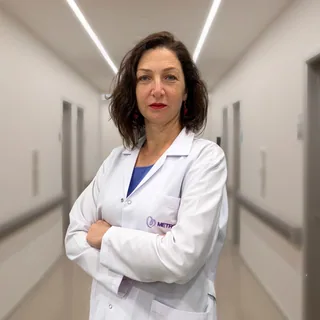
Özgül Çınar
M.D. Specialist · Психическое здоровье и заболевания (Психиатрия)
Metropol Hospital · Çiğli, İzmir
- Experience
- 25 years
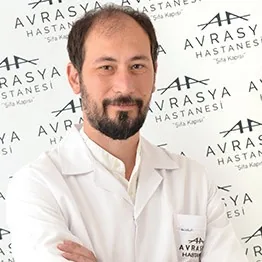
Burak Berber
M.D. Specialist · Психическое здоровье и болезни
Avrasya Hospital (Gaziosmanpaşa) · Gaziosmanpaşa, İstanbul
- Experience
- 10 years
Hilal Yavuz
M.D. Specialist · Психическое здоровье и заболевания (Психиатрия)
Tarsus MMT American Hospital · Tarsus, Mersin
- Experience
- 7 years
Emel Koçer
Associate Professor · Психическое здоровье и болезни
Çamlık Medical Center · Çekmeköy, İstanbul
- Experience
- 21 years
- Education
- Graduated from Istanbul University Cerrahpaşa Faculty of Medicine in 1993
- Training
- Specialty training in Psychiatry at Düzce University Faculty of Medicine (2000–2005)
- Clinical interests
- Couples therapy
- Memberships
- Member of Istanbul Medical Chamber
- Member of Turkish Psychiatric Association
- Languages
- English, German
Mehmet Çekirdek
M.D. Specialist · Психическое здоровье и заболевания (Психиатрия)
Başkent University Alanya Hospital · Alanya, Antalya
- Experience
- 33 years
- Education
- Graduated from Gazi University Faculty of Medicine in 1993
- Training
- Specialty training in Psychiatry at Bakırköy Prof. Dr. Mazhar Osman Mental Health and Neurological Diseases Training and Research Hospital (1997–2002)
- Clinical interests
- General Adult Psychiatry, Forensic Psychiatry, Sexual Therapy, Cognitive Behavioral Therapy (CBT), Alcohol and Substance Use Disorder Treatment, Couples and Family Therapy
- Memberships
- Member of CETAD (Sexual Education, Treatment and Research Association)
- Member of Turkish Psychiatric Association (TPD)
- Member of Turkish Association for Cognitive and Behavioral Therapies (KDTD)
Özer Karabaş
M.D. Specialist · Психическое здоровье и болезни
Madalyon Psychiatry Center · Beşiktaş, İstanbul
- Experience
- 15 years
- Training
- Psychiatry residency at Marmara University Faculty of Medicine, 2011–2017
- Certified cognitive behavioural therapist (KDT and EABCT)
Fatıma Mükerrem Güven
M.D. Specialist · Психическое здоровье и болезни
Anatolia Hospital Lara · Muratpaşa, Antalya
- Experience
- 37 years
- Education
- Graduated from Akdeniz University with a Bachelor's Degree in Medicine in 1989
- Training
- Specialty training in Psychiatry at Akdeniz University Faculty of Medicine (1993–1998)
- Clinical interests
- Substance addiction and rehabilitation, Cognitive behavioral therapy, Addiction psychiatry
- Memberships
- Member of Turkish Medical Association
- Member of Antalya Medical Chamber
- Member of Turkish Psychiatric Association, Antalya Branch
- and 3 more
- Languages
- English
Hamdi Tutkun
Psychiatrists · Психическое здоровье и заболевания (Психиатрия)
VM Medical Park Pendik Hospital · Pendik, İstanbul
- Education
- Graduated from Hacettepe University Faculty of Medicine in 1990
- Training
- Specialty training in Psychiatry at Istanbul University Istanbul (Çapa) Faculty of Medicine (1991-1996)
- Clinical interests
- Mental health and illnesses, Psychopharmacology, Family and marital therapies, Psychotherapies
- Memberships
- Member of the Turkish Psychiatric Association
- Member of the Turkish Medical Association
- Languages
- English
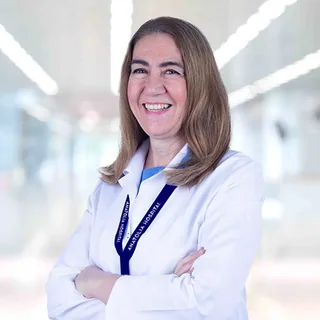
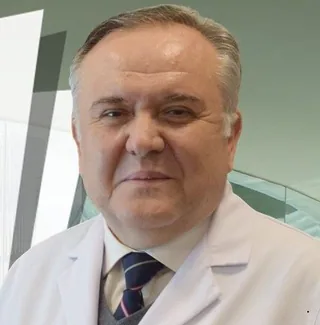
Where they practise
The hospitals and clinics where the most doctors on this list work.
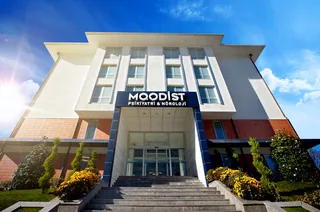
Psychiatry, neurology and AMATEM-licensed addiction care since 2016, with 75 beds and interpreters for international patients.
Moodist Psychiatry and Neurology Hospital opens its inpatient wards to its own staff physicians and also to psychiatrists from other institutions and private clinics, who can admit and follow up their own patients.
- Founded
- 2016
- Doctors listed
- 17
- Capacity
- 75 beds
- Technology
- ECT, TMS, EEG and all psychological diagnostic tests performed in-house, Ultrasonography, VR therapy, ECG
- For international patients
- Dedicated interpreters for international patients
- International patient services
- Transfer service
- Translation service
- Languages
- Albanian, Arabic, Belarusian, Bosnian, Bulgarian, Dutch, English, French, Georgian, German, Greek, Italian, Persian, Portuguese, Romanian, Russian, Serbian, Somali, Spanish, Ukrainian, Urdu, Uzbek
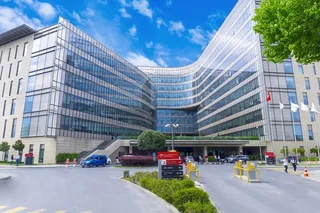
Koç University Hospital
Университетская больница (фонд) · Zeytinburnu, İstanbul
7 doctors on this list
Foundation university hospital opened in 2014, part of VKV Health Institutions, with transplant, cancer, IVF and robotic surgery centers.
Koç University Hospital opened in 2014 as a foundation university hospital.
It belongs to VKV Health Institutions, the Vehbi Koç Foundation health group, which comprises 3 facilities.
- Founded
- 2014
- Doctors listed
- 221
- Group or operator
- Part of VKV Health Institutions (Vehbi Koç Foundation)
- Technology
- Da Vinci robotic surgery system, PET/CT, SPECT/CT, 3 Tesla MRI, Angiography, Endoscopic ultrasound (EUS)
- For international patients
- Transfer service
- Translation service
- Languages
- Albanian, Arabic, Bosnian, Bulgarian, English, French, German, Greek, Persian, Romanian, Russian, Serbian, Ukrainian, Uzbek

Psychiatry center in Ankara founded in 2005, with child and adolescent psychiatry, adult mental health, couples therapy and online sessions.
The center states that it was founded in Ankara in 2005 by psychiatrist Dr. Gülseren Budayıcıoğlu.
- Founded
- 2005
- Doctors listed
- 7
- Group or operator
- Operated by Madalyon Sağlık Hizmetleri A.Ş.
- For international patients
- Health tourism authorization number ST-1906
- Languages
- Dutch, English, German, Persian, Russian

Psychiatric center in Levent, Beşiktaş for adults, children and adolescents, part of a group founded in Ankara in 2005, with online and telephone therapy.
The Levent branch belongs to the Madalyon Psychiatric Center group, which psychiatrist Dr. Gülseren Budayıcıoğlu founded in Ankara in 2005.
- Founded
- 2013
- Doctors listed
- 7
- Group or operator
- Part of the Madalyon Psychiatric Center group, founded in Ankara in 2005 by psychiatrist Dr. Gülseren Budayıcıoğlu
- Languages
- English, French, German, Persian, Russian

JCI-accredited Nişantaşı hospital in VKV Health Institutions: oncology, IVF, obesity surgery, Da Vinci robotic surgery and international services.
The hospital is part of VKV Health Institutions, the group that also includes Koç University Hospital and American Medical Center.
The official record lists 1995 as its foundation year, 185 doctors, 1862 personnel and 48 branches.
- Founded
- 1995
- Doctors listed
- 172
- Group or operator
- Part of VKV Health Institutions (with Koç University Hospital and American Medical Center)
- Technology
- Force CT, SPECT/CT, PET/CT, 3 Tesla MRI, Da Vinci robotic surgery system, TrueBeam radiotherapy system, Single-dose radiotherapy, 3D tomosynthesis mammography, and 2 more
- For international patients
- Translation service
- Transfer service
- Accommodation consultancy service
- Travel insurance consultancy service
- and 1 more
- Languages
- Albanian, Arabic, Bosnian, Bulgarian, English, French, Georgian, Persian, Romanian, Russian, Serbian, Ukrainian, Uzbek
- Accreditations
- ISO 27001, JCI
Questions about this list
How many psychiatrists in Türkiye are listed?
233 psychiatrists in Türkiye are listed on Medicaltour, practising at 159 private hospitals and clinics that hold the Ministry of Health's health-tourism authorization.
Who are the most experienced psychiatrists in Türkiye?
By the years of experience reported on HealthTürkiye: Tahsin Pektoylan (51 years), Emin Ümit Beğenç (50 years) and Mahmut Özten (50 years).
Where do psychiatrists in Türkiye practise?
They practise at 159 private hospitals and clinics that hold the Ministry of Health's health-tourism authorization. The most doctors on this list work at Moodist Hospital (14), Koç University Hospital (7) and Madalyon Psychiatry Center (7).
How many psychiatrists in Türkiye are professors?
Of the 233 listed, 21 hold the title of professor and 12 are associate professors, as registered on HealthTürkiye.
How many psychiatrists in Türkiye trained abroad?
6 have education or training abroad stated on their clinic's website. Countries stated: Germany (3), Azerbaijan (1), Canada (1), United States (1).
Which languages do psychiatrists in Türkiye speak?
Languages stated for individual doctors on their clinics' websites: English (27), German (7), Azerbaijani (2), Russian (2), Arabic (1).
Which cities have the most psychiatrists in Türkiye?
By the city on the Ministry of Health's list: Istanbul (98), Ankara (28), Kocaeli (12), Izmir (10), Gaziantep (9), Adana (8).
About this specialty
In EnglishPsychiatry deals with mental disorders, which are conditions that can affect thinking, feeling, mood and behaviour.
What this specialty covers
This specialty is concerned with mental disorders, which can change how a person thinks, feels and acts, as well as their mood. Doctors describe a mental disorder as a clinically significant disturbance in thinking, emotional control or behaviour. Close to 1 in 7 people around the world live with one. Some last a short time, some come and go, and others are long-lasting, or chronic.1,2
Anxiety disorders and depression are the types seen most often. Anxiety disorders, such as panic disorder, OCD and phobias, involve fear and worry beyond what is usual, with related changes in behaviour. Depression is more than ordinary mood changes or a brief reaction to daily difficulties. Bipolar disorder, another mood condition, brings depressive episodes that alternate with phases of manic symptoms.1,2
The field also covers psychotic disorders such as schizophrenia, which can seriously affect perception and change behaviour. Other areas include personality disorders and PTSD, which may follow a deeply threatening or horrific experience. Eating disorders such as anorexia and bulimia involve unusual eating and strong concern about body weight and shape. Neurodevelopmental conditions, including autism spectrum disorder and ADHD, are also included.1,2
Who it is usually for
Mental disorders are not a sign of weak character or laziness. Risk can rise with genes and family history, stress or abuse (particularly in childhood), and a traumatic brain injury. Alcohol or recreational drug use, a serious illness such as cancer, loneliness, and hardship such as poverty or violence can also play a part. Disruptive behaviour and dissocial disorders often begin in childhood, and anorexia nervosa often starts in the teenage years or early adulthood.1,2
What a visit usually involves
An assessment usually starts with questions about your medical history. If another medical condition could explain the symptoms, a physical examination and sometimes laboratory tests may be arranged. A psychological evaluation asks about your thoughts, feelings and behaviour. In a depressive episode, symptoms are present through most of each day, on almost every day, over at least two weeks. With PTSD, symptoms last at least several weeks and noticeably affect daily functioning.1,2
Treatment and follow-up
Treatment depends on the type of disorder and how severe it is, and usually includes some form of therapy, sometimes with medicines. For anxiety and depression, psychological treatment is effective, and medicines may be considered depending on age and severity. Bipolar disorder care may include psychoeducation, support for social functioning and medicines, while schizophrenia care can also involve family interventions and psychosocial rehabilitation.1,2
Eating disorders may be treated with family-based treatment and cognitive-based therapy, and neurodevelopmental disorders with behavioural interventions, occupational therapy and speech therapy. Disruptive behaviour disorders are treated with psychological approaches that often include parents, caregivers and teachers. Some people also need social support, including help with relationships, and guidance on managing their condition. Some care takes place in a psychiatric hospital, with counselling, group discussions and activities.1,2
Risks to discuss with your doctor
Without treatment, mental disorders can seriously disrupt everyday life, cause long-term suffering and make it harder to connect with others. The risk of suicide is higher among people with depression or bipolar disorder. On average, people with schizophrenia live nine years less than the general population. Bulimia nervosa is linked to a higher risk of substance use, suicidality and other health complications. Many people with mental disorders also face stigma, discrimination and violations of their human rights.1,2
Questions to ask a clinic
- How will we build a treatment plan for my situation?1
- Which therapies do you offer, and when are medicines considered?1,2
- In what situations would you suggest a psychiatric hospital stay?1
- Is family involvement or social support part of your approach?2
Not sure who to choose?
Describe what you need and we pass your request to suitable authorized providers so a quote can be prepared. It does not commit you to anything.
Запросить предложениеOther specialties
- Dentists in Türkiye (4 241)
- Internal medicine specialists in Türkiye (1 314)
- Gynecologists and obstetricians in Türkiye (1 170)
- Pediatricians in Türkiye (914)
- ENT specialists in Türkiye (892)
- Ophthalmologists in Türkiye (821)
- General surgeons in Türkiye (806)
- Plastic surgeons in Türkiye (767)
- Orthopedic surgeons in Türkiye (699)
- Anesthesiologists in Türkiye (674)
- Oral and maxillofacial surgeons in Türkiye (605)
- Radiologists in Türkiye (528)
Specialty is the department each doctor is registered in on HealthTürkiye, the official health-tourism portal.