Medical geneticists in Türkiye
18 medical geneticists in Türkiye are listed on Medicaltour, practising at 14 private hospitals and clinics that hold the Ministry of Health's health-tourism authorization.
6 hold the title of professor. 9 report 20 or more years of experience. Languages stated: English (2), Dutch (1). By city: Istanbul (8), Ankara (5), Izmir (3), Bursa (1), Kayseri (1).
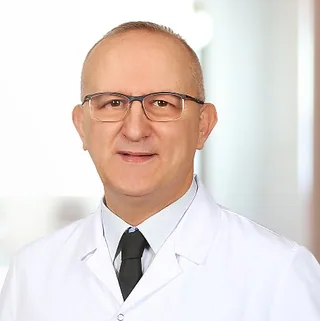
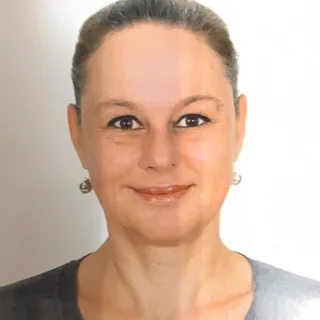
Tahsin Yakut
Professor · Медицинская генетика
Bahçeşehir University Medical Park Göztepe Hospital · Kadıköy, İstanbul
- Education
- Graduated from Uludag University Faculty of Medicine in 1989
- Training
- Specialty training in Medical Genetics at Uludag University Faculty of Medicine (2002)
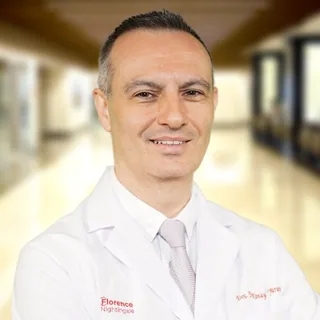
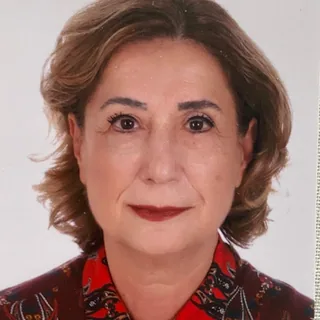
Kanay Yararbaş
Professor · Медицинская генетика
Gayrettepe Florence Nightingale Hospital · Beşiktaş, İstanbul
- Experience
- 20 years
- Experience
- 23 years
- Education
- Graduated from Ankara University Faculty of Medicine in 1999
- Training
- Specialty training in Medical Biochemistry at Ankara University Faculty of Medicine (2008)
- Clinical interests
- Genetic diagnosis of rare diseases, prenatal and postnatal cytogenetic and molecular genetic diagnosis, genetic counseling
- Experience
- 33 years
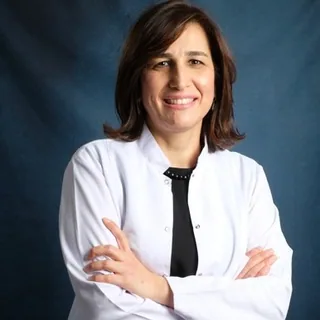
Özlem Tandoğdu
M.D. Specialist · Медицинская генетика
Izmir Genetic Disease Evaluation Center · Konak, İzmir
- Experience
- 1 year
- Experience
- 1 year
- Education
- Medical degree, Ege University Faculty of Medicine (1976)
- Training
- Specialty training in Bacteriology and Infectious Diseases
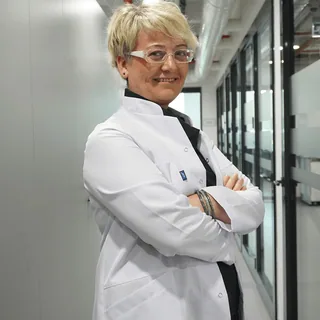
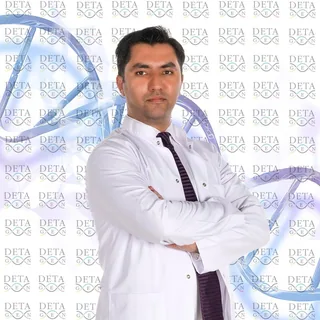
Mehmet Burak Mutlu
M.D. Specialist · Медицинская генетика
Deta-Gen Genetic Diseases Evaluation Center · Melikgazi, Kayseri
- Experience
- 23 years
- Experience
- 20 years
- Education
- Graduated from Süleyman Demirel University Faculty of Medicine
- Clinical interests
- Dysmorphology, Clinical genetics, Reproductive genetics, Neurogenetics, Cytogenetic applications, Next-generation sequencing, and 1 more
- Experience
- 50 years
- Experience
- 24 years
- Clinical interests
- Molecular cancer, Molecular genetics, Prenatal genetics
- Memberships
- Member of the European Cytogeneticists Association
- Member of the European Association for Cancer Research
- Member of the Turkish Biochemical Society
- and 2 more
- Languages
- English
- Experience
- 3 years
Lamıya Alıyeva
Doctor · Медицинская генетика
Acıbadem University Atakent Hospital · Küçükçekmece, İstanbul
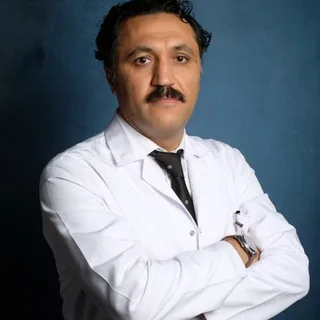
Hasan Baş
M.D. Specialist · Медицинская генетика
İntergen Genetic and Rare Diseases Diagnosis, Research and Application Center · Çankaya, Ankara
- Experience
- 11 years
- Education
- Graduated from Hacettepe University Faculty of Medicine in 2015
- Training
- Specialty training in Medical Genetics at Eskisehir Osmangazi University Faculty of Medicine (2016-2020)
- Short-term visiting student in Pediatrics at Hacettepe University Faculty of Medicine
- Short-term visiting student in Medical Genetics at Koc University Faculty of Medicine
- and 1 more
- Clinical interests
- Molecular genetics, Next-generation sequencing, Variant interpretation, Clinical dysmorphology, Developmental genetics, Neurological disorders, and 4 more
- Languages
- Dutch, English
Hülya Kayserili Karabey
Professor · Медицинская генетика
Koç University Hospital · Zeytinburnu, İstanbul
Bilgin Kütükcü
M.D. Specialist · Медицинская генетика
Omega-Pro Genetic Diseases Evaluation Center · Çankaya, Ankara
- Experience
- 20 years
- Experience
- 26 years
Where they practise
The hospitals and clinics where the most doctors on this list work.
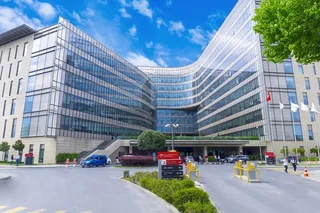
Koç University Hospital
Университетская больница (фонд) · Zeytinburnu, İstanbul
3 doctors on this list
Foundation university hospital opened in 2014, part of VKV Health Institutions, with transplant, cancer, IVF and robotic surgery centers.
Koç University Hospital opened in 2014 as a foundation university hospital.
It belongs to VKV Health Institutions, the Vehbi Koç Foundation health group, which comprises 3 facilities.
- Founded
- 2014
- Doctors listed
- 221
- Group or operator
- Part of VKV Health Institutions (Vehbi Koç Foundation)
- Technology
- Da Vinci robotic surgery system, PET/CT, SPECT/CT, 3 Tesla MRI, Angiography, Endoscopic ultrasound (EUS)
- For international patients
- Transfer service
- Translation service
- Languages
- Albanian, Arabic, Bosnian, Bulgarian, English, French, German, Greek, Persian, Romanian, Russian, Serbian, Ukrainian, Uzbek
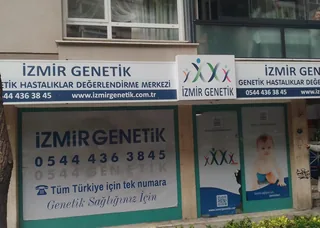
Izmir Genetic Disease Evaluation Center
Центр генетической диагностики · Konak, İzmir
2 doctors on this list
Genetic diagnosis centre in İzmir offering NIPT, whole exome and genome sequencing, carrier screening and cancer genetics testing.
The centre is the newest step of İzmir Genetik, which describes providing health services since 1991, adding İzmir Genetik Araştırma in 2015 and the current centre in 2021.
The research arm, İzmir Genetik Araştırma, was founded in İzmir in 2015 by Akın Sevinç.
- Founded
- 2021
- Doctors listed
- 2
- Group or operator
- Part of İzmir Genetik: services since 1991, İzmir Genetik Araştırma since 2015, current centre since 2021
- Technology
- MGI DNBseq sequencing technology (used for alfaPLUS NIPT)
- For international patients
- Greeting at Istanbul Airport and help with transfer to İzmir (by prior arrangement)
- Languages
- English

LES Mikrogen Genetic Diagnosis Center
Центр генетической диагностики · Çankaya, Ankara
2 doctors on this list
Mikrogen genetic center in Ankara, founded 2005: PGT-A/M/SR, carrier screening, rare disease panels, cancer genetics, NGS and FISH methods.
Mikrogen's Ankara center focuses on reproductive genetics, rare diseases and cancer genetics.
The official record lists it as a private genetic disease evaluation center founded in 2005.
- Founded
- 2005
- Doctors listed
- 2
- Group or operator
- Part of Mikrogen, which operates in Ankara and Istanbul
- Technology
- Fluorescence in situ hybridization (FISH), Next-generation sequencing (NGS), Sanger sequencing
- For international patients
- Holds health tourism authorization number ST-0626
- Translation service
- Languages
- Albanian, Arabic, English, French, Italian, Persian, Russian, Spanish

JCI-accredited university hospital in İstanbul: 262 beds, transplant and oncology centers, robotic surgery and a Health Point international unit.
Acıbadem Atakent Hospital holds the JCI Academic Medical Center Hospital accreditation.
The hospital states that it serves as the university hospital of Acıbadem Mehmet Ali Aydınlar University.
- Founded
- 2013
- Doctors listed
- 57
- Capacity
- 262 beds
- 12 operating rooms
- Group or operator
- Part of Acıbadem Healthcare Group
- Technology
- Da Vinci robotic surgery system, Radiation oncology: TrueBeam, VitalBeam and Radixact, PET-CT and SPECT-CT for diagnosis and treatment planning, 3 Tesla and 1,5 Tesla MRI, Low-dose CT, 3D tomosynthesis digital mammography, Digital angiography, Endoscopic ultrasound (EUS)
- For international patients
- Holds a health tourism authorization certificate (no. ST-0562)
- Health Point unit serving international patients in 16 languages
- Transfer service
- Translation service
- Awards
- Baby-Friendly Hospital title
- Neonatal Intensive Care Friendly Hospital title
- Languages
- Albanian, Arabic, Bosnian, Bulgarian, English, French, Georgian, Romanian, Russian, Serbian
- Accreditations
- JCI

Bahçeşehir University Medical Park Göztepe Hospital
Университетская больница (фонд) · Kadıköy, İstanbul
1 doctor on this list
JCI-accredited foundation university hospital in Kadıköy, İstanbul, part of MLPCare, with a cancer hospital, kidney transplant center and 64 ICU beds.
Bahçeşehir Üniversitesi Medical Park Göztepe Hastanesi includes a cancer hospital within its complex, where medical oncology, radiation oncology, cancer surgery, genetics, complementary medicine, psychology and nutrition are brought together under one roof.
Patients of the cancer hospital can also receive consultations from the general hospital for their diagnosis and treatment.
- Founded
- 2008
- Doctors listed
- 49
- Capacity
- 9 operating rooms
- Group or operator
- Part of MLPCare Health Services Group
- Technology
- PET/CT, SPECT/CT, 3 Tesla MRI, Intraoperative 3 Tesla MRI, Single dose radiotherapy, 3D tomosynthesis mammography, 4D breast ultrasonography, Angiography, and 2 more
- For international patients
- Holds health tourism authorization number ST-0122
- Serves patients coming from abroad
- Languages
- Albanian, Arabic, Bosnian, Bulgarian, English, French, Georgian, Persian, Romanian, Russian, Serbian, Uzbek
- Accreditations
- JCI
Questions about this list
How many medical geneticists in Türkiye are listed?
18 medical geneticists in Türkiye are listed on Medicaltour, practising at 14 private hospitals and clinics that hold the Ministry of Health's health-tourism authorization.
Who are the most experienced medical geneticists in Türkiye?
By the years of experience reported on HealthTürkiye: İlhan Sezgin (50 years), Ceyhan Sayar (33 years) and Zerrin Çelik (26 years).
Where do medical geneticists in Türkiye practise?
They practise at 14 private hospitals and clinics that hold the Ministry of Health's health-tourism authorization. The most doctors on this list work at Koç University Hospital (3), Izmir Genetic Disease Evaluation Center (2) and LES Mikrogen Genetic Diagnosis Center (2).
How many medical geneticists in Türkiye are professors?
Of the 18 listed, 6 hold the title of professor, as registered on HealthTürkiye.
Which languages do medical geneticists in Türkiye speak?
Languages stated for individual doctors on their clinics' websites: English (2), Dutch (1).
Which cities have the most medical geneticists in Türkiye?
By the city on the Ministry of Health's list: Istanbul (8), Ankara (5), Izmir (3), Bursa (1), Kayseri (1).
About this specialty
In EnglishMedical genetics studies how genes passed from parents shape health, and uses tests that check DNA for changes.
What this specialty covers
Genetics is the study of heredity, which is how certain genes pass from parents to children. Genes play some part in almost every disease. Genetic diseases are grouped as single-gene variants, chromosomal conditions or multifactorial disorders. Many common illnesses involve several genes acting together with environmental factors.1
When one parent has an autosomal dominant disease, each child has a 50% chance of inheriting it. Two carrier parents have, on average, a 25% chance per pregnancy of an affected child. Genetic testing looks for DNA changes, called variants or mutations, mainly to diagnose rare and inherited conditions and some cancers.1,2,3
Who it is usually for
Testing may be offered when a relative has a condition caused by gene changes, or when close relatives have had a cancer that could be inherited. It may also be considered when a person or their partner has a condition children could inherit. For most genetic conditions, couples hoping to conceive are advised to have genetic counselling.1,3
When parents are related by blood, a child is more likely to have a recessive disease, and rare genetic conditions present at birth become more common. The chance of a chromosomal abnormality such as Down syndrome rises as the mother gets older.1,4
What a visit usually involves
Most testing is arranged by a health care provider, which is called clinical testing. The sample is usually blood or saliva, but hair, skin, amniotic fluid (the fluid around a fetus) or other tissue can be used. In cancer, a tumour sample already removed during treatment may be tested.2,3
Genome sequencing reads all of a person's DNA, while exome sequencing reads only the parts that carry instructions for making proteins. Carrier testing shows whether someone holds a gene for a disease their children could inherit. In high-risk pregnancies, chorionic villus sampling or amniocentesis can detect chromosomal abnormalities in a fetus. Pharmacogenomic testing helps guide the choice of medicine and dose.2,4
Treatment and follow-up
Results can take weeks or months depending on the reason for testing, and further tests may follow. A genetic counsellor may then explain what the findings mean for the person and their family. If a gene change linked to a condition is found, relatives may be advised to be tested too.3
Results can help a doctor plan how a genetic condition is managed or monitored. People found to be at higher risk may be screened earlier and more often.2
Risks to discuss with your doctor
Genetic testing carries little physical risk, but it can bring emotional, social or financial downsides. Some people feel anger, depression, anxiety or guilt after their results. A test cannot show whether symptoms will appear, how serious a disease may become, or whether it will worsen.2
Results may be inconclusive or unclear, though doctors may understand them better later. Some tests reveal unexpected findings, such as a raised risk of an unrelated condition. A test may also uncover facts about relatives that were not known before, such as adoption or biological parentage.2,3
Questions to ask a clinic
- What are the risks and benefits of genetic testing in my situation?3
- What results could this test give, and what would each one mean?3
- How might my relatives be affected if a serious condition runs in the family?3
- What is the chance my partner and I could pass a condition on to our children?3
- Can you point me to relevant patient support groups?3
Not sure who to choose?
Describe what you need and we pass your request to suitable authorized providers so a quote can be prepared. It does not commit you to anything.
Запросить предложениеOther specialties
- Dentists in Türkiye (4 241)
- Internal medicine specialists in Türkiye (1 314)
- Gynecologists and obstetricians in Türkiye (1 170)
- Pediatricians in Türkiye (914)
- ENT specialists in Türkiye (892)
- Ophthalmologists in Türkiye (821)
- General surgeons in Türkiye (806)
- Plastic surgeons in Türkiye (767)
- Orthopedic surgeons in Türkiye (699)
- Anesthesiologists in Türkiye (674)
- Oral and maxillofacial surgeons in Türkiye (605)
- Radiologists in Türkiye (528)
Specialty is the department each doctor is registered in on HealthTürkiye, the official health-tourism portal.