Hematologists in Türkiye
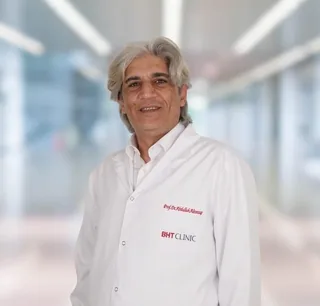
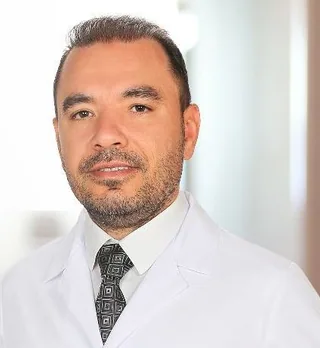
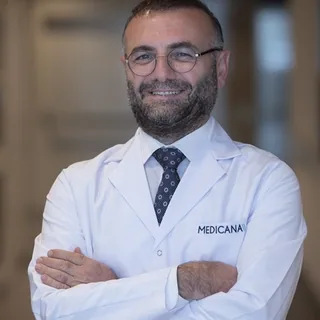
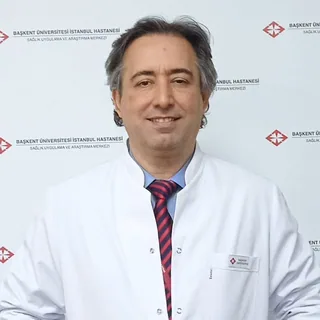
74 hematologists in Türkiye are listed on Medicaltour, practising at 55 private hospitals and clinics that hold the Ministry of Health's health-tourism authorization.
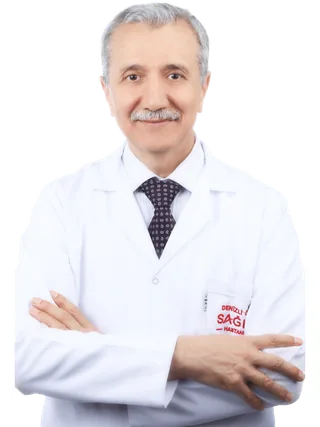
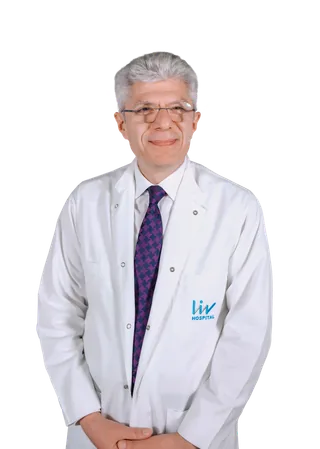
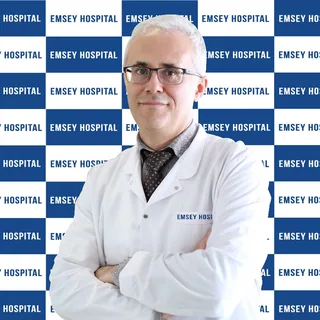
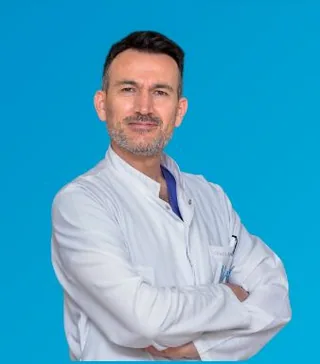
39 hold the title of professor. 15 are associate professors. 38 report 20 or more years of experience. 2 have education or training abroad stated on their clinic's website. Languages stated: English (2). By city: Istanbul (40), Ankara (10), Izmir (9), Antalya (3), Gaziantep (3), Kocaeli (3).
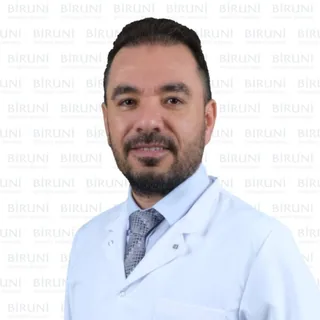
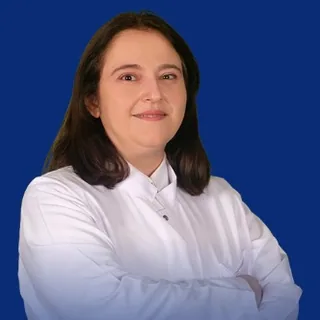
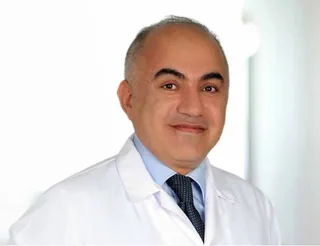
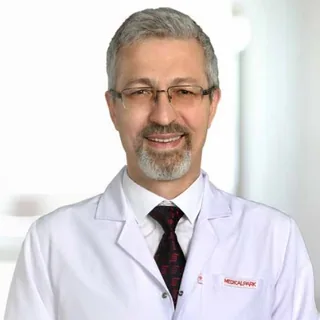
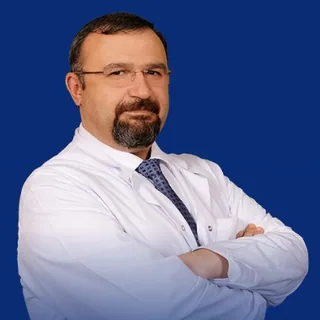
Ali Hakan Kaya
Professor · Гематология
Biruni University Faculty of Medicine Hospital · Küçükçekmece, İstanbul
- Experience
- 21 years
- Experience
- 36 years
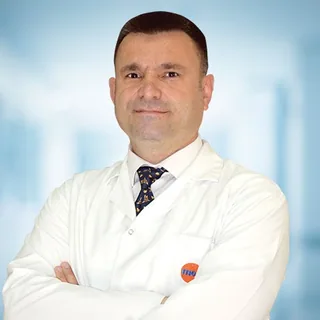
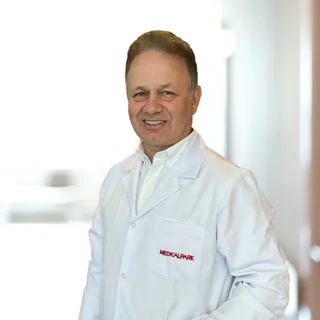
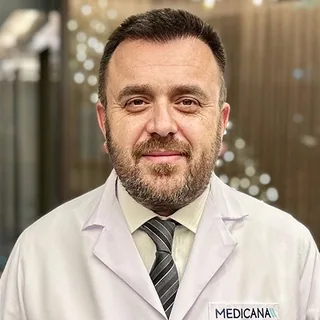
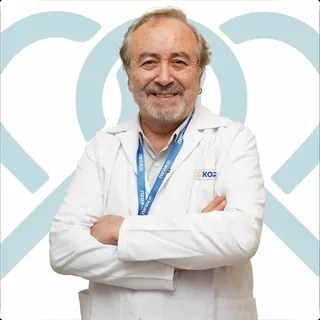
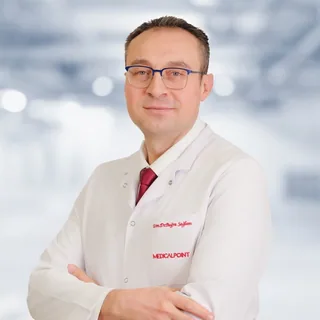
Tunç Fisgin
Professor · Гематология
Altınbaş University Medical Park Bahçelievler Hospital · Bahçelievler, İstanbul
- Education
- Graduated from Uludag University Faculty of Medicine in 1992
- Training
- Fellowship in Pediatric Hematology and Oncology at Dr. Sami Ulus Children's Hospital, Ankara, Turkey (1999-2002)
- Clinical interests
- Pediatric hematology and oncology, Pediatric bone marrow transplantation, Leukemia, Hemophilia, Thalassemia
- Memberships
- Member of Turkish Society of Pediatrics
- Member of Turkish Society of Hematology
- Member of Turkish Society of Pediatric Hematology
- Treatments
- Аллогенный забор костного мозга, Трансплантация костного мозга, Трансплантация стволовых клеток костного мозга для пациентов с такими заболеваниями крови, как недостаточность костного мозга, апластическая анемия, и такой разновидностью недостаточности костного мозга, наблюдаемая у пожилых людей, как болезнь МДС
- Experience
- 32 years
- Education
- Graduated from Medical School of GMMA in 1988
- Training
- Specialty training in Internal Medicine at GMMA (1984-1988)
- Fellowship in Hematology at GMMA (2000-2002)
- Clinical interests
- Internal medicine, Hematology, Marrow transplantation, Leukemias, Bleeding disorders
- Memberships
- Member of Turkish Society of Hematology
- Member of Hematology Specialists Association
- Member of Society of Geriatric Hematology
- and 1 more
- Experience
- 30 years
- Education
- Graduated from Ankara University in 1997
- Training
- Residency at Uludag University School of Medicine (2000-2008)
- Subspecialty training at Uludag University School of Medicine (2003-2011)
- Clinical interests
- Pediatric bone marrow transplantation, Leukemia and lymphoma, Pediatric hemorrhagic diseases, Anemia, Iron deficiency and vitamin deficiencies
- Education
- Studied at Gülhane Military Medical Academy Faculty of Military Medicine (1993-2000)
- Training
- Specialty training in Internal Medicine at Gülhane Military Medical Academy (2003-2007)
- Subspecialty training in Hematology at Gazi University Faculty of Medicine, Ankara (2014-2017)
- Experience
- 7 years
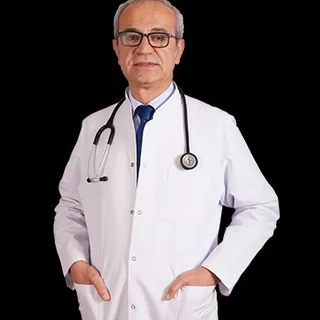
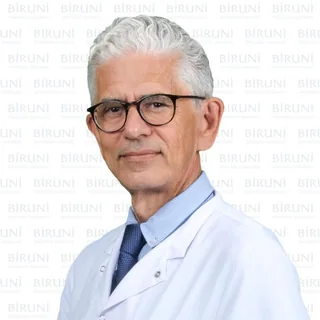
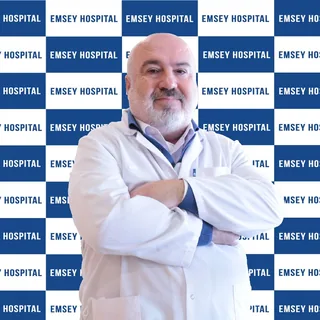
Hilmi Apak
Professor · Гематология
Biruni University Faculty of Medicine Hospital · Küçükçekmece, İstanbul
- Experience
- 40 years
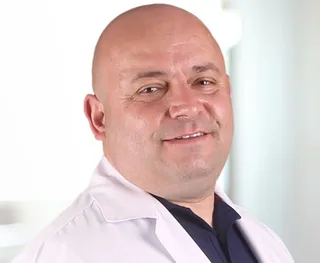
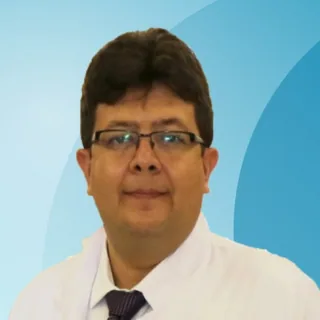
Burhan Turgut
Professor · Гематология
Altınbaş University Medical Park Bahçelievler Hospital · Bahçelievler, İstanbul
- Education
- Graduated from Istanbul University Cerrahpaşa School of Medicine in 1992
- Training
- Specialty training in Internal Medicine at Istanbul University Cerrahpaşa School of Medicine (1992-1997)
- Fellowship in Hematology at Trakya University School of Medicine (2000)
- Clinical interests
- Bone marrow transplant
- Treatments
- Аллогенный забор костного мозга, Трансплантация костного мозга, Трансплантация стволовых клеток костного мозга для пациентов с такими заболеваниями крови, как недостаточность костного мозга, апластическая анемия, и такой разновидностью недостаточности костного мозга, наблюдаемая у пожилых людей, как болезнь МДС
- Experience
- 31 years
- Education
- Graduated from Istanbul University Cerrahpaşa Faculty of Medicine in 2001
- Training
- Specialty training in Internal Medicine at Bakırköy Dr. Sadi Konuk Training and Research Hospital (2002-2007)
- Specialty training in Hematology at Dr Abdurrahman Yurtarslan Oncology Training and Research Hospital (2009-2013)
- Clinical interests
- Lymphoma, Acute and chronic leukemias, Multiple myeloma, Thrombocytopenias, Thrombosis, Anemia, and 1 more
- Experience
- 31 years
- Experience
- 36 years
Alpay Yeşilaltay
Associate Professor · Гематология
Başkent University Istanbul Health Research and Application Center · Üsküdar, İstanbul
- Experience
- 5 years
- Experience
- 31 years
Seçkin Çağırgan
Doctor · Гематология
Izmir University of Economics Medicalpoint Hospital · Karşıyaka, İzmir
- Experience
- 35 years
- Education
- Graduated from Ege University Faculty of Medicine in 1985
- Training
- Specialty training in Internal Medicine at Ege University Faculty of Medicine (1991)
- Specialty training in Hematology at Ege University Faculty of Medicine (1995)
- Memberships
- Member of Turkish Society of Hematology
- Member of Turkish Society of Apheresis
- Member of Turkish Medical Association
- and 1 more
- Languages
- English
Rafet Eren
Professor · Гематология
Biruni University Faculty of Medicine Hospital · Küçükçekmece, İstanbul
- Experience
- 19 years
- Experience
- 25 years
Ceyhun Bozkurt
Professor · Гематология
Altınbaş University Medical Park Bahçelievler Hospital · Bahçelievler, İstanbul
- Education
- Graduated from Cerrahpaşa Faculty of Medicine in 1989
- Training
- Specialty training in Pediatrics at Dr Sami Ulus Pediatrics Training and Research Hospital (1990-1995)
- Specialization in Pediatric Oncology at Dr Sami Ulus Children's Hospital (2000-2004)
- Observership in pediatric stem cell transplantation at Cincinnati University Children's Hospital, Pediatric Stem Cell Transplant Center, Cincinnati, USA (2008-2009)
- and 1 more
- Clinical interests
- Bone marrow transplantation, Childhood cancer, Leukemia, Vesicular anomalies, Vesicular disorders
- Memberships
- Member of National Pediatrics Association
- Member of Turkish Pediatric Oncology Group Association (TPOG)
- Member of Turkish Pediatric Hematology Group Pediatric KIT Sub Group
- and 2 more
- Treatments
- Аллогенный забор костного мозга, Трансплантация костного мозга, Трансплантация стволовых клеток костного мозга для пациентов с такими заболеваниями крови, как недостаточность костного мозга, апластическая анемия, и такой разновидностью недостаточности костного мозга, наблюдаемая у пожилых людей, как болезнь МДС
- Experience
- 23 years
- Experience
- 36 years
- Education
- Graduated from Hacettepe University School of Medicine in 1985
- Training
- Specialty training in Internal Medicine at Ege University School of Medicine (1990)
- Doctorate in Hematology and Molecular Hematology at Mie School of Medicine, Japan (1995)
- Clinical interests
- Stem cell transplantation, Treatment of lymphoma, Bleeding disorders, Treatment of other hematologic diseases, Diagnosis and treatment of acute leukemia
- Publications
- 41 articles and case reports published in SCI-indexed journals
- Experience
- 15 years
- Education
- Graduated from Ege University Faculty of Medicine in 2005
- Training
- Specialty training in Internal Medicine at Pamukkale University (2006-2011)
- Subspecialty training in Hematology at Pamukkale University (2011-2014)
- Clinical interests
- Chronic leukemia, Chronic myeloproliferative diseases, Lymphoma, Multiple myeloma
- Memberships
- Member of Turkish Society of Hematology
- Member of The Society of Hematological Education and Research
- Publications
- 32 articles published in international peer-reviewed journals
- Experience
- 37 years
- Education
- Ankara University Faculty of Medicine, 1976-1982
- Clinical interests
- Hodgkin lymphoma
- Experience
- 26 years
- Experience
- 26 years
- Experience
- 21 years
- Education
- Graduated from Gülhane Military Medical Faculty in 2005
- Training
- Specialty training in Internal Medicine at Necmettin Erbakan University Meram Faculty of Medicine, Konya (2012-2016)
- Subspecialty training in Hematology at Dışkapı Yıldırım Beyazıt Training and Research Hospital, Ankara (2018-2021)
- Memberships
- Member of the Turkish Medical Association
- Member of the Turkish Society of Hematology
- Member of the Blood and Marrow Transplantation Society
- Experience
- 4 years
Where they practise
The hospitals and clinics where the most doctors on this list work.
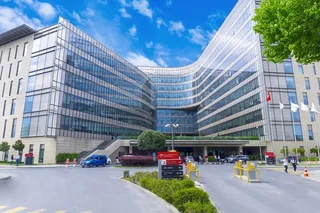
Koç University Hospital
Университетская больница (фонд) · Zeytinburnu, İstanbul
4 doctors on this list
Foundation university hospital opened in 2014, part of VKV Health Institutions, with transplant, cancer, IVF and robotic surgery centers.
Koç University Hospital opened in 2014 as a foundation university hospital.
It belongs to VKV Health Institutions, the Vehbi Koç Foundation health group, which comprises 3 facilities.
- Founded
- 2014
- Doctors listed
- 221
- Group or operator
- Part of VKV Health Institutions (Vehbi Koç Foundation)
- Technology
- Da Vinci robotic surgery system, PET/CT, SPECT/CT, 3 Tesla MRI, Angiography, Endoscopic ultrasound (EUS)
- For international patients
- Transfer service
- Translation service
- Languages
- Albanian, Arabic, Bosnian, Bulgarian, English, French, German, Greek, Persian, Romanian, Russian, Serbian, Ukrainian, Uzbek
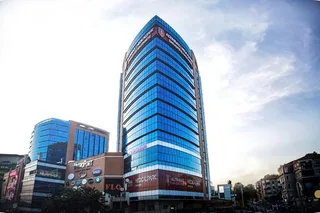
Altınbaş University Medical Park Bahçelievler Hospital
Университетская больница (фонд) · Bahçelievler, İstanbul
3 doctors on this list
JCI-accredited MLPCare hospital in Bahçelievler, İstanbul with 242 beds, PET/CT, Gamma Knife, bone marrow transplant and translation services.
Prof. Burhan Turgut is a hematologist whose treatment list includes bone marrow transplant.
- Founded
- 2022
- Doctors listed
- 40
- Capacity
- 242 beds
- Group or operator
- Part of MLPCare Health Services Group
- Technology
- PET/CT, 3 Tesla MRI, Intraoperative 3 Tesla MRI, Single-dose radiotherapy, 3D tomosynthesis mammography, Angiography, Endoscopic ultrasound (EUS), Cone beam computed tomography (CBCT)
- For international patients
- Translation service
- Transfer service
- Accommodation consultancy service
- Languages
- Albanian, Arabic, Bosnian, Bulgarian, English, French, Georgian, German, Persian, Romanian, Russian, Serbian, Somali, Ukrainian, Urdu, Uzbek
- Accreditations
- JCI
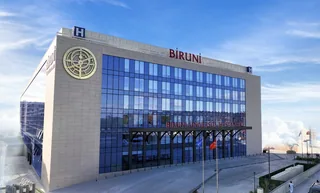
Biruni University Faculty of Medicine Hospital
Университетская больница (фонд) · Küçükçekmece, İstanbul
3 doctors on this list
University hospital with organ and bone marrow transplant centers, IVF, oncology, 20 operating rooms and 100 intensive care beds.
Biruni University Faculty of Medicine Hospital reports that it has carried out its 200th adult bone marrow transplant, and it runs separate bone marrow centers for adults and children.
As the Faculty of Medicine hospital of Biruni University, it operates as a foundation university hospital, and the official record gives 2016 as its founding year.
- Founded
- 2016
- Doctors listed
- 23
- Capacity
- 20 operating rooms, 1 of them hybrid
- Group or operator
- Faculty of Medicine hospital of Biruni University
- Technology
- SPECT-CT, PET/CT, 3 Tesla MRI, Angiography, Ultrasonography, Panoramic dental X-ray
- For international patients
- Health tourism authorization number ST-0151
- Transfer service
- Translation service
- Languages
- Albanian, Arabic, English, French, German, Persian, Russian, Serbian
- Accreditations
- ISO 10002, TEMOS
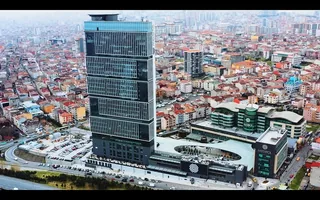
Medipol Mega University Hospital in Bağcılar: JCI-accredited, 810 beds, robotic surgery, CyberKnife and TrueBeam radiotherapy, heliport.
The hospital opened in Bağcılar in 2012 under the title Medipol Mega Hospitals Complex and now operates as Medipol Mega University Hospital.
It is a private hospital belonging to the Medipol Education and Healthcare Group.
- Founded
- 2012
- Doctors listed
- 26
- Capacity
- 810 beds
- Group or operator
- Medipol Education and Healthcare Group
- Technology
- HIFU (High Intensity Focused Ultrasound) system, Operating rooms equipped with camera infrastructure and remote access, Pyxis PARX automated medication dispensing and replenishment system, Da Vinci robotic surgery system, CyberKnife, TrueBeam, RapidArc Trilogy, Intraoperative 3 Tesla MRI, and 6 more
- For international patients
- Heliport at the hospital front enabling domestic and international patient transfer
- Translation service
- Transfer service
- Accommodation consultancy service
- and 2 more
- Languages
- Albanian, Arabic, Armenian, Belarusian, Bosnian, Bulgarian, Chinese, Dutch, English, French, Georgian, German, Greek, Hindi, Italian, Japanese, Korean, Malay, Persian, Romanian, Russian, Serbian, Somali, Spanish, Ukrainian, Urdu, Uzbek
- Accreditations
- JCI
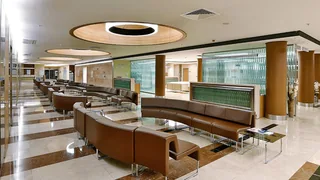
Acıbadem International Hospital: 112 beds, 26 intensive care beds, kidney transplantation, IVF center, 3 Tesla MRI and international patient services.
The hospital was founded in 1989 and joined the Acıbadem Healthcare Group in 2005.
It has operated under the name Acıbadem International Hospital since 2014.
- Founded
- 1989
- Doctors listed
- 79
- Capacity
- 112 beds
- Group or operator
- Acıbadem Healthcare Group
- Technology
- Cardiac catheterization laboratory, 3 Tesla MRI, Ultrasonography
- For international patients
- Health tourism authorization certificate (ST-0377)
- Translation service
- Transfer service
- Medical records and imaging reviewed before travel; written treatment plan and cost estimate provided
- and 2 more
- Languages
- Arabic, English, French, Russian
Questions about this list
How many hematologists in Türkiye are listed?
74 hematologists in Türkiye are listed on Medicaltour, practising at 55 private hospitals and clinics that hold the Ministry of Health's health-tourism authorization.
Who are the most experienced hematologists in Türkiye?
By the years of experience reported on HealthTürkiye: Filiz Büyükkeçeci (48 years), Zafer Gülbaş (48 years) and İsmet Aydoğdu (44 years).
Where do hematologists in Türkiye practise?
They practise at 55 private hospitals and clinics that hold the Ministry of Health's health-tourism authorization. The most doctors on this list work at Koç University Hospital (4), Altınbaş University Medical Park Bahçelievler Hospital (3) and Biruni University Faculty of Medicine Hospital (3).
How many hematologists in Türkiye are professors?
Of the 74 listed, 39 hold the title of professor and 15 are associate professors, as registered on HealthTürkiye.
How many hematologists in Türkiye trained abroad?
2 have education or training abroad stated on their clinic's website. Countries stated: Japan (1), United States (1).
Which languages do hematologists in Türkiye speak?
Languages stated for individual doctors on their clinics' websites: English (2).
Which cities have the most hematologists in Türkiye?
By the city on the Ministry of Health's list: Istanbul (40), Ankara (10), Izmir (9), Antalya (3), Gaziantep (3), Kocaeli (3).
About this specialty
In EnglishHematology covers disorders of the blood, from anemia and clotting problems to blood cancers.
What this specialty covers
Hematology deals with blood disorders. These are conditions that involve one or more components of the blood and stop it from working properly. Some start suddenly (acute), while others last a long time (chronic). Many are passed down in families. Others can result from a different illness, a side effect of medication or a diet short of certain nutrients.1
Blood has a solid part, made up of red cells, white cells and platelets. It also has a liquid part called plasma, which holds water, salts and protein. These cells are formed in the bone marrow, the soft tissue inside bones. Red cells contain hemoglobin, a protein that carries oxygen, and a healthy red cell normally survives for 90 to 120 days.1,2
Conditions in this field include clotting problems such as platelet disorders, excessive clotting and bleeding problems. Blood cancers like leukemia and myeloma are also included. Eosinophilic disorders, which involve one kind of white blood cell, belong here too. Anemia means the body is short of healthy red cells, and iron deficiency is its most common form. It is considered a sign of one or more other conditions.1,2,3
Who it is usually for
Worldwide, about half a billion women aged 15–49 and 269 million children aged 6–59 months are thought to have anemia. Young children, girls and women who menstruate, and women who are pregnant or have recently given birth are among the groups at greatest risk.3
Some types of anemia run in families, with thalassemia and sickle cell anemia as examples. Disorders of the bone marrow can also cause it, including aplastic anemia, myelodysplasia, lymphoma, leukemia and multiple myeloma. Mild or gradual anemia may cause no symptoms. Others notice general signs such as tiredness, dizziness, headache, breathlessness or cold hands and feet.2,3
What a visit usually involves
A visit usually starts with a physical examination. Blood tests are central. They include a complete blood count, which measures the number of blood cells, and sometimes a reticulocyte count. Tests may also measure iron, folic acid, vitamin B12 and other nutrients in the blood. Further investigations can help find an illness behind the anemia. Anemia is diagnosed when hemoglobin drops below set limits that take age, sex and physiological status into account.2,3,4
For a blood test, a small sample is usually drawn with a needle from the inside of the elbow, and it typically takes about 10 minutes. Some tests require fasting with only water allowed, and some medicines, such as anticoagulants, may have to be paused briefly.4
Treatment and follow-up
Treatment aims at whatever is causing the anemia, and it usually gets better once that condition is treated. A doctor may consider blood transfusions, or corticosteroids and other drugs that calm the immune system. Supplements may also be used, for example iron, folic acid, vitamin B12 or other nutrients. Erythropoietin is a medicine that can help the bone marrow produce more blood cells. Care for inherited red cell disorders such as sickle-cell disease and thalassemia forms part of anemia management.2,3
People taking both calcium and iron supplements are advised to take them at separate times of day. Foods rich in vitamin C help the body take up iron. Follow-up blood tests can show how well a condition is responding to treatment.3,4
Risks to discuss with your doctor
Severe anemia can reduce the oxygen reaching vital organs, including the heart, and may lead to heart failure. In children, severe anemia can hold back cognitive and motor development. During pregnancy, anemia has been linked with premature birth, low birth weight and maternal death.2,3
Blood tests themselves have minor effects: the needle may feel slightly uncomfortable, and any bruising or swelling at the site usually settles within a few days.4
Questions to ask a clinic
- Might further tests be needed after this blood test, and why?4
- Can someone explain my blood test results to me?4
- How long will it take to receive my results?4
- I am nervous about needles; what can be done to help me feel more comfortable?4
- Can I bring a support person with me to the test?4
- How does the underlying cause affect the outlook for anemia in my case?2
Other specialties
- Dentists in Türkiye (4 241)
- Internal medicine specialists in Türkiye (1 314)
- Gynecologists and obstetricians in Türkiye (1 170)
- Pediatricians in Türkiye (914)
- ENT specialists in Türkiye (892)
- Ophthalmologists in Türkiye (821)
- General surgeons in Türkiye (806)
- Plastic surgeons in Türkiye (767)
- Orthopedic surgeons in Türkiye (699)
- Anesthesiologists in Türkiye (674)
- Oral and maxillofacial surgeons in Türkiye (605)
- Radiologists in Türkiye (528)
Specialty is the department each doctor is registered in on HealthTürkiye, the official health-tourism portal.