Allergists and immunologists in Türkiye
26 allergists and immunologists in Türkiye are listed on Medicaltour, practising at 20 private hospitals and clinics that hold the Ministry of Health's health-tourism authorization.
11 hold the title of professor. 9 are associate professors. 8 report 20 or more years of experience. Languages stated: English (1). By city: Istanbul (14), Ankara (4), Izmir (4), Adana (1), Gaziantep (1), Kocaeli (1).
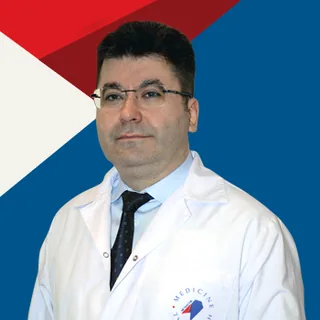
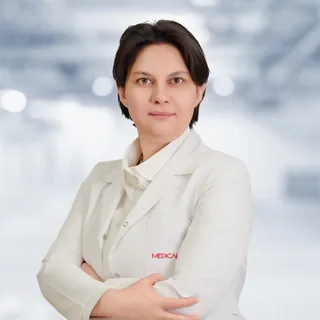
Fatih Dilek
Associate Professor · Детская иммунология и аллергология
Istanbul Atlas University Faculty of Medicine Hospital · Bağcılar, İstanbul
- Experience
- 22 years
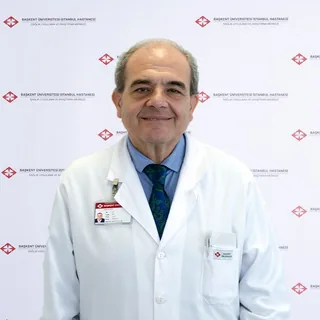
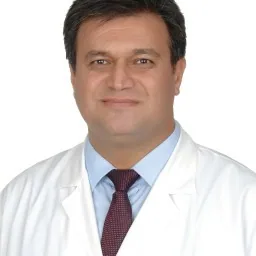
Ali İnal
Professor · Аллергии и иммунологические заболевания
Başkent University Istanbul Health Research and Application Center · Üsküdar, İstanbul
- Experience
- 16 years
- Education
- Graduated from Military School of Medicine, GATA in 1985
- Training
- Specialty training in Clinical Microbiology and Infectious Diseases at GATA (1988-1992)
- Specialty training in Clinical Immunology and Allergy at Ankara University (1993-1995)
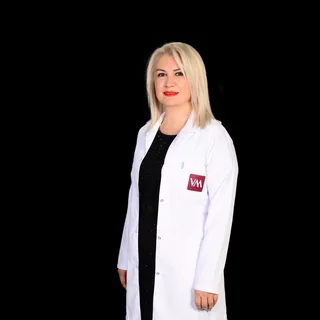
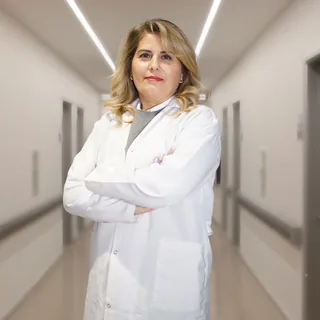
Nazan Tökmeci
M.D. Specialist · Детская иммунология и аллергология
VM Medical Park Mersin Hospital · Mezitli, Mersin
- Experience
- 22 years
- Education
- Graduated from Çukurova University Faculty of Medicine in 2003
- Training
- Specialty training at Ankara Dr. Sami Ulus Obstetrics, Gynecology, and Pediatric Health and Diseases Training and Research Hospital (2004-2009)
- Clinical interests
- Asthma, Allergic Rhinitis, Atopic Dermatitis, Food Allergy, Drug Allergy, Chronic Urticaria, and 2 more
- Memberships
- Member of Turkish National Allergy and Clinical Immunology Society
- Member of Pediatric Allergy and Asthma Academy Society
- Member of Mersin Medical Chamber
- and 1 more
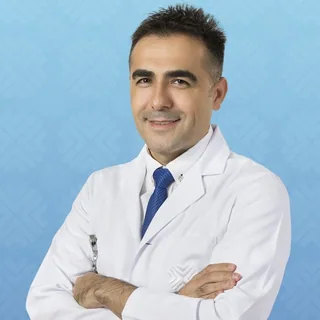
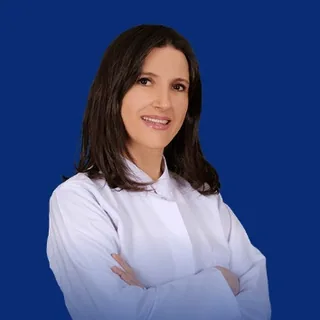
Hikmet Tekin Nacaroğlu
Professor · Детская иммунология и аллергология
Istanbul Medipol University Hospital · Küçükçekmece, İstanbul
- Experience
- 16 years
Tuğba Songül Tat
Professor · Аллергии и иммунологические заболевания
Gaziantep Medicalpoint Hospital · Şehitkâmil, Gaziantep
- Experience
- 15 years
- Education
- Graduated from Gazi University Faculty of Medicine in 2006
- Training
- Specialty training in Internal Medicine at Karadeniz Technical University Faculty of Medicine (2006-2011)
- Subspecialty training in Immunology and Allergy Diseases at Akdeniz University Faculty of Medicine (2014-2017)
- Memberships
- Member of Society of Immunology and Allergy Diseases
- Member of National Society of Allergy and Clinical Immunology of Turkey
- Member of Society of Clinical Immunology
- and 1 more
Mustafa Güleç
Professor · Аллергии и иммунологические заболевания
Ankara Güven Hospital · Çankaya, Ankara
- Experience
- 32 years
Gülten Türkkanı Asal
M.D. Specialist · Детская иммунология и аллергология
Metropol Hospital · Çiğli, İzmir
- Experience
- 29 years
Günseli Bozdoğan
Associate Professor · Детская иммунология и аллергология
Acıbadem Altunizade Hospital · Üsküdar, İstanbul
Pınar Gökmirza
Associate Professor · Детская иммунология и аллергология
Liv Hospital Vadi İstanbul · Sarıyer, İstanbul
- Experience
- 11 years
- Education
- Graduated from Istanbul University Istanbul Faculty of Medicine in 1998
- Training
- Specialty training in Pediatrics at Bakırköy Maternity and Women's & Children's Training and Research Hospital, Istanbul (2003)
- Subspecialty training in Pediatric Immunology and Allergy at Trakya University Faculty of Medicine (2012)
- Visiting researcher at Clinical Research Center for Allergy and Rheumatology, Sagamihara National Hospital, Japan (2022)
- Clinical interests
- Food allergies, Specific allergen immunotherapy, Atopic dermatitis, Drug allergies, Childhood asthma, Allergic rhinitis, and 3 more
Zeynep Ferhan Özşeker
Professor · Аллергии и иммунологические заболевания
Memorial Şişli Hospital · Şişli, İstanbul
- Experience
- 26 years
Sacide Rana Işik
Associate Professor · Аллергии и иммунологические заболевания
Koç University Hospital · Zeytinburnu, İstanbul
Ediz Yeşilkaya
Associate Professor · Детская иммунология и аллергология
Bilgi Hospital · Yenimahalle, Ankara
- Training
- Pediatric endocrinology training at Gazi University
- Clinical interests
- Short stature treatment
Ezgi Topyıldız
Doctor · Детская иммунология и аллергология
Acıbadem Ataşehir Hospital · Ataşehir, İstanbul
- Experience
- 2 years
Özkan Karaman
M.D. Specialist · Детская иммунология и аллергология
Egepol International Hospital · Konak, İzmir
- Experience
- 1 year
Barış Belgin Aktaş
Doctor · Детская иммунология и аллергология
Acıbadem University Atakent Hospital · Küçükçekmece, İstanbul
- Experience
- 48 years
Fatih Çiçek
Doctor · Детская иммунология и аллергология
VM Medical Park Gebze Hospital · Gebze, Kocaeli
- Experience
- 14 years
Gülderen Yanıkkaya Demirel
Professor · Аллергии и иммунологические заболевания
Yeditepe University Hospital · Ataşehir, İstanbul
- Experience
- 42 years
- Training
- Specialty training in Internal Medicine (Immunology doctoral program) at Marmara University (1999)
- Languages
- English
Uğur Haci Muşabak
Professor · Аллергии и иммунологические заболевания
Başkent University Ankara Hospital · Çankaya, Ankara
Burçin Beken
Associate Professor · Детская иммунология и аллергология
Acıbadem University Atakent Hospital · Küçükçekmece, İstanbul
Burcu Tahire Köksal
Associate Professor · Детская иммунология и аллергология
Başkent University Ankara Hospital · Çankaya, Ankara
- Experience
- 12 years
- Experience
- 52 years
Cansin Saçkesen
Professor · Детская иммунология и аллергология
Koç University Hospital · Zeytinburnu, İstanbul
Ayşe Betül Büyüktiryaki
Associate Professor · Детская иммунология и аллергология
Koç University Hospital · Zeytinburnu, İstanbul
Belgin Usta Güç
Associate Professor · Детская иммунология и аллергология
Ortadoğu Sağlık Hospital · Seyhan, Adana
- Experience
- 14 years
Where they practise
The hospitals and clinics where the most doctors on this list work.
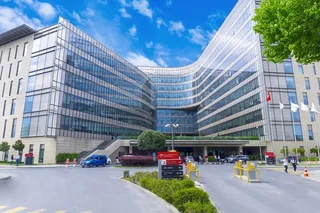
Koç University Hospital
Университетская больница (фонд) · Zeytinburnu, İstanbul
3 doctors on this list
Foundation university hospital opened in 2014, part of VKV Health Institutions, with transplant, cancer, IVF and robotic surgery centers.
Koç University Hospital opened in 2014 as a foundation university hospital.
It belongs to VKV Health Institutions, the Vehbi Koç Foundation health group, which comprises 3 facilities.
- Founded
- 2014
- Doctors listed
- 221
- Group or operator
- Part of VKV Health Institutions (Vehbi Koç Foundation)
- Technology
- Da Vinci robotic surgery system, PET/CT, SPECT/CT, 3 Tesla MRI, Angiography, Endoscopic ultrasound (EUS)
- For international patients
- Transfer service
- Translation service
- Languages
- Albanian, Arabic, Bosnian, Bulgarian, English, French, German, Greek, Persian, Romanian, Russian, Serbian, Ukrainian, Uzbek

JCI-accredited hospital in Çiğli, İzmir with 272 beds, 12 operating rooms, organ and bone marrow transplants, an oncology center, IVF and maternity.
The hospital opened in 2004 and joined Acıbadem Healthcare Group on 14 February 2023.
It has 272 patient beds, 12 operating rooms and 54 intensive care beds.
- Founded
- 2004
- Doctors listed
- 108
- Capacity
- 272 patient beds
- 12 operating rooms
- Group or operator
- Joined Acıbadem Healthcare Group on 14 February 2023
- Technology
- TrueBeam and Ethos radiotherapy systems, 3 Tesla MRI, PET-CT and SPECT-CT, 3D tomosynthesis digital mammography, Da Vinci Xi robotic surgery system, Gamma Knife Esprit, O-Arm surgical imaging system and surgical navigation system, DSA angiography, and 3 more
- For international patients
- Holds health tourism authorization certificate (no. ST-0242)
- Languages
- English, French, German, Persian
- Accreditations
- JCI

JCI-accredited university hospital in İstanbul: 262 beds, transplant and oncology centers, robotic surgery and a Health Point international unit.
Acıbadem Atakent Hospital holds the JCI Academic Medical Center Hospital accreditation.
The hospital states that it serves as the university hospital of Acıbadem Mehmet Ali Aydınlar University.
- Founded
- 2013
- Doctors listed
- 57
- Capacity
- 262 beds
- 12 operating rooms
- Group or operator
- Part of Acıbadem Healthcare Group
- Technology
- Da Vinci robotic surgery system, Radiation oncology: TrueBeam, VitalBeam and Radixact, PET-CT and SPECT-CT for diagnosis and treatment planning, 3 Tesla and 1,5 Tesla MRI, Low-dose CT, 3D tomosynthesis digital mammography, Digital angiography, Endoscopic ultrasound (EUS)
- For international patients
- Holds a health tourism authorization certificate (no. ST-0562)
- Health Point unit serving international patients in 16 languages
- Transfer service
- Translation service
- Awards
- Baby-Friendly Hospital title
- Neonatal Intensive Care Friendly Hospital title
- Languages
- Albanian, Arabic, Bosnian, Bulgarian, English, French, Georgian, Romanian, Russian, Serbian
- Accreditations
- JCI
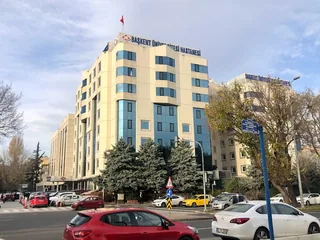
Başkent University Ankara Hospital
Университетская больница (фонд) · Çankaya, Ankara
2 doctors on this list
University hospital in Ankara with centres for organ transplantation, IVF and genetic diseases, Da Vinci robotic surgery and CyberKnife.
Başkent University Hospitals trace their origins to 1982, when the Hemodialysis Centre of the Turkish Organ Transplantation and Burn Treatment Foundation formed their basis.
The Ankara hospital is a university hospital operating within Başkent University, whose founding rector was Prof. Dr. Mehmet Haberal.
- Founded
- 1994
- Doctors listed
- 54
- Capacity
- 501 beds
- 14 operating rooms
- Group or operator
- University hospital operating within Başkent University
- Technology
- SPECT/CT, PET/CT, 3 Tesla MRI, Intraoperative 3 Tesla MRI, Da Vinci robotic surgery system, RapidArc Trilogy, CyberKnife, Tomotherapy HDA, and 7 more
- For international patients
- Translation service
- Transfer service
- Travel insurance consultancy service
- Languages
- Arabic, English, French, German, Persian, Russian, Somali
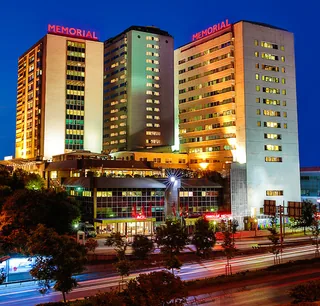
Memorial Şişli Hospital: JCI-accredited, 252 beds, 13 operating rooms, organ transplant, oncology, IVF and robotic surgery centers.
Memorial Şişli Hospital received its first patient in February 2000.
It belongs to the Memorial Healthcare Group, which was established in 1995.
- Founded
- 2000
- Doctors listed
- 48
- Capacity
- 252 beds
- 13 operating rooms
- Group or operator
- Member of Memorial Healthcare Group
- For international patients
- Health tourism authorization number ST-0120
- Awards
- The IVF and Genetics Center was awarded the International Grant for Fertility Innovation Research Award in Germany
- Languages
- Albanian, Arabic, Bosnian, Bulgarian, English, French, Georgian, German, Italian, Persian, Romanian, Russian, Serbian, Somali, Spanish, Ukrainian, Urdu, Uzbek
- Accreditations
- JCI
Questions about this list
How many allergists and immunologists in Türkiye are listed?
26 allergists and immunologists in Türkiye are listed on Medicaltour, practising at 20 private hospitals and clinics that hold the Ministry of Health's health-tourism authorization.
Who are the most experienced allergists and immunologists in Türkiye?
By the years of experience reported on HealthTürkiye: Ayşe Yenigün (52 years), Esen Demir (48 years) and Gülderen Yanıkkaya Demirel (42 years).
Where do allergists and immunologists in Türkiye practise?
They practise at 20 private hospitals and clinics that hold the Ministry of Health's health-tourism authorization. The most doctors on this list work at Koç University Hospital (3), Acıbadem Kent Hospital (2) and Acıbadem University Atakent Hospital (2).
How many allergists and immunologists in Türkiye are professors?
Of the 26 listed, 11 hold the title of professor and 9 are associate professors, as registered on HealthTürkiye.
Which languages do allergists and immunologists in Türkiye speak?
Languages stated for individual doctors on their clinics' websites: English (1).
Which cities have the most allergists and immunologists in Türkiye?
By the city on the Ministry of Health's list: Istanbul (14), Ankara (4), Izmir (4), Adana (1), Gaziantep (1), Kocaeli (1).
About this specialty
In EnglishAllergy and immunology deals with an immune system that overreacts to harmless substances, or one that is too weak or absent to protect the body.
What this specialty covers
An allergy is the immune system reacting to things that are normally harmless. The body's defences are overly sensitive and release chemicals such as histamines, which produce the symptoms. Many people react to more than one substance, and common food triggers include peanuts, milk and eggs. Allergies can worsen eczema, asthma and sinus problems. Anaphylaxis is a sudden, severe reaction that can put life at risk.1,2,3
The specialty also covers immunodeficiency, where the immune response is weaker than normal or missing, and any part of the immune system can be involved. Some forms are inherited, such as combined immunodeficiency affecting both T cells and B cells, while others follow illnesses like HIV/AIDS or malnutrition.4
Who it is usually for
Allergies are more likely when both parents have them. Infections that keep returning, respond poorly to treatment, or are unusually severe can point to immunodeficiency. People with diabetes face a higher risk of certain infections, and immunity tends to weaken with age.1,4
What a visit usually involves
A visit usually starts with a physical examination and questions such as when symptoms appear. Testing helps show whether symptoms come from a true allergy or another problem, and skin tests are the most widely used method. Prick and intradermal tests are checked after 15 minutes, while a patch test for contact allergy is usually checked 48 to 72 hours later.1
Blood tests may measure IgE, a substance linked to allergy. Avoiding or using a suspected item, or a test diet with slowly rising amounts of a food, can show whether symptoms change. For immunodeficiency, tests can include blood immunoglobulin levels, T-cell and B-cell counts, and responses to vaccines.1,3,4
Treatment and follow-up
Staying away from the trigger is a key way to ease symptoms, especially for food and medicine allergies. A specialist may give a written plan for managing the allergy. Antihistamines are sold over the counter or prescribed, and anaphylaxis is treated with epinephrine.1,3
Allergy shots, also called immunotherapy, are sometimes suggested when a trigger cannot be avoided and symptoms are hard to control. Doses rise step by step to a maximum so the body learns to stop over-reacting. Xolair is an injection given monthly or every 2 weeks, depending on a blood test. It does not cure food allergy but can lower the chance of reacting to small amounts. Some children outgrow allergies, especially food allergies.1
Immunodeficiency care aims to prevent infections and treat those that develop. When levels are low, immunoglobulin may be given through a vein (IVIG) or under the skin (SCIG), and bone marrow transplants are used for certain conditions.4
Risks to discuss with your doctor
Nasal decongestant sprays can cause rebound blockage if used for longer than a few days. Decongestants should be used carefully by anyone with raised blood pressure, a heart condition or an enlarged prostate. Allergy medicines may cause drowsiness and other side effects. Allergy shots can cause hives and rash, and sometimes anaphylaxis, which is why they are not used for food allergies.1
Some people are allergic to Xolair, and it may raise the risk of some cancers or heart problems. Immunodeficiency diseases also carry a higher risk of certain cancers or tumours. For anyone on chemotherapy or corticosteroids, a temperature reaching 38°C (100.5°F) is a reason to call their doctor.1,4
Questions to ask a clinic
- Which tests would show whether my symptoms are a true allergy?1
- Is my allergy a type that allergy shots are used for?1
- If I start allergy shots, how often would I visit and for how many years?1
- Which medicine would you suggest given my symptoms, age and overall health?1
- Which newer food allergy treatments do you offer, since this field is changing quickly?1
Other specialties
- Dentists in Türkiye (4 241)
- Internal medicine specialists in Türkiye (1 314)
- Gynecologists and obstetricians in Türkiye (1 170)
- Pediatricians in Türkiye (914)
- ENT specialists in Türkiye (892)
- Ophthalmologists in Türkiye (821)
- General surgeons in Türkiye (806)
- Plastic surgeons in Türkiye (767)
- Orthopedic surgeons in Türkiye (699)
- Anesthesiologists in Türkiye (674)
- Oral and maxillofacial surgeons in Türkiye (605)
- Radiologists in Türkiye (528)
Specialty is the department each doctor is registered in on HealthTürkiye, the official health-tourism portal.