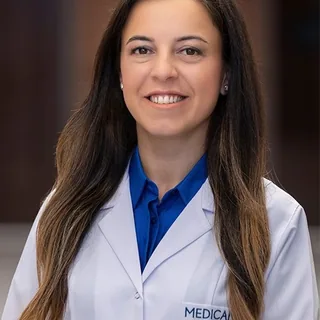
Skin Rejuvenation
Performed by: Dermatology, Aesthetic Medicine
Suitability, technique and cost are decided by a physician after examination.
Performed by: Dermatology, Aesthetic Medicine
Suitability, technique and cost are decided by a physician after examination.
Skin rejuvenation can involve laser surgery and other methods aimed at wrinkles, sun damage and other skin concerns.
In laser surgery, laser energy is directed at the skin to treat it. It may be used for skin conditions as well as for cosmetic concerns, for example wrinkles or sunspots. Depending on the aim, it can soften wrinkles, scars and other blemishes, and it can improve skin texture, cellulite and skin that has loosened with age. Lasers can also clear redness and widened blood vessels, or remove warts, moles, sunspots and tattoos.1
Wrinkles, which doctors call rhytids, are creases that form in the skin. As people get older, the skin thins and loses fat, so it looks less full and less smooth. Genetics, ordinary aging, smoking and time in the sun are among the usual causes of wrinkles. Sunlight plays a major part in skin aging, and long or frequent sun exposure can lead to early wrinkles and dark patches known as liver spots. Smoking-related wrinkling tends to grow the more someone smokes and the longer they have smoked.2,3
Wrinkles are generally not a reason for worry, unless they appear at a young age. Chemical peels, laser resurfacing and dermabrasion are considered to work well when wrinkles are at an early stage. Where some wrinkles come from facial muscles that are too active, botulinum toxin may be an option. A dermatologist, who is a skin specialist, or a plastic surgeon can go over both surgical and non-surgical choices with each person.2
A laser is a beam of light that can be aimed at a very small area. It heats particular cells in the treated area until they burst. Several kinds of laser exist, and each one has its own uses. The colour of the beam is matched to the kind of surgery and to the colour of the tissue being treated. Most laser treatments on the skin are carried out while the patient stays awake.1
At the visit, the provider examines the skin, and a biopsy (taking a small piece of skin for testing) may be needed if there are unusual growths or changes. Besides lasers, creams such as tretinoin or products with alpha-hydroxy acids like glycolic acid may be used for wrinkles. Medicines injected under the skin can fill wrinkles or encourage the skin to produce collagen. For wrinkles linked to aging, plastic surgery such as a facelift is another possibility.2
How long recovery takes depends on the treatment chosen and on the person's general health. After laser treatment, the skin may have to be kept moisturised and shielded from the sun. Sun protection usually means a sunscreen of SPF 15 or higher, covering clothing and staying away from sunlamps and tanning beds. Wearing hats, using sunscreen every day and avoiding smoking, including secondhand smoke, can help limit further wrinkles. Outcomes vary with the condition that is being treated.1,2,3
Laser surgery can cause pain, bruising or swelling. Blisters, burns and scarring are also possible, as are infections. Some people notice changes in skin colour, and the treatment may bring on cold sores. In some cases, the original problem does not go away. It is advisable to go through these risks with a provider before treatment.1
Doctors registered in Dermatology, Aesthetic Medicine in the HealthTürkiye directory. This does not confirm that a doctor performs this treatment.
Professor · Dermatology and Venereal Diseases
Prof. Dr. Arzu Ataseven (Öztürk) – Dermatology · Muratpaşa, Antalya
M.D. Specialist · Dermatology and Venereal Diseases
Rumeli Hospital · Küçükçekmece, İstanbul
Professor · Dermatology and Venereal Diseases
VM Medical Park Samsun Hospital · Atakum, Samsun
Associate Professor · Dermatology and Venereal Diseases
Medicana Ataköy Hospital · Bakırköy, İstanbul
M.D. Specialist · Dermatology and Venereal Diseases
Doku Cerrahi Medical Center · Şişli, İstanbul
Doctors with a profile photo appear first; the rest appear in an order that changes every day. No one pays for their position.
See all 410 doctorsBased on the departments and doctors each facility lists. This does not confirm that a facility performs the treatment.

Private practice · Şişli, İstanbul
Department: Dermatology and Venereal Diseases1 listed doctor
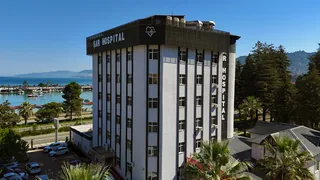

Private practice · Beşiktaş, İstanbul
Department: Dermatology and Venereal Diseases1 listed doctor
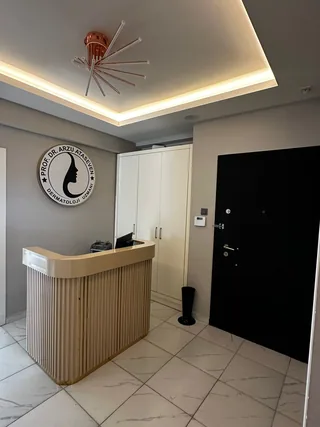
Private practice · Muratpaşa, Antalya
Department: Dermatology and Venereal Diseases1 listed doctor
Hospital · Gebze, Kocaeli
Department: Dermatology and Venereal Diseases28 listed doctors
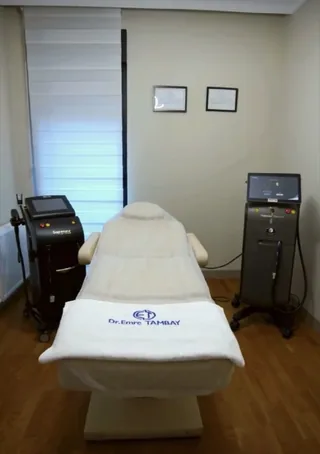
Private practice · Kadıköy, İstanbul
Department: Dermatology and Venereal Diseases1 listed doctor
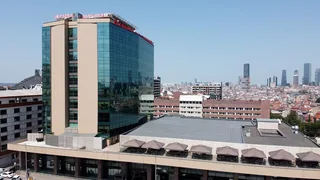
Foundation university hospital · Şişli, İstanbul
Department: Dermatology and Venereal Diseases27 listed doctors
Profiles with more verified information (written profile, photos, listed doctors) appear first. No facility pays for its position. Profiles with the same amount of information appear in an order that changes every day.
See all 364 facilities for this treatment