Dental

Bone Graft

Performed by: Oral and Maxillofacial Surgery, Periodontology

Suitability, technique and cost are decided by a physician after examination.

Describe what you need and we pass your request to suitable authorized providers so a quote can be prepared. It does not commit you to anything.

Request a quote
Typical price€200Usual range: €140 – €290133doctors342hospitals & clinics

What Bone Graft costs in Türkiye

Typical price · per procedure€200Usual range: €140 – €290 (middle half of clinics)30 clinics

Based on prices published by 30 clinics on their own websites.

Bone Graft: Türkiye compared with other countries

  • United Kingdomabout 92% less in Türkiye
    United Kingdom: €2,640Türkiye: €200
  • United Statesabout 87% less in Türkiye
    United States: €1,540Türkiye: €200

Prices abroad are the figures clinics in Türkiye quote on their websites for other countries (median, at least three clinics each); we have not checked them in those countries. Flights and hotel are not included: add them in the calculator.

Indicative only. Your price depends on the clinic, the doctor, materials, your case and what is included. Only a written plan from the clinic after it has seen your records is a price.

Prices converted to euros at the European Central Bank reference rate of 2026-11-13. Each clinic counts once; prices in Turkish lira and outliers are left out.

About this treatment

A bone graft is an operation that adds bone or a bone substitute to an area of damaged or missing bone to help it heal.

What it is

In a bone graft, a surgeon moves bone tissue into gaps around a fracture or into a defect in the bone, with the aim of encouraging it to heal. When the body accepts the graft, it acts like a scaffold on which new living bone can grow. Surgeons use this approach to rebuild diseased bone in places such as the hip, knee and spine, and occasionally in other bones and joints.1,2

An autograft takes bone from elsewhere in the patient's own body, while an allograft uses bone from someone else. Allograft bone is usually donated by people who have died and may be stored frozen. Tissue banks check donors and clean and test the bone before it is released for surgery. Sometimes a manmade, or synthetic, substitute is used instead of real bone.1,2

Who it is usually for

Bone grafts are usually considered when bone needs extra help to heal or to become stable. Examples include a fracture where some bone has been lost, an injured bone that has not knitted together, and joints that a surgeon plans to fuse so they no longer move. Grafts may also be used to replace bone lost because of certain fractures or some cancers.1,2

How it is done

Before the operation, patients are usually told not to eat or drink for a set time. They may also be asked to pause medicines that thin the blood during the week before surgery.1

The operation takes place under general anesthesia, which means the patient is asleep throughout. The surgeon opens the skin over the bone defect. If the patient's own bone is used, it can be taken from near the defect, but the pelvis is the more common source; the ribs, hips or a leg are also used. The graft is then trimmed to shape and placed in and around the area. Pins, plates or screws may be needed to keep it in position.1,2

Recovery and aftercare

How long recovery takes depends on what is being treated and how large the graft is. It may last anywhere from 2 weeks to 3 months, and the graft itself can need 3 months or more to heal. Patients may be advised to avoid very strenuous exercise for as long as 6 months.1

The graft site should be kept clean and dry, and patients should follow the instructions they are given about showering. Smoking can slow bone healing or stop it altogether. In some cases a bone stimulator, a device worn over the operated area to encourage bone growth, is used. Most grafts help the defect heal, and the risk of the graft being rejected is low.1

Risks to discuss with your doctor

Like other surgery under anesthesia, a bone graft carries general risks such as infection, bleeding or a blood clot, along with possible breathing difficulties or a reaction to a medicine. Risks specific to bone grafting include pain where the bone was taken from, damage to nerves close to the graft and stiffness in the area.1

Smoking raises the chance that the graft fails, and nicotine patches can slow healing in the same way. Anti-inflammatory painkillers known as NSAIDs, for example ibuprofen or naproxen, may delay bone fusion. Patients should tell the surgeon about every medicine, supplement or herb they take, including those bought without a prescription. They should also say if they are or might be pregnant.1

Questions to ask a clinic

  • Will my surgery involve a bone stimulator, and how will you decide?1
  • Which of my usual medicines should I still take on the day of surgery?1
  • Should I stop taking anti-inflammatory medicines like ibuprofen or naproxen after the operation?1
  • Which activities are safe for me while I recover?1
  • Where will the graft bone come from, and will it be an autograft, an allograft or a synthetic substitute?1,2
  • How long do you expect my recovery to take, given the size of the graft?1
City

Doctors in Antalya

Doctors registered in Oral and Maxillofacial Surgery, Periodontology in the HealthTürkiye directory. This does not confirm that a doctor performs this treatment.

Doctors with a profile photo appear first; the rest appear in an order that changes every day. No one pays for their position.

See all 133 doctors

Hospitals & clinics in Antalya

Based on dental facilities and on the departments and doctors each facility lists. This does not confirm that a facility performs the treatment.

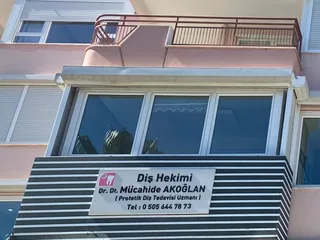
  • Building facade with dentist sign below balcony windows

    Dr. Mücahide Akoğlan – Prosthodontics

    Private practice · Konyaaltı, Antalya

    Department: Oral, Dental and Maxillofacial Surgery2 listed doctors

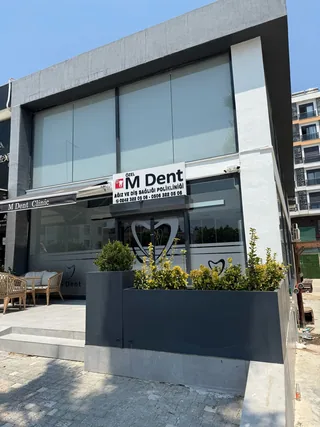
  • Modern dental clinic facade with signage, planters and outdoor seating

    MDent Dental Clinic

    Dental clinic · Kepez, Antalya

    Department: Oral, Dental and Maxillofacial Surgery2 listed doctors

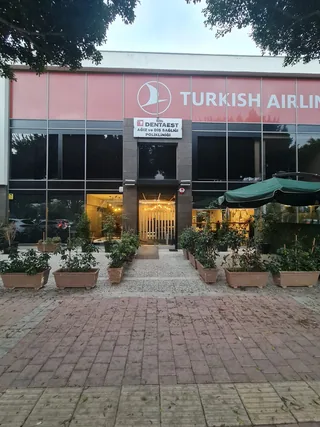
  • Clinic entrance in glass-fronted building with potted plants along paved walkway

    Dentaest Dental Clinic

    Dental clinic · Muratpaşa, Antalya

    Department: Oral, Dental and Maxillofacial Surgery3 listed doctors

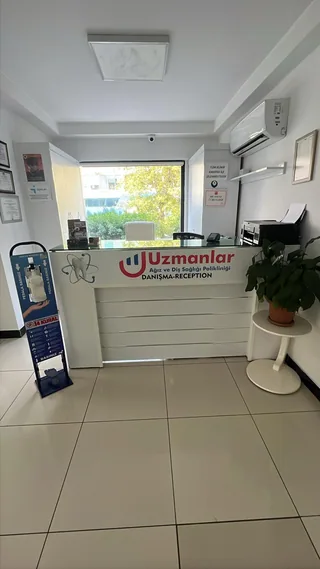
  • Clinic reception desk with plant, hand sanitizer stand and window behind

    Alanya Uzmanlar Dental Clinic

    Dental clinic · Alanya, Antalya

    Department: Oral, Dental and Maxillofacial Surgery1 listed doctor

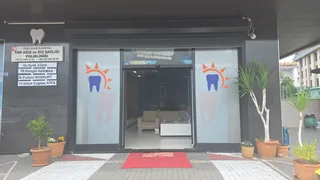
  • Clinic entrance with glass doors, tooth decals, signage and potted plants

    Alanya Dental Tan Clinic

    Dental clinic · Alanya, Antalya

    Department: Oral, Dental and Maxillofacial Surgery3 listed doctors

  • Elegant reception with curved gold and white desk, landscape painting and armchairs

    Elfs Dental Clinic

    Dental clinic · Muratpaşa, Antalya

    Department: Oral, Dental and Maxillofacial Surgery2 listed doctors

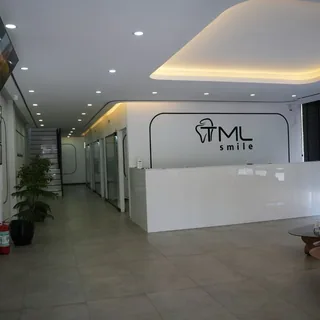
  • Bright white reception desk and corridor in a modern dental clinic

    TML Smile Dental Clinic

    Dental clinic · Muratpaşa, Antalya

    Department: Oral, Dental and Maxillofacial Surgery3 listed doctors

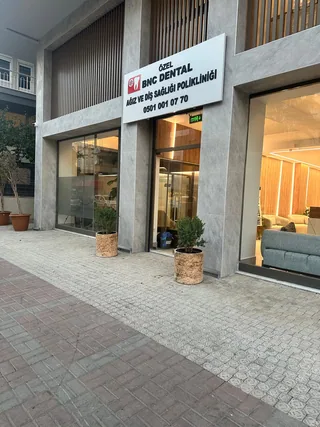
  • Dental clinic street entrance with signage, glass doors and potted plants

    Antalya BNC Dental Clinic

    Dental clinic · Manavgat, Antalya

    Department: Oral, Dental and Maxillofacial Surgery2 listed doctors

Profiles with more verified information (written profile, photos, listed doctors) appear first. No facility pays for its position. Profiles with the same amount of information appear in an order that changes every day.

See all 342 facilities for this treatment

Related treatments

Your next step

Not sure which doctor or facility to choose? Send one request and we pass it to suitable authorized providers.

Request a quote

Request a quote