Endocrinologists in Türkiye
110 endocrinologists in Türkiye are listed on Medicaltour, practising at 76 private hospitals and clinics that hold the Ministry of Health's health-tourism authorization.
42 hold the title of professor. 27 are associate professors. 56 report 20 or more years of experience. 2 have education or training abroad stated on their clinic's website. Languages stated: English (7), German (1). By city: Istanbul (53), Ankara (17), Izmir (9), Samsun (5), Gaziantep (4), Kocaeli (3).
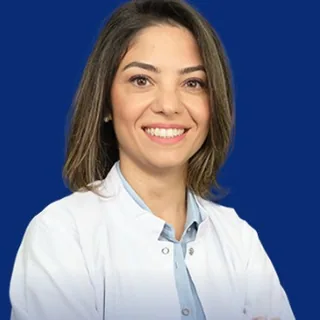
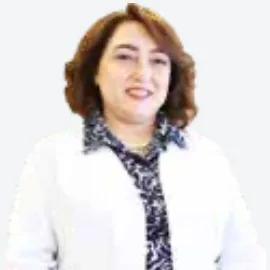
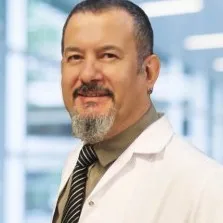
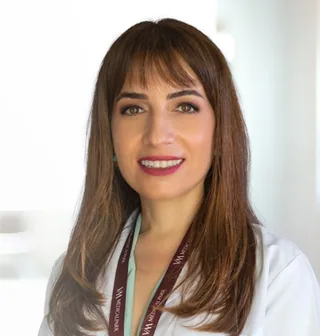
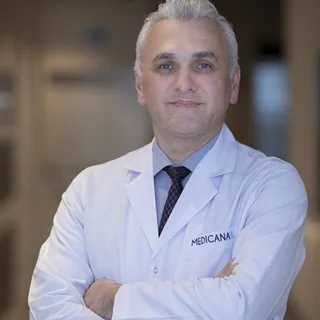
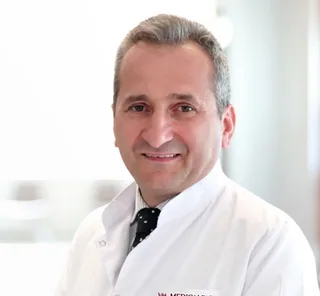
Seher Tanrıkulu
Associate Professor · Endocrinology and Metabolic Diseases
Acıbadem Ataşehir Hospital · Ataşehir, İstanbul
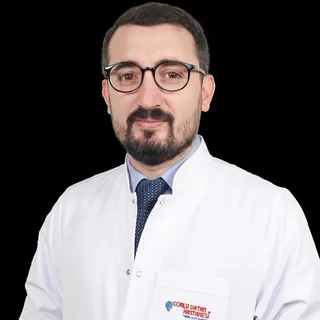
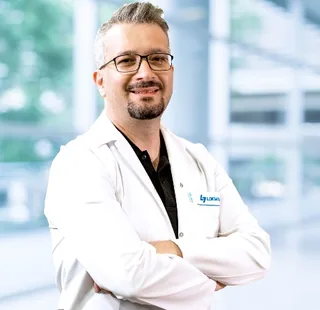
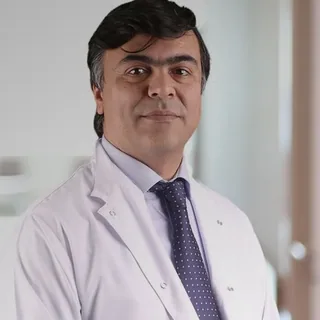
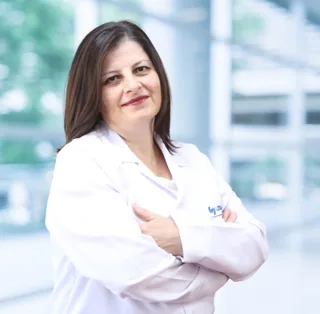
İsmail Yıldız
M.D. Specialist · Endocrinology and Metabolic Diseases
Çorlu Vatan Hospital · Çorlu, Tekirdağ
- Experience
- 12 years
- Education
- Graduated from Istanbul University Faculty of Medicine in 2010
- Training
- Specialty training in Internal Medicine at Istanbul Training and Research Hospital (2015)
- Subspecialty training in Endocrinology and Metabolic Diseases at Namık Kemal University Hospital (2019)
- Clinical interests
- Diabetes, Thyroid diseases, Obesity, Parathyroid gland diseases, Pituitary gland diseases, Adrenal gland diseases, and 2 more
- Languages
- English
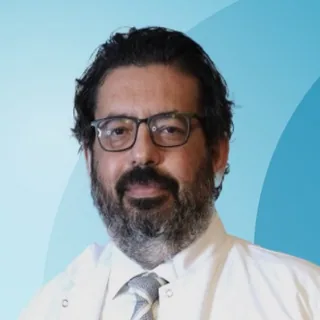
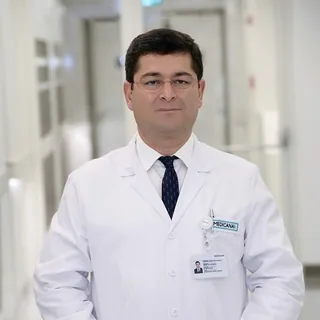
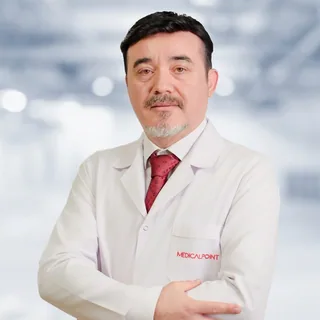
Kubilay Ükinç
Professor · Endocrinology and Metabolic Diseases
Liv Hospital Vadi İstanbul · Sarıyer, İstanbul
- Experience
- 28 years
- Education
- Graduated from Hacettepe University in 1997
- Training
- Specialty training in Internal Medicine at Karadeniz Technical University (2002)
- Specialty training in Endocrinology and Metabolism at Karadeniz Technical University (2006)
- Clinical interests
- Diabetes Mellitus, Thyroid diseases, Obesity, Hyperlipidemia, Metabolic syndrome, Parathyroid gland diseases, and 4 more
- Languages
- English
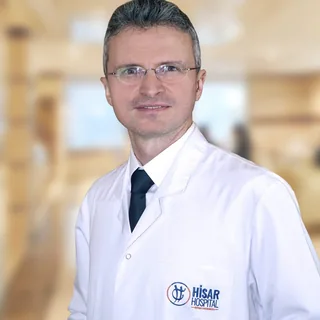
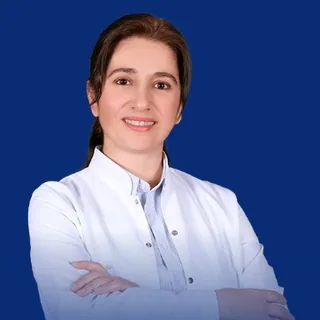
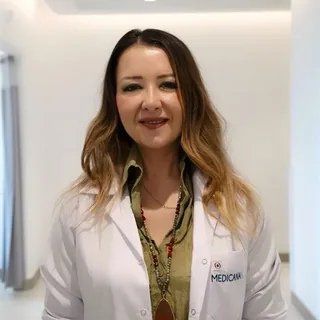
Süleyman Hilmi İpekçi
Professor · Endocrinology and Metabolic Diseases
Hisar Intercontinental Hospital · Ümraniye, İstanbul
- Experience
- 21 years
- Clinical interests
- Diabetes, Thyroid and diabetes diseases, Thyroid cancers, Pituitary diseases, Adrenal gland diseases, Hormone disorders
- Publications
- 42 articles in international journals and 16 articles in Turkish-language journals
- Experience
- 18 years
- Experience
- 21 years
Murat Cinel
Doctor · Endocrinology and Metabolic Diseases
Lokman Hekim Akay Hospital · Çankaya, Ankara
- Experience
- 15 years
- Education
- Graduated from Hacettepe University Faculty of Medicine in 2005
- Training
- Specialty training in Internal Medicine at Hacettepe University (2007-2011)
- Subspecialty training in Endocrinology and Metabolic Diseases at Ankara University (2015-2019)
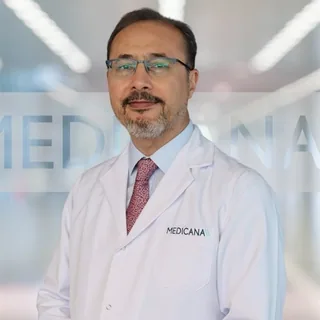
Ahmet Cem Özuğuz
M.D. Specialist · Endocrinology and Metabolic Diseases
Medicana Kadıköy Hospital · Kadıköy, İstanbul
- Experience
- 32 years
Ayşenur Özderya
Associate Professor · Endocrinology and Metabolic Diseases
Acıbadem Altunizade Hospital · Üsküdar, İstanbul
- Experience
- 8 years
Ali Rıza Çimen
M.D. Specialist · Endocrinology and Metabolic Diseases
Gürlife Hospital · Tepebaşı, Eskişehir
- Experience
- 20 years
Mustafa Gürkan Taşkale
M.D. Specialist · Endocrinology and Metabolic Diseases
Altınbaş University Medical Park Bahçelievler Hospital · Bahçelievler, İstanbul
- Experience
- 26 years
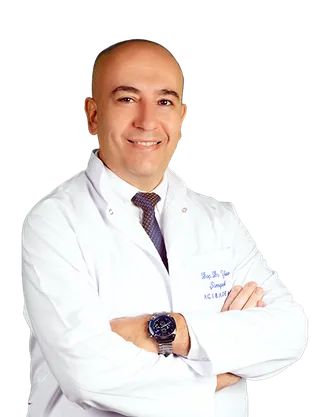
Yasin Şimşek
Associate Professor · Endocrinology and Metabolic Diseases
Acıbadem Kayseri Hospital · Melikgazi, Kayseri
Türkan Mete
Professor · Endocrinology and Metabolic Diseases
VM Medical Park Samsun Hospital · Atakum, Samsun
Abdullah Taşlıpınar
Associate Professor · Endocrinology and Metabolic Diseases
Medicana Ataşehir Hospital · Ataşehir, İstanbul
- Experience
- 31 years
Deniz Engin Gök
Doctor · Endocrinology and Metabolic Diseases
Lokman Hekim Akay Hospital · Çankaya, Ankara
- Experience
- 39 years
- Education
- Graduated from Ankara University Faculty of Medicine in 1987
- Training
- Specialty training in Internal Medicine at Gülhane Military Medical Academy (2000-2004)
- Subspecialty training in Endocrinology and Metabolic Diseases at Gülhane Military Medical Academy (2005-2008)
Ümit Çınkır
M.D. Specialist · Endocrinology and Metabolic Diseases
Gaziantep Medicalpoint Hospital · Şehitkâmil, Gaziantep
- Experience
- 19 years
- Education
- Graduated from Mersin University Faculty of Medicine in 2006
- Training
- Specialty training in Internal Diseases at Çukurova University (2007-2011)
- Subspecialty training in Endocrinology and Metabolism at Mersin University (2011-2014)
- Clinical interests
- Endocrinology and Metabolism, Internal diseases
- Memberships
- Member of Turkish Society of Endocrinology and Metabolism
- Languages
- English
Füsun Salgür
M.D. Specialist · Endocrinology and Metabolic Diseases
Medicana International Izmir Hospital · Konak, İzmir
- Experience
- 22 years
Mustafa Altay
Professor · Endocrinology and Metabolic Diseases
Medicana International Ankara Hospital · Çankaya, Ankara
- Experience
- 27 years
Mustafa Cesur
Professor · Endocrinology and Metabolic Diseases
Ankara Güven Hospital · Çankaya, Ankara
- Experience
- 29 years
Mücahit Özyazar
Professor · Endocrinology and Metabolic Diseases
Istanbul Tema Hospital · Küçükçekmece, İstanbul
- Experience
- 49 years
- Education
- Studied at Istanbul University Çapa Faculty of Medicine
- Training
- Specialty training in Internal Medicine and Endocrinology at Istanbul University Cerrahpaşa Faculty of Medicine
- Clinical interests
- Diabetes, Thyroid diseases, Obesity, Endocrine diseases in pregnancy, Hirsutism
- Memberships
- Member of Turkish Diabetes Society
- Member of Turkish Obesity Foundation
- Member of European Association for the Study of Diabetes (EASD)
- Languages
- English
Saip Toprak
Doctor · Endocrinology and Metabolic Diseases
VM Medical Park Maltepe Hospital · Maltepe, İstanbul
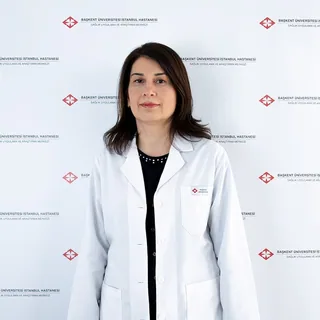
Şule Temizkan
Professor · Endocrinology and Metabolic Diseases
Başkent University Istanbul Health Research and Application Center · Üsküdar, İstanbul
- Education
- Graduated from Istanbul University Cerrahpaşa School of Medicine in 1988
- Training
- Specialty training in Internal Medicine at Ankara University School of Medicine (2003)
- Fellowship in Endocrinology at Marmara University School of Medicine (2013)
Feyzi Gökosmanoğlu
Associate Professor · Endocrinology and Metabolic Diseases
Medicana International Samsun Hospital · Canik, Samsun
- Experience
- 24 years
Yavuz Selim Demir
M.D. Specialist · Endocrinology and Metabolic Diseases
Medicana International Izmir Hospital · Konak, İzmir
- Experience
- 32 years
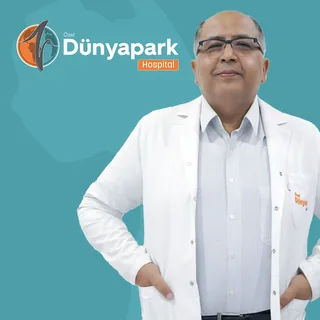
Cumali Gökçe
Professor · Endocrinology and Metabolic Diseases
Dünyapark Hospital · Kayapınar, Diyarbakır
- Experience
- 21 years
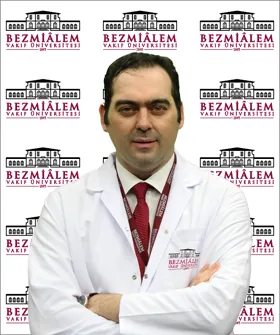
Mahmut Muzaffer İlhan
Doctor · Endocrinology and Metabolic Diseases
Istanbul Bezmialem Vakıf University Hospital · Fatih, İstanbul
Aydoğan Aydoğdu
Professor · Endocrinology and Metabolic Diseases
Medicana International Ankara Hospital · Çankaya, Ankara
- Experience
- 27 years
Ahmet Suat Demir
M.D. Specialist · Endocrinology and Metabolic Diseases
Medical Park Karadeniz Hospital · Merkez, Trabzon
- Experience
- 19 years
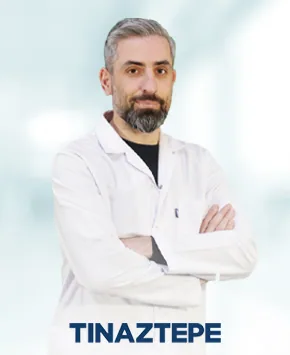
İlker Altun
Associate Professor · Endocrinology and Metabolic Diseases
Izmir Tınaztepe University Buca Hospital · Buca, İzmir
- Experience
- 8 years
Mehmet Hulusi Atmaca
Professor · Endocrinology and Metabolic Diseases
VM Medical Park Samsun Hospital · Atakum, Samsun

Where they practise
The hospitals and clinics where the most doctors on this list work.

Ankara hospital founded in 1975, part of Güven Healthcare Group, with JCI and Planetree Gold accreditation and organ and bone marrow transplant centers.
Prof. Dr. Hasan Tahsin Teziç heads the Pediatrics department and is responsible for Child and Adolescent Endocrinology.
- Founded
- 1975
- Doctors listed
- 133
- Group or operator
- Part of Güven Sağlık Grubu (Güven Healthcare Group)
- Technology
- Force CT, SPECT/CT, PET/CT, 3 Tesla MRI, Intraoperative 3 Tesla MRI, TrueBeam radiotherapy system, Single-dose radiotherapy, 3D tomosynthesis mammography, and 4 more
- For international patients
- Transfer service
- Translation service
- Accommodation consultancy service
- Languages
- Albanian, Arabic, Bosnian, Bulgarian, English, French, Georgian, Italian, Russian, Somali, Uzbek
- Accreditations
- JCI
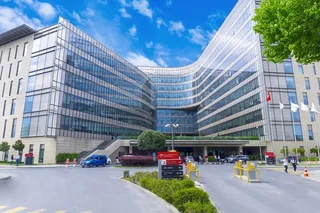
Foundation university hospital opened in 2014, part of VKV Health Institutions, with transplant, cancer, IVF and robotic surgery centers.
Prof. Barış Ata, whose focus is assisted reproductive technologies, completed a reproductive endocrinology and infertility fellowship at McGill University in Montreal, Canada.
- Founded
- 2014
- Doctors listed
- 221
- Group or operator
- Part of VKV Health Institutions (Vehbi Koç Foundation)
- Technology
- Da Vinci robotic surgery system, PET/CT, SPECT/CT, 3 Tesla MRI, Angiography, Endoscopic ultrasound (EUS)
- For international patients
- Transfer service
- Translation service
- Languages
- Albanian, Arabic, Bosnian, Bulgarian, English, French, German, Greek, Persian, Romanian, Russian, Serbian, Ukrainian, Uzbek
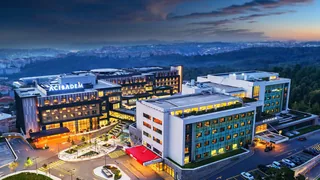
JCI-accredited Acıbadem Maslak Hospital, founded 2009: 231 beds, 75 chemotherapy rooms, robotic surgery, IVF center, NICU and Health Point Center.
Acıbadem Maslak Hospital was founded in 2009 within Acıbadem Healthcare Group, and the hospital states that a new building of 60 thousand m2 was added in an enlargement project finalized in 2018.
It lists 231 patient beds, 51 intensive care beds, 20 general operating rooms and 3 IVF operating rooms.
- Founded
- 2009
- Doctors listed
- 263
- Capacity
- 231 patient beds
- 20 general operating rooms and 3 IVF operating rooms
- Group or operator
- Part of Acıbadem Healthcare Group
- Technology
- TrueBeam, da Vinci, EOS, whole-body MRI, Trilogy, intraoperative radiotherapy, PET-CT, MR Linac and Rapid Arc, Force CT, SPECT-CT, 3 Tesla MRI, Intraoperative 3 Tesla MRI, Single-dose radiotherapy, 3D tomosynthesis mammography, and 2 more
- For international patients
- Health tourism authorization certificate number ST-0292
- Health Point Center for international patients follows their diagnostic and treatment processes
- Languages
- Albanian, Arabic, Bulgarian, English, French, Georgian, Russian, Serbian
- Accreditations
- ISO 9001, JCI
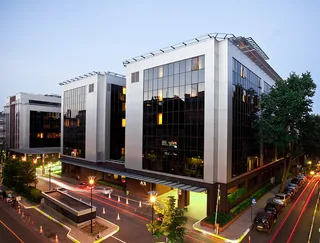
JCI-accredited Nişantaşı hospital in VKV Health Institutions: oncology, IVF, obesity surgery, Da Vinci robotic surgery and international services.
The hospital is part of VKV Health Institutions, the group that also includes Koç University Hospital and American Medical Center.
The official record lists 1995 as its foundation year, 185 doctors, 1862 personnel and 48 branches.
- Founded
- 1995
- Doctors listed
- 172
- Group or operator
- Part of VKV Health Institutions (with Koç University Hospital and American Medical Center)
- Technology
- Force CT, SPECT/CT, PET/CT, 3 Tesla MRI, Da Vinci robotic surgery system, TrueBeam radiotherapy system, Single-dose radiotherapy, 3D tomosynthesis mammography, and 2 more
- For international patients
- Translation service
- Transfer service
- Accommodation consultancy service
- Travel insurance consultancy service
- and 1 more
- Languages
- Albanian, Arabic, Bosnian, Bulgarian, English, French, Georgian, Persian, Romanian, Russian, Serbian, Ukrainian, Uzbek
- Accreditations
- ISO 27001, JCI
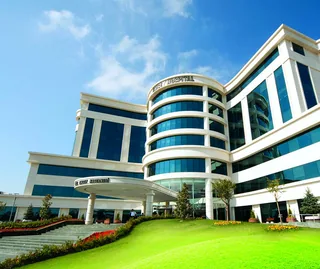
Founded in 2012 next to Sabiha Gökçen Airport, with bone marrow transplant units, oncology, spine surgery, IVF and an International Patient Center.
In endocrinology, M.D. Specialist Ahmet Hamidi trained in internal medicine, endocrinology and diabetes at the University of Vienna, Austria, from 1982 to 1990.
- Founded
- 2012
- Doctors listed
- 61
- Capacity
- 254 beds
- 7 operating rooms
- Technology
- SPECT-CT, PET/CT, 3 Tesla MRI, RapidArc Trilogy radiotherapy system, Single-dose radiotherapy, Angiography, Endoscopic ultrasound (EUS)
- For international patients
- International Patient Center provides guidance in the patient's native language from first inquiry to return home
- International representative offices in Azerbaijan and Oman
- Video consultation appointments
- Medical second opinion via online form
- Languages
- Albanian, Arabic, Bosnian, English, French, Georgian, Romanian, Russian, Serbian, Uzbek
- Accreditations
- ISO 27001, ISO 9001, TEMOS, TÜSKA
Questions about this list
How many endocrinologists in Türkiye are listed?
110 endocrinologists in Türkiye are listed on Medicaltour, practising at 76 private hospitals and clinics that hold the Ministry of Health's health-tourism authorization.
Who are the most experienced endocrinologists in Türkiye?
By the years of experience reported on HealthTürkiye: Mücahit Özyazar (49 years), Hasan Fahrettin Keleştemur (47 years) and Zeynel Beyhan (46 years).
Where do endocrinologists in Türkiye practise?
They practise at 76 private hospitals and clinics that hold the Ministry of Health's health-tourism authorization. The most doctors on this list work at Ankara Güven Hospital (5), Koç University Hospital (5) and Acıbadem Maslak Hospital (4).
How many endocrinologists in Türkiye are professors?
Of the 110 listed, 42 hold the title of professor and 27 are associate professors, as registered on HealthTürkiye.
How many endocrinologists in Türkiye trained abroad?
2 have education or training abroad stated on their clinic's website. Countries stated: Austria (1), United States (1).
Which languages do endocrinologists in Türkiye speak?
Languages stated for individual doctors on their clinics' websites: English (7), German (1).
Which cities have the most endocrinologists in Türkiye?
By the city on the Ministry of Health's list: Istanbul (53), Ankara (17), Izmir (9), Samsun (5), Gaziantep (4), Kocaeli (3).
About this specialty
This specialty covers the hormone-making glands and conditions such as diabetes, which can arise when hormone levels or the body's response to hormones go wrong.
What this specialty covers
The endocrine system has eight main glands spread across the body. These glands release hormones, which are chemical signals carried in the blood to organs and tissues. Hormones act gradually, and their effects reach the whole body. They help steer metabolism, such as digestion, breathing, circulation and body temperature, as well as growth, sexual function, fertility and mood.1
A hormone disorder may arise when levels are too high or too low, or when the body does not react to a hormone in the usual way. Stress, infection and shifts in the blood's fluid and electrolyte (dissolved salt) balance can also change hormone levels.1
Diabetes is a long-lasting condition in which the body cannot keep blood sugar under control. Normally, insulin, a hormone from the pancreas, does this job. Type 2 is by far the most frequent form, accounting for more than 95% of cases. About 200 million people had diabetes in 1990; by 2022 that number was 830 million. Other forms include gestational diabetes, which is high blood sugar first appearing in pregnancy, plus LADA, MODY and diabetes caused by other illnesses.2,3
Who it is usually for
Being overweight, too little exercise and genetics all contribute to type 2 diabetes. The chance is higher when a parent, brother or sister has diabetes. People with impaired glucose tolerance or impaired fasting glycaemia are at high risk of moving on to type 2 diabetes, though this is not certain. Type 2 diabetes builds up gradually, so some people with raised blood sugar have no symptoms.2,3
What a visit usually involves
Regular check-ups with blood tests can help find diabetes early. A urine test alone cannot diagnose it.2,3
In the oral glucose tolerance test, a reading of 200 mg/dL or more 2 hours after a 75 gram sugar drink points to diabetes. This test is mainly used for type 2 and is seldom needed for type 1. Gestational diabetes is found through prenatal screening, not symptoms.2,3
Treatment and follow-up
Endocrine conditions are usually managed by adjusting how much hormone the body makes, and supplements can help when there is too little. Diabetes treatment combines nutrition, physical activity and medicines that control blood sugar. Type 1 is treated with insulin for life plus regular glucose checks. For type 2, options include insulin injections or medicines such as metformin, sulfonylureas and SGLT-2 inhibitors. Many people also take blood pressure medicines and statins to lower the chance of complications.1,2,3,4
Lifestyle changes, especially losing weight through diet and exercise, sometimes reverse type 2 diabetes, and weight loss surgery can improve some cases. Apart from a pancreas or islet cell transplant, type 1 diabetes has no cure. Gestational diabetes usually goes away after birth.2,4
Regular reviews with a provider, ideally 2 to 4 times yearly or more often, help limit complications. Care may also include eye exams for retinopathy and screening and treatment for kidney disease.2,3
Risks to discuss with your doctor
Possible eye problems include poor night vision, light sensitivity, cataracts and blindness. Nerve damage can cause pain, tingling, loss of feeling, digestive problems and erectile dysfunction. Kidney problems may progress to kidney failure. Diabetes also raises the chance of heart attack or stroke and can weaken immunity, making infections more frequent. Gum disease is another possible long-term problem.2,4
These problems can occur even with good diabetes control. Still, better control of blood sugar, cholesterol and blood pressure lowers the risk of kidney, eye and nerve disease, heart attack and stroke. Gestational diabetes makes problems more likely while pregnant and during birth.2,3
Questions to ask a clinic
- Will I receive education and support on managing my condition?2
- Can I see a certified diabetes care and education specialist?2
- Are there medicines that could delay or prevent type 2 diabetes?2
- How often will follow-up visits be, and will they include eye and kidney checks?2,3
Other specialties
- Dentists in Türkiye (4,241)
- Internal medicine specialists in Türkiye (1,314)
- Gynecologists and obstetricians in Türkiye (1,170)
- Pediatricians in Türkiye (914)
- ENT specialists in Türkiye (892)
- Ophthalmologists in Türkiye (821)
- General surgeons in Türkiye (806)
- Plastic surgeons in Türkiye (767)
- Orthopedic surgeons in Türkiye (699)
- Anesthesiologists in Türkiye (674)
- Oral and maxillofacial surgeons in Türkiye (605)
- Radiologists in Türkiye (528)
Specialty is the department each doctor is registered in on HealthTürkiye, the official health-tourism portal.