تقويم الأسنان
يجريها اختصاصي: تقويم الأسنان
يقرر الطبيب الملاءمة والتقنية والتكلفة بعد الفحص.
صِف ما تحتاجه وسننقل طلبك إلى مقدّمي خدمة مرخّصين مناسبين حتى يُعَدّ لك عرض سعر. الطلب لا يُلزمك بشيء.
اطلب عرض سعريجريها اختصاصي: تقويم الأسنان
يقرر الطبيب الملاءمة والتقنية والتكلفة بعد الفحص.
صِف ما تحتاجه وسننقل طلبك إلى مقدّمي خدمة مرخّصين مناسبين حتى يُعَدّ لك عرض سعر. الطلب لا يُلزمك بشيء.
اطلب عرض سعرBased on prices published by 5 clinics on their own websites. 20% of these prices are packages that bundle services with the treatment.
Indicative only. Your price depends on the clinic, the doctor, materials, your case and what is included. Only a written plan from the clinic after it has seen your records is a price.
Prices converted to euros at the European Central Bank reference rate of 2026-11-13. Each clinic counts once; prices in Turkish lira and outliers are left out.
Orthodontic treatment uses devices such as braces to move teeth and correct problems with how the teeth and jaws line up.
Orthodontics is the part of dentistry that focuses on teeth and jaws that are out of position. Its aim is to move teeth into a better place, using devices such as braces. It can straighten crooked teeth, fix bite problems, close spaces and bring the lips and teeth into proper alignment.1,2
The most common reason people are sent to an orthodontist is malocclusion, a term for teeth that do not line up correctly. Correcting it can make cleaning easier, lower the risk of decay and gum disease, and ease strain on the teeth, jaws and muscles. In young children, treatment may also help steer the growth of the jaw.1,2
Most patients are children, although adults wear braces too. Braces are often suggested for children and teenagers once all of their adult teeth are in. They may be considered when teeth are crowded or stick out, when the top and bottom jaws do not fit together well, or when there are large spaces between teeth. They may also be considered when tooth position makes chewing or cleaning hard.1,3
Most alignment problems, however, are minor and are left untreated. Children and adolescents usually respond well, as their bones are still soft. Adults can also be treated, but they may have to wear the appliance for longer.2
A dentist often first notices an alignment problem at a routine check-up. Before planning treatment, the orthodontist may take x-rays, photos or scans of the teeth and jaws, and models of the teeth are often made.2,3
With fixed metal braces, small squares called brackets are glued to each tooth, and a wire linking them puts light pressure on the teeth so they shift gradually. Small elastic pieces, called modules, hold the wire onto the brackets. Some people may be offered clear aligners, which have no wires. A fixed brace usually stays on for 1 to 2 years. If crowding is part of the problem, one or more teeth may have to be taken out, and in rare cases surgery to reshape the jaw is required.2,3
The teeth may ache for a few days after the braces go on, and eating soft food and taking painkillers may help. The orthodontist usually sees the patient every 6 to 8 weeks to adjust the braces.3
Patients are advised to brush with fluoride toothpaste after meals as well as morning and night, and to use an interdental brush every day between the teeth and under the braces. Regular dental check-ups should continue throughout treatment. Hard, crunchy or sticky foods can damage braces, and chewing gum can get caught in them. Once the braces come off, a retainer is worn to keep the teeth from drifting back.3
If plaque is not cleaned off properly, it can collect around braces and may leave permanent marks on the teeth or lead to decay. Having a lot of sugary food and drink can also cause decay during treatment. Other possible problems include discomfort, irritation of the mouth and gums from the appliance, and trouble chewing or speaking while treatment is under way.2,3
Patients are advised to contact the dentist or orthodontist about new mouth pain or other new symptoms, soreness lasting more than a few days after fitting or adjustment, very red, swollen or painful gums, or broken braces.2,3
تستند القائمة إلى منشآت طب الأسنان وإلى الأقسام والأطباء الذين تذكرهم كل منشأة، وهذا لا يؤكد أن المنشأة تجري هذا العلاج.

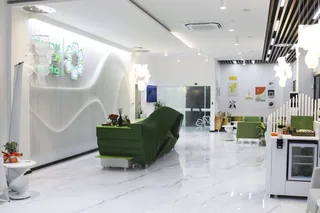
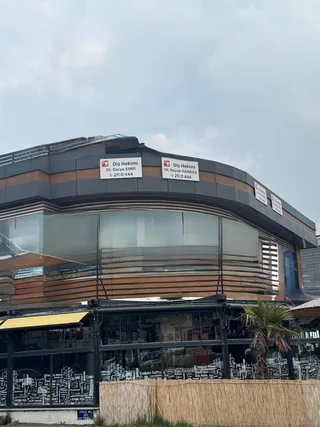
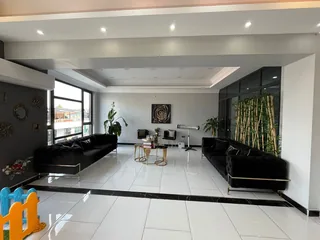
عيادة طبيب خاصة · Adapazarı, Sakarya
صحة الفم والأسنانطبيب مدرج واحد
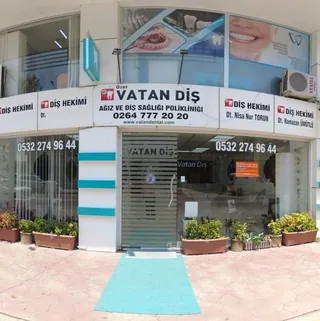

مستوصف أسنان · Adapazarı, Sakarya
مستوصف أسنان · Adapazarı, Sakarya
تظهر أولًا الملفات التي تضم معلومات موثّقة أكثر (وصف مكتوب، صور، أطباء مدرجون). لا تدفع أي منشأة مقابل ترتيبها. Profiles with the same amount of information appear in an order that changes every day.