أطفال الأنابيب
يجريها اختصاصي: طب الإنجاب وأطفال الأنابيب
يقرر الطبيب الملاءمة والتقنية والتكلفة بعد الفحص.
صِف ما تحتاجه وسننقل طلبك إلى مقدّمي خدمة مرخّصين مناسبين حتى يُعَدّ لك عرض سعر. الطلب لا يُلزمك بشيء.
اطلب عرض سعريجريها اختصاصي: طب الإنجاب وأطفال الأنابيب
يقرر الطبيب الملاءمة والتقنية والتكلفة بعد الفحص.
صِف ما تحتاجه وسننقل طلبك إلى مقدّمي خدمة مرخّصين مناسبين حتى يُعَدّ لك عرض سعر. الطلب لا يُلزمك بشيء.
اطلب عرض سعرIVF is a fertility treatment in which eggs and sperm are brought together in a laboratory and a resulting embryo is placed in the womb.
In vitro is a term for something done outside the body, and IVF is the most commonly used form of assisted reproductive technology, or ART. Some ART treatments use donor eggs or sperm, embryos frozen earlier, or a surrogate or gestational carrier.1,2
IVF is usually considered after other fertility treatments have not worked. It is used for many causes of infertility, including a woman's older age, damaged or blocked fallopian tubes, low sperm count or blockage in men, endometriosis, polycystic ovary syndrome and unexplained infertility.1
Donor eggs may be used when a woman cannot produce eggs. Couples with a high chance of passing on an inherited disorder may look into pre-implantation genetic diagnosis (PGD). Age, BMI, lifestyle and the cause of the fertility problem can all affect the chance of having a baby.1,3
Blood tests, for example for HIV, hepatitis B and hepatitis C, may be needed before starting. IVF has five basic steps, and a full cycle takes about 3 to 6 weeks. First, fertility medicines help the body make more eggs, while transvaginal ultrasound scans and blood tests check the ovaries and hormone levels.1,3
The eggs are then collected in a minor procedure called follicular aspiration. Guided by ultrasound, a thin needle passes through the vagina into the ovary and its follicles, the small sacs that hold the eggs. Collection lasts about 20 minutes, with a sedative offered. If fertilisation seems unlikely, sperm may be injected straight into an egg, a method called intracytoplasmic sperm injection (ICSI).1,3
Laboratory staff monitor the embryo's growth, and the transfer happens 3 to 5 days after collection and fertilisation. The woman is awake while a thin tube called a catheter is passed through the cervix into the womb. Unused embryos may be frozen for later transfer or donation.1
Some cramping after egg collection usually settles within a day. After the transfer, full bed rest is not needed unless the risk of OHSS is higher, and most women resume usual activities the next day. Daily progesterone injections or tablets follow for 8 to 10 weeks. A pregnancy test is done about 12 to 14 days after the transfer, and if it is positive, a scan at around 7 weeks checks for a heartbeat. Counselling is recommended for everyone having IVF.1,3
Fertility medicines may lead to bloating, tummy pain, mood swings and headaches, and repeated injections can cause bruises. Rarely, they trigger ovarian hyperstimulation syndrome (OHSS), where fluid collects in the abdomen and chest. Egg collection carries risks such as anaesthesia reactions, bleeding, infection or injury to nearby organs like the bowel or bladder.1
Multiple pregnancy is the most common ART complication and raises the chance of early birth and low birth weight; single babies born after IVF also face a higher risk of both. An ectopic pregnancy, where the fertilised egg implants outside the womb, is also possible. Whether IVF affects the risk of birth defects is unclear, and research so far has not linked fertility medicines to ovarian cancer.1,2,3
IVF takes much time and physical and emotional energy, and many couples feel stress or depression. A fever above 100.5°F (38°C) is a reason to contact the treating doctor straight away. Difficulty breathing, chest pain or pain low on one side of the tummy may signal severe OHSS or an ectopic pregnancy.1,3
تستند القائمة إلى الأقسام والأطباء الذين تذكرهم كل منشأة، وهذا لا يؤكد أن المنشأة تجري هذا العلاج.

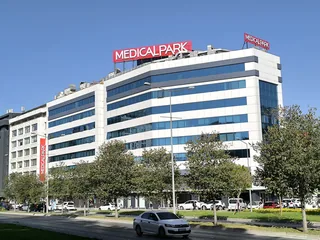


عيادة طبيب خاصة · Alsancak, İzmir
أمراض النساء والتوليدطبيب مدرج واحد


تظهر أولًا الملفات التي تضم معلومات موثّقة أكثر (وصف مكتوب، صور، أطباء مدرجون). لا تدفع أي منشأة مقابل ترتيبها. Profiles with the same amount of information appear in an order that changes every day.