تكميم المعدة
يجريها اختصاصي: الجراحة العامة, جراحة السمنة
يقرر الطبيب الملاءمة والتقنية والتكلفة بعد الفحص.
صِف ما تحتاجه وسننقل طلبك إلى مقدّمي خدمة مرخّصين مناسبين حتى يُعَدّ لك عرض سعر. الطلب لا يُلزمك بشيء.
اطلب عرض سعريجريها اختصاصي: الجراحة العامة, جراحة السمنة
يقرر الطبيب الملاءمة والتقنية والتكلفة بعد الفحص.
صِف ما تحتاجه وسننقل طلبك إلى مقدّمي خدمة مرخّصين مناسبين حتى يُعَدّ لك عرض سعر. الطلب لا يُلزمك بشيء.
اطلب عرض سعرA gastric sleeve is a weight loss operation that removes most of the stomach so that a person feels full sooner and eats less.
Weight loss surgery, also known as bariatric surgery, is used as a treatment for severe obesity. The gastric sleeve, known medically as a sleeve gastrectomy, is one of its main forms.1
During the operation, roughly 80% of the stomach is taken out, and what remains is a narrow stomach shaped like a sleeve. With a smaller stomach, a person tends to feel full earlier and eats less food.1,2
This kind of surgery is intended to help people living with extreme obesity reduce their weight. It may be considered when diet and exercise have not led to weight loss, or when obesity is causing serious health problems.2
Checks before surgery help a doctor decide whether the operation is suitable and which type would be recommended. They also look at mental wellbeing, such as how a person may cope with lasting lifestyle changes, follow-up visits and supplements. People having the operation are expected to commit to new diet and lifestyle habits and to regular check-ups afterwards.1
Preparation usually includes X-rays, scans, and blood and urine tests to look for issues such as ulcers, hernias or blood clots. Eating habits are also reviewed, including any earlier attempts to lose weight.1
A surgeon carries out the operation as keyhole surgery while the patient is under general anaesthetic, meaning fully asleep. About 5 small incisions are made in the abdomen, which is then inflated with air so the surgeon has room to remove part of the stomach. The procedure usually lasts between 1 and 3 hours. It takes place in hospital, and people usually go home 1 to 3 days later.1
Recovery usually takes 4 to 6 weeks, after which people begin returning to their normal activities. Because the stomach is much smaller, eating and drinking habits have to change. This means eating slowly, chewing well and taking small portions, particularly early on. Soft white bread is one example of a food that can block the stomach, so it should be skipped or eaten with care. Vitamin and mineral supplements are needed after surgery.1
A typical plan starts with fluids such as thin soup for 2 weeks, moves to runny or puréed foods like yoghurt in weeks 3 and 4, then to soft foods such as mashed potato in weeks 5 to 8. From week 8, a healthy, balanced diet is gradually reintroduced, although plans differ between people. An exercise plan, built up slowly, may be offered to help stop weight loss from causing muscle loss.1
Check-ups may cover vitamin and mineral blood tests, a general health review, guidance on eating and activity, and emotional support. Sticking to diet and exercise advice can help people keep most of the lost weight off.1,2
Like every type of weight loss surgery, a gastric sleeve carries possible complications, including infections, hernias and blood clots. Many people lose weight quickly at first, but some of it may come back later.2
The surgery can make it harder for the gut to take in vitamins and minerals, which raises the risk of malnutrition. Malnutrition does not always cause symptoms, but possible signs include constant tiredness, shortness of breath, palpitations (a noticeable heartbeat), paler skin, pins and needles and weakness. A balanced diet, any extra supplements advised and regular blood tests help lower this risk and allow problems to be treated.1
Because losing weight may raise fertility, doctors advise waiting 12 to 18 months before becoming pregnant, until weight has settled.1
أطباء مسجّلون في دليل HealthTürkiye ضمن تخصص: الجراحة العامة, جراحة السمنة. هذا لا يؤكد أن الطبيب يُجري هذا العلاج.
Doctors with a profile photo appear first; the rest appear in an order that changes every day. No one pays for their position.
عرض كل الأطباء (30)تستند القائمة إلى الأقسام والأطباء الذين تذكرهم كل منشأة، وهذا لا يؤكد أن المنشأة تجري هذا العلاج.



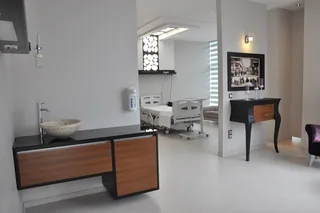




تظهر أولًا الملفات التي تضم معلومات موثّقة أكثر (وصف مكتوب، صور، أطباء مدرجون). لا تدفع أي منشأة مقابل ترتيبها. Profiles with the same amount of information appear in an order that changes every day.
عرض كل المنشآت لهذا العلاج (9)