تحويل مسار المعدة
يجريها اختصاصي: الجراحة العامة, جراحة السمنة
يقرر الطبيب الملاءمة والتقنية والتكلفة بعد الفحص.
صِف ما تحتاجه وسننقل طلبك إلى مقدّمي خدمة مرخّصين مناسبين حتى يُعَدّ لك عرض سعر. الطلب لا يُلزمك بشيء.
اطلب عرض سعريجريها اختصاصي: الجراحة العامة, جراحة السمنة
يقرر الطبيب الملاءمة والتقنية والتكلفة بعد الفحص.
صِف ما تحتاجه وسننقل طلبك إلى مقدّمي خدمة مرخّصين مناسبين حتى يُعَدّ لك عرض سعر. الطلب لا يُلزمك بشيء.
اطلب عرض سعرGastric bypass is a weight-loss operation that changes how the stomach and small intestine deal with food.
Also called Roux-en-Y gastric bypass, it is one of the main types of bariatric (weight-loss) surgery. Afterwards the stomach is smaller, so less food brings a feeling of fullness. Food also skips parts of the small intestine that take up nutrients, so some calories are not absorbed. The operation changes hormone signals sent from the gut to the brain. It can improve conditions such as arthritis, heart disease, high blood pressure, high cholesterol and gastroesophageal reflux disease (GERD).1,2
Weight-loss surgery may be considered for people with moderate to high-risk obesity when diet, exercise and medicines have not led to enough weight loss. Doctors look at body mass index (BMI) alongside conditions such as type 2 diabetes, asthma and high blood pressure. It may be recommended at a BMI of 35 or more, or 27.5 or more for Asian people, whose health risks begin at a lower BMI.1
A BMI between 30 and 34.9 (25 or more for Asian people) may also qualify if a serious condition, such as obstructive sleep apnea, could get better with weight loss. It is not a quick fix, and people must be able to make major lifestyle changes afterwards.1
Preparation includes blood tests, possibly a gallbladder ultrasound, other fitness checks, nutritional counselling and a counsellor visit to check emotional readiness. Blood-thinning medicines may need a short pause in the week before surgery.1
Under general anesthesia, the surgeon staples the stomach into a small upper pouch and a larger lower part. The pouch is about walnut-sized and holds roughly 1 ounce (28 grams) of food. A section of small intestine called the jejunum is joined to a small opening in the pouch. Surgery may be open, through one large cut, or laparoscopic, through 4 to 6 small cuts using a camera. Laparoscopy means a shorter hospital stay, faster recovery, smaller scars and less chance of hernia or infection. The operation takes about 2 to 4 hours.1
Most people remain in hospital for 1 to 4 days and are asked to sit up and walk a little on the day of surgery. Leg stockings and medicine injections help prevent blood clots. Going home depends on drinking without vomiting and moving without much pain. Liquids are taken for about a week, then pureed foods. Recovery usually takes 4 to 6 weeks.1,2
Long term, meals are small, slow and well chewed, alongside vitamin and mineral supplements, healthy food, portion control and exercise. Follow-up visits continue for life and may include blood tests of vitamin and mineral levels. Monthly weight loss in the first year is often around 4.5 to 9 kg. Half or more of the extra weight may be lost within 2 years, though many people regain some later.1,2,3
Gastric bypass is a major operation, and some of its risks can be very serious. Problems may include bleeding, blood clots, or damage to nearby organs such as the stomach or intestines while operating. The staple line may leak, and internal scarring could later block the bowel. Gastritis (an inflamed stomach lining), heartburn and stomach ulcers can also occur.1
Overfilling the pouch can cause vomiting, and dumping syndrome, when food moves too fast into the jejunum, may follow meals high in starch and sugar. Reduced absorption of vitamins and minerals carries a risk of malnutrition. Smoking may slow healing and raise clot risk, and ignoring diet and exercise advice can lead to complications or poor weight loss. Pregnancy is usually advised against for 12 to 18 months, until weight stabilises.1,2
أطباء مسجّلون في دليل HealthTürkiye ضمن تخصص: الجراحة العامة, جراحة السمنة. هذا لا يؤكد أن الطبيب يُجري هذا العلاج.
Doctors with a profile photo appear first; the rest appear in an order that changes every day. No one pays for their position.
عرض كل الأطباء (32)تستند القائمة إلى الأقسام والأطباء الذين تذكرهم كل منشأة، وهذا لا يؤكد أن المنشأة تجري هذا العلاج.




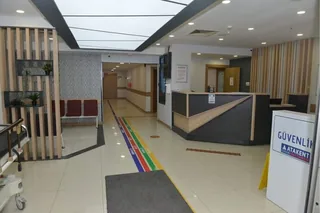
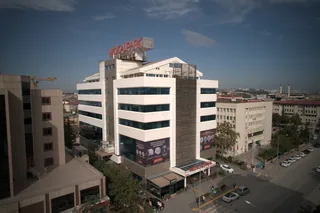
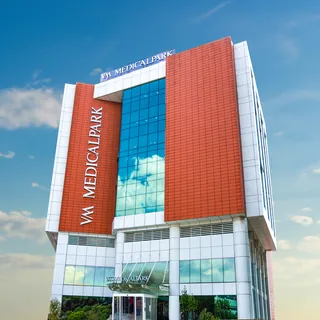

تظهر أولًا الملفات التي تضم معلومات موثّقة أكثر (وصف مكتوب، صور، أطباء مدرجون). لا تدفع أي منشأة مقابل ترتيبها. Profiles with the same amount of information appear in an order that changes every day.
عرض كل المنشآت لهذا العلاج (11)