جراحة الساد
يجريها اختصاصي: طب العيون
يقرر الطبيب الملاءمة والتقنية والتكلفة بعد الفحص.
صِف ما تحتاجه وسننقل طلبك إلى مقدّمي خدمة مرخّصين مناسبين حتى يُعَدّ لك عرض سعر. الطلب لا يُلزمك بشيء.
اطلب عرض سعريجريها اختصاصي: طب العيون
يقرر الطبيب الملاءمة والتقنية والتكلفة بعد الفحص.
صِف ما تحتاجه وسننقل طلبك إلى مقدّمي خدمة مرخّصين مناسبين حتى يُعَدّ لك عرض سعر. الطلب لا يُلزمك بشيء.
اطلب عرض سعرCataract surgery takes out a cloudy lens from the eye and almost always puts an artificial lens in its place.
With a cataract, the lens inside the eye turns cloudy, so less light gets through to the back of the eye. Most cataracts form as a normal part of getting older. Surgery is the only treatment that removes a cataract. The cloudy lens is taken out and, almost always, replaced with an artificial one called an intraocular lens (IOL). The IOL takes over the focusing work of the old lens and helps vision improve.1,2,3
An ophthalmologist, a doctor who specialises in eye diseases and eye surgery, carries out the operation. It is an outpatient procedure, so an overnight stay is usually not required.3
It is usually considered when a cataract makes everyday tasks such as driving, reading or using screens hard, even with glasses. If a cataract is not affecting sight, surgery is often unnecessary, and in the early stages a doctor may suggest new glasses, better lighting, magnifiers or sunglasses. Cataracts usually cause no lasting damage to the eye, so the timing can be agreed with an eye doctor.3,4
Children with cataracts usually have surgery as early as possible so their vision can develop properly. Glaucoma or macular degeneration may make the operation harder or the result less good.2,3
Beforehand, the eye is measured with ultrasound or a laser scanning device to help choose the IOL. Drops are used to widen (dilate) the pupil. Adults usually stay awake, with numbing eyedrops or an injection (local anaesthesia) and medicine to help them relax, while children usually receive general anaesthesia.2,3
In phacoemulsification, a tool that uses sound waves breaks the cataract into fragments, which are then suctioned out through a tiny cut. Extracapsular extraction removes the cataract mostly in one piece through a larger cut. In laser surgery, laser energy makes the cuts and softens the cataract. The clear plastic lens is held in place inside the lens capsule, and the cut usually seals itself without stitches.2,3
The operation usually takes 20 to 45 minutes. With cataracts in both eyes, a gap of 1 to 2 weeks or more between operations may be suggested.2,3
Someone else should drive the patient home, and a check-up usually follows the next day. Drops to help healing and prevent infection are usually used for about 4 weeks. Vision may take several days to improve, and a plastic shield may protect the eye at night while it heals. Recovery takes about 2 weeks, after which new glasses or contact lenses can usually be fitted.2,3
During this time, people are advised not to rub the eye and to avoid heavy lifting, sports, eye make-up and swimming. Dark sunglasses are recommended outdoors once the patch is off. Ask the doctor before strenuous activity, sexual activity or driving.2,3
Serious complications are uncommon. They can include a detached retina, infection, bleeding, inflammation or problems with where the new lens sits. Infection and bleeding are very rare but may cause lasting vision problems. Sudden floaters, flashes of light or a dark curtain across vision could point to a detached retina. Rarely, part of the lens remains and is removed in a later procedure, and certain complications can require another operation.2,3
The eye may be sore for a few days. Months or years later, vision can turn cloudy again, possibly because of posterior capsule opacification (PCO).2
أطباء مسجّلون في دليل HealthTürkiye ضمن تخصص: طب العيون. هذا لا يؤكد أن الطبيب يُجري هذا العلاج.
M.D. Specialist · أمراض العيون
Türkiye Kızılay Derneği Ticaret Borsası Hospital · Meram, Konya
Doctors with a profile photo appear first; the rest appear in an order that changes every day. No one pays for their position.
عرض كل الأطباء (12)تستند القائمة إلى الأقسام والأطباء الذين تذكرهم كل منشأة، وهذا لا يؤكد أن المنشأة تجري هذا العلاج.


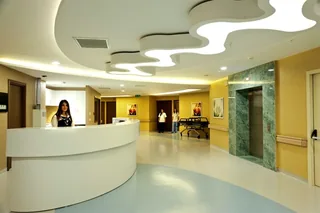

مستشفى جامعة وقفية · Selçuklu, Konya
القسم: أمراض العيون28 طبيبًا مدرجًا
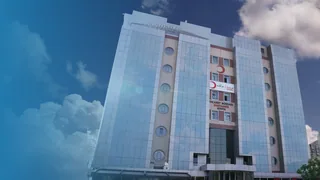
مستشفى · Meram, Konya
القسم: أمراض العيون19 طبيبًا مدرجًا
تظهر أولًا الملفات التي تضم معلومات موثّقة أكثر (وصف مكتوب، صور، أطباء مدرجون). لا تدفع أي منشأة مقابل ترتيبها. Profiles with the same amount of information appear in an order that changes every day.