Urologists in Türkiye
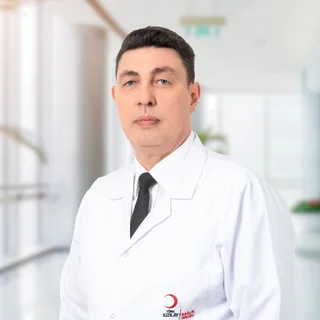
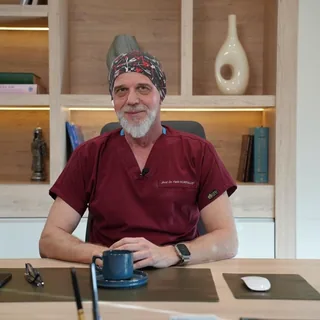
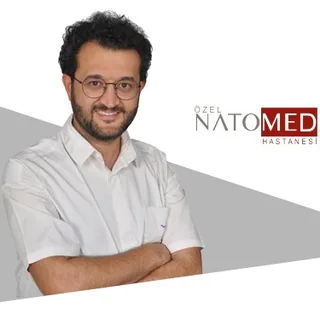
461 urologists in Türkiye are listed on Medicaltour, practising at 317 private hospitals and clinics that hold the Ministry of Health's health-tourism authorization.
125 hold the title of professor. 57 are associate professors. 233 report 20 or more years of experience. 27 have education or training abroad stated on their clinic's website. Languages stated: English (24), German (3), Spanish (1), French (1), Swedish (1). By city: Istanbul (200), Ankara (48), Izmir (32), Antalya (22), Gaziantep (14), Kocaeli (13).
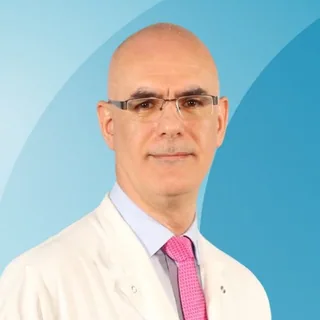
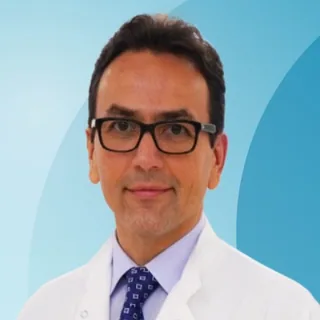
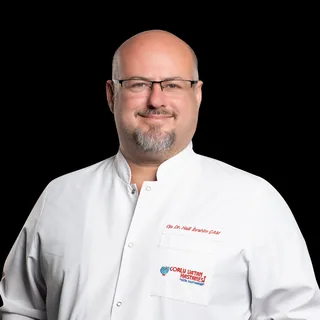
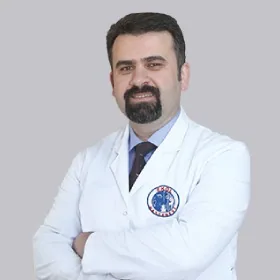
- Experience
- 32 years
- Education
- Graduated from Ankara University Faculty of Medicine in 1993
- Training
- Specialty training in Urology at Şişli Etfal Training and Research Hospital (1994-1999)
- Fellowship in Robotic Surgery at OLV Hospital Aalst, Belgium (2013)
- Observership in Urology at Wayne State University, Detroit, USA (1997)
- Clinical interests
- Uro-oncology, Robot-assisted laparoscopic urologic surgery, Laparoscopic urology, Percutaneous kidney surgery, Endourology, Urogynecology
- Memberships
- Member of Turkish Association of Urology
- Member of Endourology Society
- Member of Turkish Society of Andrology
- and 2 more
- Publications
- 31 international and 22 national publications
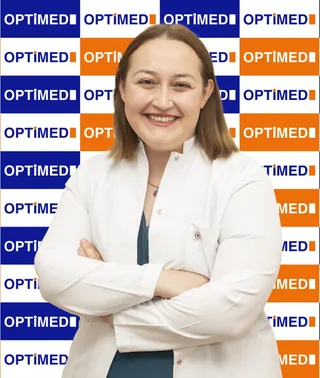
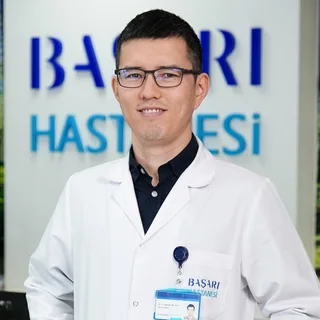
Onur Telli
M.D. Specialist · أمراض المسالك البولية في الأطفال
Prof. Dr. Onur Telli – Pediatric Urology · Kadıköy, İstanbul
- Experience
- 20 years
- Education
- Graduated from Akdeniz University Faculty of Medicine in 2006
- Training
- Specialty training in Urology at Ankara University Faculty of Medicine (completed 2012)
- Subspecialty training in Pediatric Urology at Ankara University Faculty of Medicine (from 2014)
- Research and clinical examinations in Pediatric Urology at UT Southwestern, Dallas, USA (2016-2017)
- and 1 more
- Clinical interests
- Congenital urogenital system anomalies
- Memberships
- Member of Turkish Pediatric Urology Association
- Member of European Association of Urology (EAU)
- Member of European Academy of Paediatric Urology (FEAPU)
- and 2 more
- Publications
- 50 international and 17 domestic publications
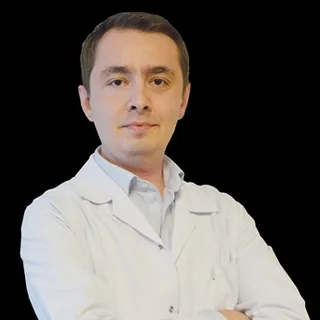
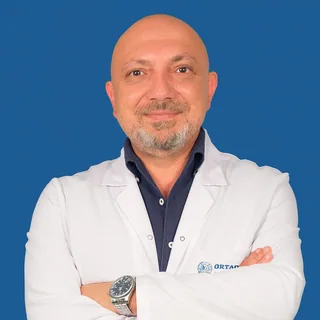
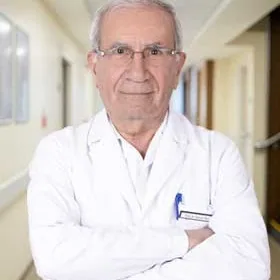
- Experience
- 28 years
- Education
- Graduated from Gazi University Faculty of Medicine in 1997
- Training
- Urology specialty training at Numune Training and Research Hospital, completed 2004
- Associate professor in 2012, professor in 2018
- Clinical interests
- Urological robotic surgery, Diagnosis and treatment of urological cancers
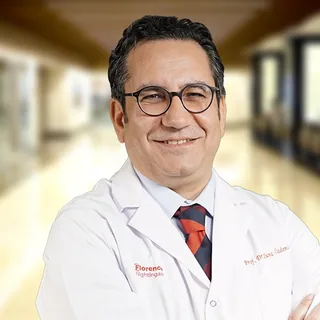
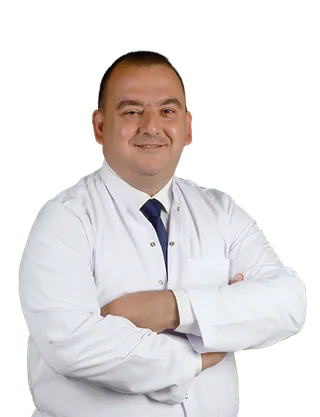
Ahmet Tunç Özdemir
Professor · أمراض المسالك البولية
Istanbul Florence Nightingale Hospital · Şişli, İstanbul
- Experience
- 22 years
- Education
- Graduated from Gazi University Faculty of Medicine in 1998
- Training
- Specialty training in Urology at Ankara Numune Training and Research Hospital (2004)
- Training in Robotic Urology and Urooncology at European Oncology Institute, Milan, Italy (2011)
- Clinical interests
- Stone diseases, Kidney diseases
- Experience
- 18 years
- Education
- Graduated from Istanbul University Istanbul Faculty of Medicine in 2001
- Training
- Specialty training in Urology at Şişli Etfal Training and Research Hospital (2001-2005)
- Fellowship in robotics, endourology and laparoscopic surgery at Tulane University School of Medicine Department of Urology, New Orleans, USA (2008-2010)
- Clinical interests
- Robotic surgery, Urological oncology, Endourology
- Memberships
- Member of Turkish Urology Association
- Member of Endourology Society
- Member of Andrology Association
- and 1 more
- Publications
- 70 scientific articles (SCI, SCIE and ESCI)
Şevket Tolga Tombul
Associate Professor · أمراض المسالك البولية
Acıbadem Kayseri Hospital · Melikgazi, Kayseri
- Experience
- 23 years
- Training
- Urology residency, Trakya University Faculty of Medicine (2009-2014)
- Clinical interests
- Uro-oncology, andrology, endourology
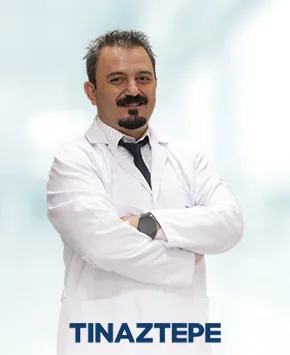
Ertuğrul Şefik
Assistant Professor · أمراض المسالك البولية
Izmir Tınaztepe University Galen Hospital · Bayraklı, İzmir
- Experience
- 37 years
- Experience
- 12 years
- Education
- Graduated from Istanbul University Cerrahpaşa Faculty of Medicine
- Clinical interests
- Infertility, Diagnosis and treatment of bladder tumor, Uroflowmetry and urodynamic studies, Prostate biopsy, Closed kidney stone surgery, Endoscopic ureter stone treatment, and 4 more
- Languages
- English
- Experience
- 7 years
- Experience
- 1 year
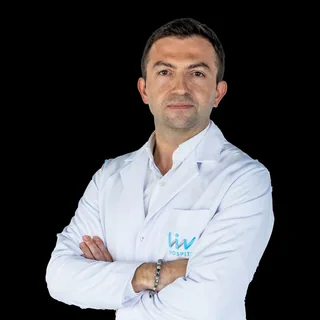
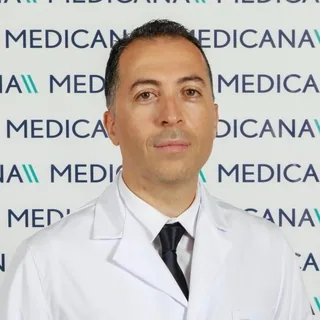
Eymen Gazel
Associate Professor · أمراض المسالك البولية
Liv Hospital Vadi İstanbul · Sarıyer, İstanbul
- Experience
- 11 years
- Education
- Graduated from Hacettepe Faculty of Medicine in 2008
- Training
- Specialty training at Turkey High Specialization Hospital (2009-2015)
- Clinical interests
- Urooncological surgery (prostate, kidney, bladder, testicular cancers), Robotic and laparoscopic surgery, Endourology (urinary system stone diseases), Laser prostate surgery (HoLEP/ThuFLEP)
- Memberships
- Member of Turkish Urology Association
- Member of Endourology Society
- Treatments
- إزالة دعامة الحالب, استئصال البروستاتا بالليزر, استئصال القيلة الدوالية, استئصال الكلية, استئصال الكلية, الجراحة الروبوتية, and 2 more
- Experience
- 23 years
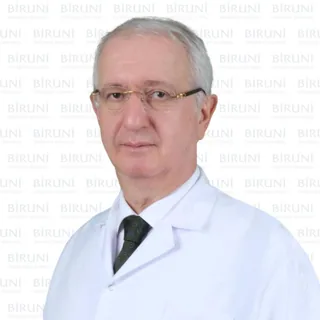
Barış Nuhoğlu
Professor · أمراض المسالك البولية
Biruni University Faculty of Medicine Hospital · Küçükçekmece, İstanbul
- Experience
- 29 years
- Experience
- 52 years
- Education
- Istanbul University Faculty of Medicine
- Memberships
- Former rector of Trakya University (4th and 5th terms)
- Experience
- 25 years
Tuncay Arı
M.D. Specialist · أمراض المسالك البولية
Bakırköy Kızılay Niyazi Mete-Ali Rıza Mete Medical Center · Bakırköy, İstanbul
- Experience
- 12 years
Fatih Osman Kurtuluş
Professor · أمراض المسالك البولية
Prof. Dr. Fatih Osman Kurtuluş – Urology · Şişli, İstanbul
- Experience
- 29 years
- Education
- Graduated from Istanbul University Cerrahpasa Faculty of Medicine in 1997
- Training
- Specialty training in Urology at Taksim Teaching and Training Hospital (completed 2002)
- Training in endourology and urooncology at Hacettepe University Faculty of Medicine, Department of Urology
- Advanced laparoscopy training at IRCAD, Strasbourg, France (2008)
- and 2 more
- Clinical interests
- Endourology, Urooncology
- Memberships
- European Association of Urology; World Association of Endourology
- Turkish Urology Association; Uro-Oncology Association
- Treatments
- إزالة دعامة الحالب, استئصال البروستاتا بالليزر, استئصال الحالب الداخلي, استئصال القيلة الدوالية, استئصال القيلة المائية, استئصال الكلية, and 21 more
- Experience
- 46 years
- Training
- Graduated from Istanbul Faculty of Medicine in 1980, then urology residency at Cerrahpaşa Faculty of Medicine
- Memberships
- President of the European Board of Urology (EBU), 2012-2014
- Experience
- 14 years
- Experience
- 26 years
- Experience
- 23 years
Osman Barut
Associate Professor · أمراض المسالك البولية
Gaziantep Medicalpoint Hospital · Şehitkâmil, Gaziantep
- Experience
- 21 years
- Education
- Graduated from Euphrates University Faculty of Medicine in 2005
- Training
- Specialty training in Urology at Euphrates University Faculty of Medicine (2012)
Mübariz Aydamirov
Surgeon · أمراض المسالك البولية
Başkent University Alanya Hospital · Alanya, Antalya
- Experience
- 9 years
- Education
- Graduated from Azerbaijan Medical University in 2012
- Training
- Specialty training in Urology at Cukurova University (2017-2022)
- Clinical interests
- Urology, Endourology, Urooncology, Andrology
- Memberships
- Member of Society of Urologic Surgery
Serkan Akdemir
M.D. Specialist · أمراض المسالك البولية
Izmir Tınaztepe University Galen Hospital · Bayraklı, İzmir
- Experience
- 27 years
Where they practise
The hospitals and clinics where the most doctors on this list work.
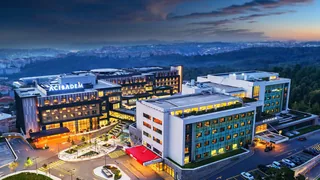
JCI-accredited Acıbadem Maslak Hospital, founded 2009: 231 beds, 75 chemotherapy rooms, robotic surgery, IVF center, NICU and Health Point Center.
Acıbadem Maslak Hospital was founded in 2009 within Acıbadem Healthcare Group, and the hospital states that a new building of 60 thousand m2 was added in an enlargement project finalized in 2018.
It lists 231 patient beds, 51 intensive care beds, 20 general operating rooms and 3 IVF operating rooms.
- Founded
- 2009
- Doctors listed
- 263
- Capacity
- 231 patient beds
- 20 general operating rooms and 3 IVF operating rooms
- Group or operator
- Part of Acıbadem Healthcare Group
- Technology
- TrueBeam, da Vinci, EOS, whole-body MRI, Trilogy, intraoperative radiotherapy, PET-CT, MR Linac and Rapid Arc, Force CT, SPECT-CT, 3 Tesla MRI, Intraoperative 3 Tesla MRI, Single-dose radiotherapy, 3D tomosynthesis mammography, and 2 more
- For international patients
- Health tourism authorization certificate number ST-0292
- Health Point Center for international patients follows their diagnostic and treatment processes
- Languages
- Albanian, Arabic, Bulgarian, English, French, Georgian, Russian, Serbian
- Accreditations
- ISO 9001, JCI
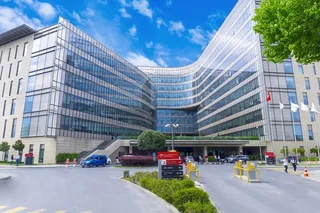
Foundation university hospital opened in 2014, part of VKV Health Institutions, with transplant, cancer, IVF and robotic surgery centers.
Prof. Abdullah Erdem Canda, a urologist with an interest in robot-assisted prostate cancer surgery, received his medical degree from Hacettepe University School of Medicine in Ankara.
- Founded
- 2014
- Doctors listed
- 221
- Group or operator
- Part of VKV Health Institutions (Vehbi Koç Foundation)
- Technology
- Da Vinci robotic surgery system, PET/CT, SPECT/CT, 3 Tesla MRI, Angiography, Endoscopic ultrasound (EUS)
- For international patients
- Transfer service
- Translation service
- Languages
- Albanian, Arabic, Bosnian, Bulgarian, English, French, German, Greek, Persian, Romanian, Russian, Serbian, Ukrainian, Uzbek

JCI-accredited hospital in Çiğli, İzmir with 272 beds, 12 operating rooms, organ and bone marrow transplants, an oncology center, IVF and maternity.
The hospital opened in 2004 and joined Acıbadem Healthcare Group on 14 February 2023.
It has 272 patient beds, 12 operating rooms and 54 intensive care beds.
- Founded
- 2004
- Doctors listed
- 108
- Capacity
- 272 patient beds
- 12 operating rooms
- Group or operator
- Joined Acıbadem Healthcare Group on 14 February 2023
- Technology
- TrueBeam and Ethos radiotherapy systems, 3 Tesla MRI, PET-CT and SPECT-CT, 3D tomosynthesis digital mammography, Da Vinci Xi robotic surgery system, Gamma Knife Esprit, O-Arm surgical imaging system and surgical navigation system, DSA angiography, and 3 more
- For international patients
- Holds health tourism authorization certificate (no. ST-0242)
- Languages
- English, French, German, Persian
- Accreditations
- JCI
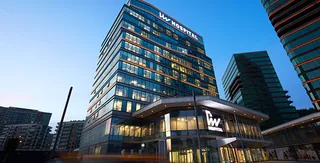
Liv Hospital Group's sixth hospital, opened 2021: robotic surgery with Da Vinci, pediatric heart and cancer surgery, IVF and 3 Tesla MRI.
Associate Professor Eymen Gazel, a urologist, lists robotic surgery among his treatments.
- Founded
- 2021
- Doctors listed
- 85
- Group or operator
- Liv Hospital Group
- Technology
- Da Vinci robotic surgery system, Intraoperative 3 Tesla MRI, 3 Tesla MR, PET/CT, SPECT CT, Force CT, CyberKnife, TrueBeam, and 3 more
- For international patients
- Transfer service
- Translation service
- Accommodation consultancy service
- Languages
- Albanian, Arabic, Bosnian, Bulgarian, Chinese, English, French, Georgian, German, Italian, Persian, Romanian, Russian, Serbian, Somali, Spanish, Ukrainian, Uzbek
- Accreditations
- ISO 9001
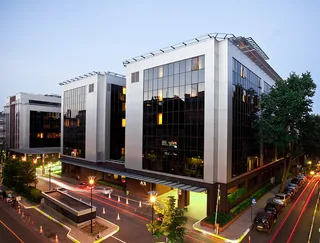
JCI-accredited Nişantaşı hospital in VKV Health Institutions: oncology, IVF, obesity surgery, Da Vinci robotic surgery and international services.
The hospital is part of VKV Health Institutions, the group that also includes Koç University Hospital and American Medical Center.
The official record lists 1995 as its foundation year, 185 doctors, 1862 personnel and 48 branches.
- Founded
- 1995
- Doctors listed
- 172
- Group or operator
- Part of VKV Health Institutions (with Koç University Hospital and American Medical Center)
- Technology
- Force CT, SPECT/CT, PET/CT, 3 Tesla MRI, Da Vinci robotic surgery system, TrueBeam radiotherapy system, Single-dose radiotherapy, 3D tomosynthesis mammography, and 2 more
- For international patients
- Translation service
- Transfer service
- Accommodation consultancy service
- Travel insurance consultancy service
- and 1 more
- Languages
- Albanian, Arabic, Bosnian, Bulgarian, English, French, Georgian, Persian, Romanian, Russian, Serbian, Ukrainian, Uzbek
- Accreditations
- ISO 27001, JCI
Questions about this list
How many urologists in Türkiye are listed?
461 urologists in Türkiye are listed on Medicaltour, practising at 317 private hospitals and clinics that hold the Ministry of Health's health-tourism authorization.
Who are the most experienced urologists in Türkiye?
By the years of experience reported on HealthTürkiye: Faruk Tarımcıoğlu (55 years), İbrahim Gülmez (54 years) and Osman Sedat Ünal (54 years).
Where do urologists in Türkiye practise?
They practise at 317 private hospitals and clinics that hold the Ministry of Health's health-tourism authorization. The most doctors on this list work at Acıbadem Maslak Hospital (10), Koç University Hospital (6) and Acıbadem Kent Hospital (5).
How many urologists in Türkiye are professors?
Of the 461 listed, 125 hold the title of professor and 57 are associate professors, as registered on HealthTürkiye.
How many urologists in Türkiye trained abroad?
27 have education or training abroad stated on their clinic's website. Countries stated: United States (15), Germany (6), France (3), Belgium (2), Switzerland (2).
Which languages do urologists in Türkiye speak?
Languages stated for individual doctors on their clinics' websites: English (24), German (3), Spanish (1), French (1), Swedish (1).
Which cities have the most urologists in Türkiye?
By the city on the Ministry of Health's list: Istanbul (200), Ankara (48), Izmir (32), Antalya (22), Gaziantep (14), Kocaeli (13).
About this specialty
In EnglishThis specialty covers the urinary system, urinary tract infections and tests such as cystoscopy.
What this specialty covers
This specialty deals with the urinary system, which drains waste and surplus water out of the body. That system is made up of two kidneys, two ureters, the bladder and the urethra.1
Urinary tract infections, or UTIs, are the second most frequent kind of infection in the body. Cystitis means the bladder is infected, pyelonephritis means one or both kidneys are, and urethritis means the urethra is. In vesicoureteral reflux, urine travels backwards from the bladder towards the ureters and kidneys.1,2,3
Cystoscopy, a common test in this field, lets a healthcare professional see inside the bladder. It can help investigate bladder symptoms, treat some bladder conditions, and diagnose and treat bladder cancer.4
Who it is usually for
UTIs are roughly four times more common in women than in men, partly because the female urethra is shorter and sits nearer to the anus. Risk also rises with diabetes, spinal cord injury, menopause, or the need for a tube to drain the bladder. An enlarged prostate, a narrowed urethra, other blockages, or a bladder that does not empty fully (urinary retention) can add to it. Uncircumcised boys have a slightly raised risk before their first birthday.1,2,3
What a visit usually involves
A urine test can show whether a UTI is present. Urinalysis looks for blood cells, bacteria and nitrites, and a clean-catch culture can identify the bacteria to guide antibiotic choice.1,2
In cystoscopy, a thin tube with a small camera, called a cystoscope, is passed through the urethra into the bladder, which is then filled with saline. A flexible cystoscopy is usually done under local anaesthetic, which numbs the area, and takes about 10 to 15 minutes. A rigid cystoscopy uses a straight tube, is often chosen to treat bladder conditions, lasts about 30 minutes, and usually requires several hours without food or drink beforehand.4
Treatment and follow-up
Antibiotics are the treatment for UTIs. For a simple bladder infection, a course lasts 1 to 5 days for women and 7 to 14 days for men, and symptoms often settle within 24 to 48 hours. Stopping early may let the infection return in a harder-to-treat form.1,2
Severe kidney infections may need hospital treatment with fluids and antibiotics into a vein, and structural problems in the urinary tract may need surgery.2
A cystoscope can also remove bladder stones, help shrink an enlarged prostate, or deliver medicines such as Botox into the bladder for overactive bladder. People can go home soon after a flexible cystoscopy; after a spinal or general anaesthetic, someone should accompany them home and stay for 24 hours.4
Risks to discuss with your doctor
A UTI can lead to sepsis, a life-threatening overreaction to infection, particularly among young people, very old adults and anyone whose immunity is weakened. UTIs can also damage or scar the kidneys, and repeated kidney infections may cause long-term harm. A fever above 101°F (38.3°C) may mean the infection has reached the kidneys. Confusion can sometimes be the only sign of a UTI in older people. After cystoscopy, there may be a little blood in the urine for a few days, and passing urine may hurt.2,3,4
Questions to ask a clinic
- Which of the 2 types of cystoscopy do you plan to use, and why?4
- Will the procedure need to be moved if an infection is found beforehand?4
- How do you manage UTIs that keep coming back or do not clear with treatment?2
- Will there be a follow-up appointment to go over results and next steps?4
Other specialties
- Dentists in Türkiye (4,241)
- Internal medicine specialists in Türkiye (1,314)
- Gynecologists and obstetricians in Türkiye (1,170)
- Pediatricians in Türkiye (914)
- ENT specialists in Türkiye (892)
- Ophthalmologists in Türkiye (821)
- General surgeons in Türkiye (806)
- Plastic surgeons in Türkiye (767)
- Orthopedic surgeons in Türkiye (699)
- Anesthesiologists in Türkiye (674)
- Oral and maxillofacial surgeons in Türkiye (605)
- Radiologists in Türkiye (528)
Specialty is the department each doctor is registered in on HealthTürkiye, the official health-tourism portal.