Pediatric cardiologists in Türkiye
40 pediatric cardiologists in Türkiye are listed on Medicaltour, practising at 36 private hospitals and clinics that hold the Ministry of Health's health-tourism authorization.
21 hold the title of professor. 3 are associate professors. 16 report 20 or more years of experience. 1 has education or training abroad stated on the clinic's website. Languages stated: English (2), German (1). By city: Istanbul (21), Ankara (4), Izmir (4), Bursa (2), Kayseri (2), Kocaeli (2).
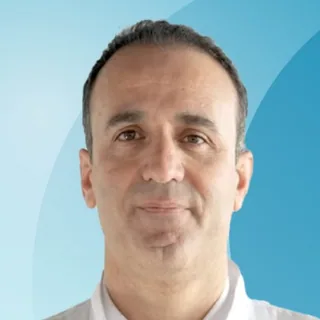
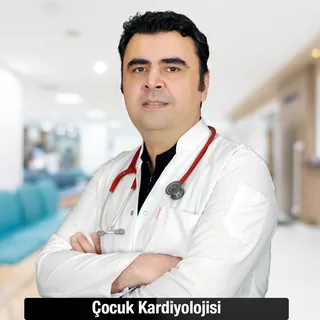
Meki Bilici
Associate Professor · أمراض القلب في الأطفال
Liv Hospital Vadi İstanbul · Sarıyer, İstanbul
- Experience
- 28 years
- Education
- Graduated from Dicle University Faculty of Medicine in 1998
- Training
- Specialty training in Pediatric Health and Diseases at Dicle University Faculty of Medicine (2003)
- Minor specialty training in Pediatric Cardiology at Ankara Fatih University (2007-2010)
- Clinical interests
- Interventional cardiology, Congenital heart diseases, Angiography, Fetal echocardiography, Rheumatic heart disease, Echocardiography, and 3 more
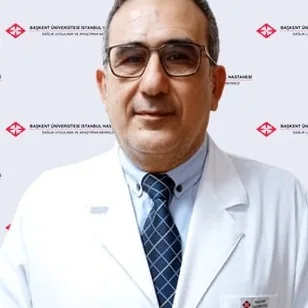
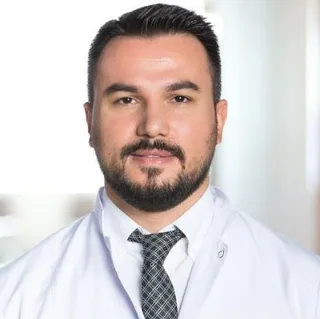
Osman Küçükosmanoğlu
Professor · أمراض القلب في الأطفال
Başkent University Istanbul Health Research and Application Center · Üsküdar, İstanbul
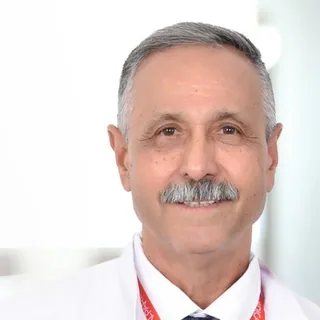
Niyazi Kürşad Tokel
Professor · أمراض القلب في الأطفال
Başkent University Alanya Hospital · Alanya, Antalya
- Experience
- 39 years
- Education
- Graduated from Hacettepe University Faculty of Medicine in 1987
- Training
- Specialty training in Child Health and Diseases at Sami Ulus Children's Hospital (1987-1992)
- Subspecialty training in Pediatric Cardiology at Hacettepe University Faculty of Medicine (1992-1995)
- Experience
- 13 years
- Experience
- 24 years
- Experience
- 21 years
- Education
- Graduated from Istanbul University Istanbul Faculty of Medicine in 2004
- Training
- Specialty training in Pediatrics at Istanbul Bakırköy Obstetrics and Gynecology Training and Research Hospital (2005-2010)
- Subspecialty training in Pediatric Cardiology at Erciyes University Faculty of Medicine (2010-2014)
- Training in Pediatric Interventional Cardiology and Congenital Heart Disease Postoperative Intensive Care at Justus-Liebig University Giessen, Germany (2012-2013)
- Clinical interests
- Arrhythmia, Echocardiogram, Pulmonary hypertension, Interventional heart catheterization, Intensive care
- Memberships
- Member of Turkish Medical Association Mersin Medical Chamber
- Member of Turkish Pediatric Association
- Member of Turkish Society of Pediatric Cardiology and Cardiovascular Surgery
- and 2 more
Ayhan Çevik
Professor · أمراض القلب في الأطفال
Acıbadem University Atakent Hospital · Küçükçekmece, İstanbul
- Experience
- 15 years
- Education
- Graduated from Hacettepe University Faculty of Medicine (English) in 2001
- Training
- Pediatric cardiology subspecialty training, Başkent University Faculty of Medicine, completed 2018
- Experience
- 24 years
- Training
- Specialty training in Pediatrics (Child Health and Diseases) at Dr. Sami Ulus Maternity and Children's Health and Diseases Training and Research Hospital (2002-2008)
- Subspecialty training in Pediatric Cardiology at Dokuz Eylül University Faculty of Medicine (2009-2013)
- Clinical interests
- Diagnosis and management of congenital heart disease, Fetal echocardiography, Transesophageal echocardiography, Intraoperative echocardiography, Childhood arrhythmias, Acquired heart disease in childhood, and 3 more
- Memberships
- Member of the Turkish Society of Pediatric Cardiology and Cardiac Surgery
- Member of The Association for European Paediatric and Congenital Cardiology (AEPC)
- Member of the Turkish Medical Association
- Languages
- English, German
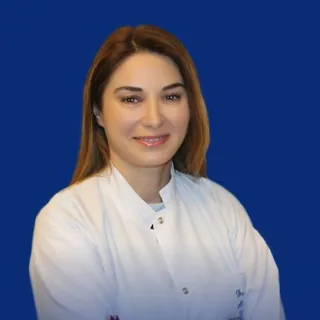
Damla İnce
Surgeon · أمراض القلب في الأطفال
Istanbul Atlas University Faculty of Medicine Hospital · Bağcılar, İstanbul
- Experience
- 11 years
- Experience
- 47 years
- Education
- Graduated from Ege University Faculty of Medicine in 1979
- Training
- Specialty training in Child Health and Diseases at Selçuk University (1990)
- Subspecialty training in Pediatric Cardiology at Hacettepe University (1998)
- Experience
- 4 years
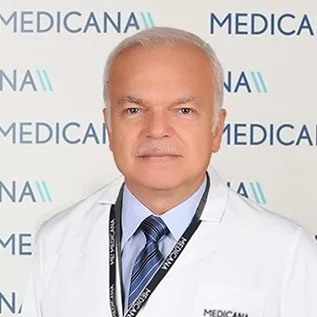
Seyyit Bahaettin Öncü
M.D. Specialist · أمراض القلب في الأطفال
Medicana Bursa Hospital · Nilüfer, Bursa
- Experience
- 19 years
Selma Oktay Ergin
M.D. Specialist · أمراض القلب في الأطفال
Altınbaş University Medical Park Bahçelievler Hospital · Bahçelievler, İstanbul
- Experience
- 13 years
- Experience
- 48 years
- Experience
- 24 years
Mehmet Çoşkun Dorak
M.D. Specialist · أمراض القلب في الأطفال
Egepol International Hospital · Konak, İzmir
- Experience
- 2 years
- Experience
- 33 years
M. Kemal Baysal
Professor · أمراض القلب في الأطفال
Medicana International Samsun Hospital · Canik, Samsun
- Experience
- 49 years
- Experience
- 32 years
Erman Çilsal
Associate Professor · أمراض القلب في الأطفال
Acıbadem International Hospital · Bakırköy, İstanbul
Mete Han Kizilkaya
M.D. Specialist · أمراض القلب في الأطفال
Koç University Hospital · Zeytinburnu, İstanbul
Nazlıhan Günal
Professor · أمراض القلب في الأطفال
Medicana International Ankara Hospital · Çankaya, Ankara
- Experience
- 48 years
Zeliha Gül Saylam
Doctor · أمراض القلب في الأطفال
Acıbadem Dr. Şinasi Can Hospital · Kadıköy, İstanbul
Vedat Okutan
Professor · أمراض القلب في الأطفال
Lösante Children's and Adult Hospital · Gölbaşı, Ankara
- Experience
- 29 years

Where they practise
The hospitals and clinics where the most doctors on this list work.

JCI-accredited Acıbadem Maslak Hospital, founded 2009: 231 beds, 75 chemotherapy rooms, robotic surgery, IVF center, NICU and Health Point Center.
The chemotherapy department has 75 chemotherapy rooms for adult and pediatric patients.
- Founded
- 2009
- Doctors listed
- 263
- Capacity
- 231 patient beds
- 20 general operating rooms and 3 IVF operating rooms
- Group or operator
- Part of Acıbadem Healthcare Group
- Technology
- TrueBeam, da Vinci, EOS, whole-body MRI, Trilogy, intraoperative radiotherapy, PET-CT, MR Linac and Rapid Arc, Force CT, SPECT-CT, 3 Tesla MRI, Intraoperative 3 Tesla MRI, Single-dose radiotherapy, 3D tomosynthesis mammography, and 2 more
- For international patients
- Health tourism authorization certificate number ST-0292
- Health Point Center for international patients follows their diagnostic and treatment processes
- Languages
- Albanian, Arabic, Bulgarian, English, French, Georgian, Russian, Serbian
- Accreditations
- ISO 9001, JCI

JCI-accredited university hospital in İstanbul: 262 beds, transplant and oncology centers, robotic surgery and a Health Point international unit.
Cardiac care covers adult and pediatric cardiology, cardiovascular surgery and pediatric cardiovascular surgery, along with interventional cardiology and interventional radiology.
- Founded
- 2013
- Doctors listed
- 57
- Capacity
- 262 beds
- 12 operating rooms
- Group or operator
- Part of Acıbadem Healthcare Group
- Technology
- Da Vinci robotic surgery system, Radiation oncology: TrueBeam, VitalBeam and Radixact, PET-CT and SPECT-CT for diagnosis and treatment planning, 3 Tesla and 1,5 Tesla MRI, Low-dose CT, 3D tomosynthesis digital mammography, Digital angiography, Endoscopic ultrasound (EUS)
- For international patients
- Holds a health tourism authorization certificate (no. ST-0562)
- Health Point unit serving international patients in 16 languages
- Transfer service
- Translation service
- Awards
- Baby-Friendly Hospital title
- Neonatal Intensive Care Friendly Hospital title
- Languages
- Albanian, Arabic, Bosnian, Bulgarian, English, French, Georgian, Romanian, Russian, Serbian
- Accreditations
- JCI
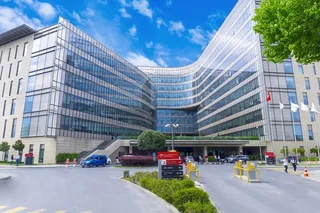
Foundation university hospital opened in 2014, part of VKV Health Institutions, with transplant, cancer, IVF and robotic surgery centers.
Transplant work is organised through an Organ Transplant Center covering kidney and liver transplants, alongside a bone marrow (stem cell) transplant center and a dedicated Pediatric Bone Marrow Transplant Center.
- Founded
- 2014
- Doctors listed
- 221
- Group or operator
- Part of VKV Health Institutions (Vehbi Koç Foundation)
- Technology
- Da Vinci robotic surgery system, PET/CT, SPECT/CT, 3 Tesla MRI, Angiography, Endoscopic ultrasound (EUS)
- For international patients
- Transfer service
- Translation service
- Languages
- Albanian, Arabic, Bosnian, Bulgarian, English, French, German, Greek, Persian, Romanian, Russian, Serbian, Ukrainian, Uzbek
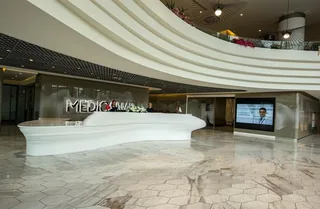
300-bed Medicana group hospital in Bursa with a 13-bed bone marrow transplant unit, radiotherapy, pediatric heart surgery and an international unit.
Pediatric departments include pediatric cardiovascular surgery, pediatric hematology and oncology, and neonatal intensive care.
- Doctors listed
- 101
- Capacity
- 300-bed capacity
- Group or operator
- Part of Medicana Healthcare Group
- Technology
- Versa HD and Synergy Platform linear accelerators, Linear accelerator (Linac) for radiotherapy, PET-CT, SPECT-CT, Da Vinci robotic surgery, CyberKnife, Endoscopic ultrasound (EUS), 1.5 Tesla MRI, and 6 more
- For international patients
- Holds health tourism authorization certificate no. ST-0133
- Dedicated international patient unit
- International patient center staff speak Arabic and English
- Translation service
- Languages
- Arabic, Bosnian, English, French, Georgian, German, Russian, Uzbek
- Accreditations
- AACI, ISO 9001, JCI

JCI-accredited Acıbadem Healthcare Group hospital opened in 2017, with bone marrow transplant, oncology, Gamma Knife Icon and Health Point services.
The hospital has an adult and pediatric bone marrow transplantation center alongside a cell therapy unit.
- Founded
- 2017
- Doctors listed
- 199
- Capacity
- 350 beds
- Group or operator
- Acıbadem Healthcare Group
- Technology
- Triple hybrid operating theatre system with 3 Tesla MRI, 128-slice sliding CT and robotic-arm angiography, Intraoperative 3 Tesla MRI, Da Vinci robotic surgery system, Tomotherapy HDA, TrueBeam linear accelerator, VitalBeam and Gamma Knife Icon in the oncology unit, PET/CT, SPECT/CT, and 3 more
- For international patients
- Holds health tourism authorization certificate no. ST-0413
- International patient unit 'Health Point' serving in 16 languages
- Awards
- LEED Gold certified green building
- Languages
- Albanian, Arabic, Bosnian, Bulgarian, English, French, Georgian, Persian, Romanian, Russian, Serbian, Somali, Ukrainian, Uzbek
- Accreditations
- JCI
Questions about this list
How many pediatric cardiologists in Türkiye are listed?
40 pediatric cardiologists in Türkiye are listed on Medicaltour, practising at 36 private hospitals and clinics that hold the Ministry of Health's health-tourism authorization.
Who are the most experienced pediatric cardiologists in Türkiye?
By the years of experience reported on HealthTürkiye: M. Kemal Baysal (49 years), Nazlıhan Günal (48 years) and Kazım Üzüm (48 years).
Where do pediatric cardiologists in Türkiye practise?
They practise at 36 private hospitals and clinics that hold the Ministry of Health's health-tourism authorization. The most doctors on this list work at Acıbadem Maslak Hospital (2), Acıbadem University Atakent Hospital (2) and Koç University Hospital (2).
How many pediatric cardiologists in Türkiye are professors?
Of the 40 listed, 21 hold the title of professor and 3 are associate professors, as registered on HealthTürkiye.
How many pediatric cardiologists in Türkiye trained abroad?
1 has education or training abroad stated on their clinic's website. Countries stated: Germany (1).
Which languages do pediatric cardiologists in Türkiye speak?
Languages stated for individual doctors on their clinics' websites: English (2), German (1).
Which cities have the most pediatric cardiologists in Türkiye?
By the city on the Ministry of Health's list: Istanbul (21), Ankara (4), Izmir (4), Bursa (2), Kayseri (2), Kocaeli (2).
About this specialty
In EnglishPediatric cardiology includes the care of heart defects present from birth, known as congenital heart disease.
What this specialty covers
This specialty largely deals with congenital heart disease (CHD), a difference in the heart's structure and function that exists from birth. CHD is the most frequent kind of birth defect. Doctors often sort it into cyanotic types, which cause bluish skin from low oxygen, and non-cyanotic types.1
Such defects can change how the heart pumps, and the most severe forms go by the name critical congenital heart disease.2
Who it is usually for
Heart defects can be one feature of a genetic or chromosomal syndrome. Diabetes before pregnancy or in its first 3 months, and rubella during pregnancy, may raise the chance of a heart defect in the baby. The chance is also higher when either parent has a heart defect.1,2
Signs in babies and children can include feeding difficulty, slow weight gain and growth, and unusual sleepiness or tiring during feeds. Critical forms usually need surgery in the first year, while milder defects may not cause symptoms until childhood or adulthood. Surgery is considered when a defect could affect a child's long-term health or well-being.2,3,4
What a visit usually involves
Most defects are first found on a pregnancy ultrasound, and a detailed fetal echocardiogram is done between weeks 18 and 22. All newborns are screened in their first few days with a pulse oximeter, a clip on a hand or foot that measures blood oxygen.1,2
Other tools include a physical exam, listening for a murmur with a stethoscope, an electrocardiogram of the heart's electrical activity, and chest X-rays. Echocardiogram or MRI scans show the heart and nearby vessels, and angiography uses a dye to trace blood flow. Genetic testing may show whether a gene problem caused the defect. The tests chosen depend on the type of defect and the symptoms.1,2,3
Treatment and follow-up
Many defects are watched over time; some improve on their own, while others need treatment. Some respond to medicine alone, such as diuretics for fluid build-up or anti-arrhythmics for an irregular heartbeat, while others need one or more procedures or operations.1,3
In cardiac catheterization, a thin tube is guided along a vein to the heart to fix simpler problems, for instance a small opening in the heart's inner wall. Tetralogy of Fallot needs open-heart surgery, often between 6 months and 2 years of age, and hypoplastic left heart most often needs three operations.2,4
People with these defects need regular cardiologist follow-up for life, even after repair. Regular dental care matters, as gum infections can cause complications, and the care team can advise on safe activity levels.2,3
Risks to discuss with your doctor
No other birth defect causes as many deaths during a baby's first year as CHD. It can strain the heart and lungs, and complications may appear with age. Possible problems include endocarditis (infection of the heart's lining and valves), arrhythmia (irregular heart rate or rhythm), pulmonary hypertension (high blood pressure in the lungs), and kidney and liver disease. Speech and language problems are more common in these children.1,2,3
Questions to ask a clinic
- Is my child likely to need more than one surgery or catheterization over the years?2,4
- Does your center perform catheter-based ASD closure?4
- Is your center specialized in operations for complex defects such as hypoplastic left heart?4
- Should we discuss genetic counseling or screening if CHD runs in the family?1
Not sure who to choose?
Describe what you need and we pass your request to suitable authorized providers so a quote can be prepared. It does not commit you to anything.
اطلب عرض سعرOther specialties
- Dentists in Türkiye (4,241)
- Internal medicine specialists in Türkiye (1,314)
- Gynecologists and obstetricians in Türkiye (1,170)
- Pediatricians in Türkiye (914)
- ENT specialists in Türkiye (892)
- Ophthalmologists in Türkiye (821)
- General surgeons in Türkiye (806)
- Plastic surgeons in Türkiye (767)
- Orthopedic surgeons in Türkiye (699)
- Anesthesiologists in Türkiye (674)
- Oral and maxillofacial surgeons in Türkiye (605)
- Radiologists in Türkiye (528)
Specialty is the department each doctor is registered in on HealthTürkiye, the official health-tourism portal.