Nephrologists in Türkiye
76 nephrologists in Türkiye are listed on Medicaltour, practising at 63 private hospitals and clinics that hold the Ministry of Health's health-tourism authorization.
33 hold the title of professor. 14 are associate professors. 43 report 20 or more years of experience. 2 have education or training abroad stated on their clinic's website. Languages stated: English (6). By city: Istanbul (37), Ankara (8), Izmir (7), Antalya (6), Konya (4), Gaziantep (3).
- Experience
- 31 years
- Education
- Graduated from Ankara University Faculty of Medicine in 1989
- Training
- Specialty training in Internal Medicine at Ankara University Faculty of Medicine (1989-1995)
- Subspecialty training in Nephrology at Başkent University Faculty of Medicine (1995-1997)
- Clinical interests
- Hypertension, Kidney diseases, Diabetes and insulin resistance, Thyroid diseases, Vitamin deficiencies, High cholesterol, and 2 more
- Experience
- 29 years
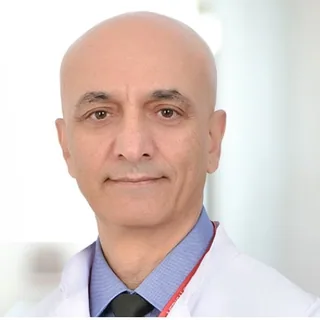
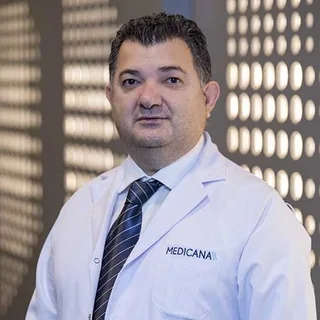
Mehmet Emin Demir
Associate Professor · أمراض الكلى
Medicana International Ankara Hospital · Çankaya, Ankara
- Experience
- 16 years
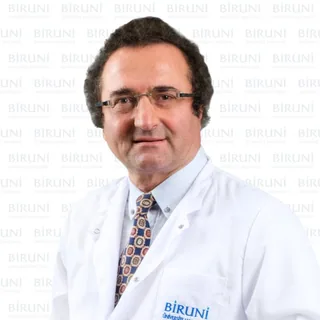
Alaattin Yıldız
Professor · أمراض الكلى
Biruni University Faculty of Medicine Hospital · Küçükçekmece, İstanbul
- Experience
- 23 years
- Education
- Graduated from Hacettepe University Faculty of Medicine in 1995
- Training
- Specialty training in Internal Medicine at Akdeniz University Department of Internal Medicine (1996-2001)
- Specialty training in Nephrology at Akdeniz University Division of Nephrology
- Memberships
- Member of the Turkish Society of Nephrology
- Member of the European Renal Association (ERA-EDTA)
- Member of the Middle East Society of Organ Transplantation (MESOT)
- and 1 more
- Experience
- 34 years
- Education
- Istanbul University-Cerrahpaşa, Cerrahpaşa Faculty of Medicine
- Clinical interests
- Nutrition, fluid balance and quality of life in dialysis patients
- Treatments
- غسيل الكلى
- Experience
- 42 years
- Education
- Graduated from Ankara University Faculty of Medicine in 1992
- Training
- Specialty training in Internal Medicine at Çukurova University (1997)
- Clinical interests
- Nephrology
- Languages
- English
- Experience
- 27 years
- Education
- Graduated from Istanbul University Cerrahpaşa Faculty of Medicine in 1998
- Training
- Specialty training in Anesthesia at Ankara Numune Training and Research Hospital (1999-2001)
- Specialty training in Internal Medicine at Kırıkkale University Faculty of Medicine (2001-2006)
- Subspecialty training in Nephrology at Ankara Training and Research Hospital (2008-2012)
- Languages
- English
Mahmut Altındal
Assistant Professor · أمراض الكلى
Altınbaş University Medical Park Bahçelievler Hospital · Bahçelievler, İstanbul
- Education
- Graduated from Istanbul University Cerrahpaşa Faculty of Medicine in 2002
- Training
- Specialty training in Internal Medicine at Okmeydanı Training and Research Hospital (2008)
- Specialty training in Nephrology at Hacettepe University Faculty of Medicine (2013)
- Clinical interests
- Hypertension, Glomerulonephritis, Protein leaks, Acute kidney failure, Chronic renal failure, Dialysis, and 1 more
- Memberships
- Member of Turkish Hypertension and Kidney Diseases Association
- Member of Turkish Nephrology Association
- Member of European Renal Association-European Dialysis and Transplantation Association (ERA-EDTA)
- and 1 more
- Experience
- 54 years
- Education
- Istanbul University, Istanbul Faculty of Medicine
- Clinical interests
- Holiday and guest dialysis
- Treatments
- غسيل الكلى
- Experience
- 30 years
- Education
- Graduated from Ege University Faculty of Medicine in 1996
- Training
- Summer internship (MSIC program) at Republican Clinical Hospital of Kazan, Russia (1994)
- Summer internship (MSIC program) at Asr El Aini Hospital, Cairo University, Egypt (1995)
- Clinical interests
- Internal Medicine, Nephrology
- Memberships
- Member of Istanbul Chamber of Medicine
- Member of Turkish Association of Nephrology
Reha Erkoç
Professor · أمراض الكلى
Altınbaş University Medical Park Bahçelievler Hospital · Bahçelievler, İstanbul
- Experience
- 28 years
- Clinical interests
- Hemodialysis
- Treatments
- إزالة دعامة الحالب, العلاجات الداعمة وخدمات المتابعة لمرضى الكلى في المرحلة النهائية, علاج أمراض الكلى, غسيل الكلى
- Experience
- 34 years
- Experience
- 30 years
- Education
- Graduated from Hacettepe University Faculty of Medicine in 1996
- Training
- Specialty training in Internal Medicine at Hacettepe University Faculty of Medicine (1996–2001)
- Specialty training in Nephrology at Hacettepe University Faculty of Medicine (2001–2003)
- Clinical interests
- Arterial hypertension, Acute and chronic kidney diseases, Chronic kidney diseases in pre-dialysis and dialysis stages, Urinary tract infections, Kidney stone disease, Diabetic nephropathy, and 4 more
- Languages
- English
- Experience
- 27 years
- Experience
- 31 years
- Education
- Graduated from Hacettepe University Faculty of Medicine in 1993
- Training
- Specialty training in Internal Medicine at Dokuz Eylül University (1999)
- Specialty training in Nephrology at İnönü University Faculty of Medicine (2013)
- Clinical interests
- Kidney diseases, Dialysis, Hypertension, Kidney transplantation
- Memberships
- Member of Turkish Society of Nephrology
- Member of European Renal Association
- Experience
- 22 years
İsmail Rıfkı Ersoy
Assistant Professor · أمراض الكلى
Izmir Tınaztepe University Galen Hospital · Bayraklı, İzmir
- Experience
- 29 years
- Education
- Graduated from Hacettepe University Faculty of Medicine in 1997
- Training
- Specialty training in Internal Medicine at Hacettepe University Faculty of Medicine (2002)
- Specialty training in Nephrology at Hacettepe University Faculty of Medicine (2004)
- Clinical interests
- Hypertension, Glomerular diseases, Diabetic nephropathy, Hemodialysis treatment and related disorders, Peritoneal dialysis treatment-related disorders, Kidney transplantation, patient preparation and postoperative management, and 1 more
- Memberships
- Member of Turkish Society of Nephrology
- Member of Turkish Hypertension and Kidney Disease Society
- Member of European Renal Association / European Dialysis and Transplantation Association (ERA/EDTA)
- Experience
- 17 years
- Clinical interests
- Hemodialysis
- Treatments
- إزالة دعامة الحالب, العلاجات الداعمة وخدمات المتابعة لمرضى الكلى في المرحلة النهائية, علاج أمراض الكلى, غسيل الكلى
- Experience
- 30 years
- Education
- Graduated from Çukurova University Faculty of Medicine in 1995
- Training
- Specialty training in Internal Medicine at Çukurova University Faculty of Medicine (2002)
- Specialty training in Nephrology at Başkent University Adana Hospital (2006)
- Clinical interests
- Treatment of kidney diseases, Preventive care for kidney function in hypertension, diabetes and atherosclerosis, Supportive treatment and follow-up of end-stage kidney disease, Kidney inflammation (nephritis and pyelonephritis), Acute kidney failure, Chronic kidney failure, and 4 more
- Languages
- English
- Experience
- 52 years
- Experience
- 33 years
- Experience
- 18 years
Borçak Çağlar Ruhi
Associate Professor · أمراض الكلى
Acıbadem University Atakent Hospital · Küçükçekmece, İstanbul
- Experience
- 10 years
Ayman M.A Abudalal
M.D. Specialist · أمراض الكلى
Başkent University Istanbul Health Research and Application Center · Üsküdar, İstanbul
- Experience
- 5 years
- Experience
- 33 years
- Education
- Studied at Hacettepe University Faculty of Medicine (1978-1984)
- Clinical interests
- Hypertension, Blood pressure measurement and instruments, Chronic kidney disorder, Hemodialysis and peritoneal dialysis, Amyloidosis and Familial Mediterranean Fever
- Memberships
- Member of American Society of Nephrology (ASN)
- Member of European Renal Association-European Dialysis and Transplantation Association (ERA-EDTA)
- Member of Turkish Society of Nephrology Association
- and 2 more
- Publications
- 141 international publications and 11 books
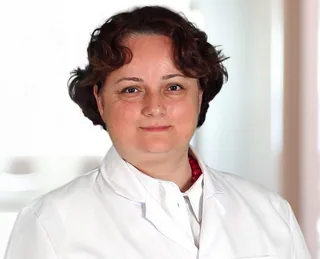

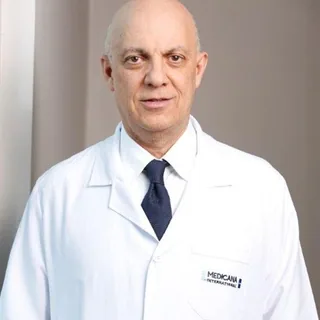
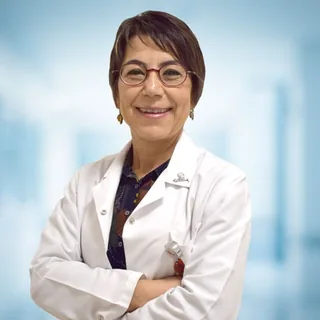
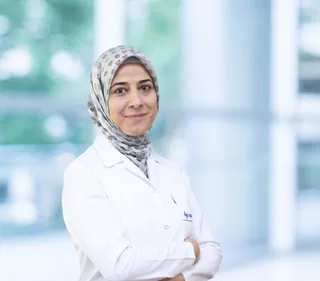

Where they practise
The hospitals and clinics where the most doctors on this list work.
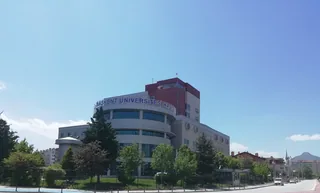
Foundation university hospital in Konya, opened in 2003, with 820 staff, cardiology, angiography, and transfer and translation support.
Opened in 2003, the Konya hospital of Başkent University operates as a foundation university hospital.
The official record lists 820 personnel working at the hospital.
- Founded
- 2003
- Doctors listed
- 28
- Group or operator
- Hospital of Başkent University
- Technology
- Angiography, Ultrasonography, Panoramic dental X-ray
- For international patients
- Transfer service
- Translation service
- Accommodation consultancy service
- Air ambulance service
- Languages
- Arabic, English, French, Russian, Somali
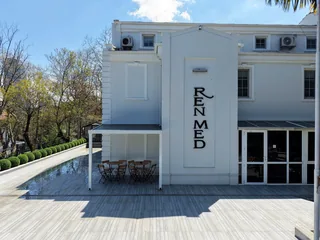
Dialysis center founded in 1983 offering hemodialysis, HDF and guest and holiday dialysis for patients from abroad, with 34 Fresenius machines.
RENMED takes its name from 'Renal Medicine'.
Its operating company, Renmed Sağlık Hizmetleri A.Ş., was set up in 1983 with an outpatient clinic licence.
- Founded
- 1983
- Doctors listed
- 3
- Technology
- 34 hemodialysis machines plus 1 spare, Fresenius 4008 S HDF dialysis machines, Fresenius 4008 S dialysis machines, Fresenius Nova dialysis chairs, Fresenius reverse osmosis water unit, Fresenius endotoxin filter, Defibrillator, monitor and ECG for emergencies, Dialysis machines with dialysate flow adjustment, automatic blood pressure monitoring, recirculation pump and hemodiafiltration module, and 1 more
- For international patients
- Provides dialysis to patients coming from abroad
- Holds an International Health Tourism Authorization Certificate (ST – 1888, dated 01.08.2022)
- Guest and holiday dialysis
- Languages
- English

Acıbadem hospital opened in 2022 with 295 beds, a separate pediatric building, 34 chemotherapy units, Ethos and TrueBeam radiotherapy and IVF services.
The hospital opened in 2022 as part of Acıbadem Healthcare Group, which was founded in 1991.
The hospital states that it is Acıbadem's 18th hospital in Türkiye and 24th worldwide.
- Founded
- 2022
- Doctors listed
- 36
- Capacity
- 295
- 10 operating rooms, plus 1 IVF operating room, 1 minor surgery room, 3 endoscopy/colonoscopy rooms and 2 angiography intervention rooms
- Group or operator
- Acıbadem Healthcare Group
- Technology
- Smart building technologies and a Command Center system, Ethos and TrueBeam radiotherapy devices in radiation oncology, Two 3 Tesla and 1.5 Tesla MRI devices, Two low-dose CT scanners, PET-CT and Force CT, EUS, EBUS and Fibroscan, 3D tomosynthesis digital mammography, 2-plane digital angiography, and 1 more
- Languages
- Albanian, Arabic, Bosnian, English, French, Georgian, Russian, Serbian

JCI-accredited hospital in Çiğli, İzmir with 272 beds, 12 operating rooms, organ and bone marrow transplants, an oncology center, IVF and maternity.
The hospital opened in 2004 and joined Acıbadem Healthcare Group on 14 February 2023.
It has 272 patient beds, 12 operating rooms and 54 intensive care beds.
- Founded
- 2004
- Doctors listed
- 108
- Capacity
- 272 patient beds
- 12 operating rooms
- Group or operator
- Joined Acıbadem Healthcare Group on 14 February 2023
- Technology
- TrueBeam and Ethos radiotherapy systems, 3 Tesla MRI, PET-CT and SPECT-CT, 3D tomosynthesis digital mammography, Da Vinci Xi robotic surgery system, Gamma Knife Esprit, O-Arm surgical imaging system and surgical navigation system, DSA angiography, and 3 more
- For international patients
- Holds health tourism authorization certificate (no. ST-0242)
- Languages
- English, French, German, Persian
- Accreditations
- JCI

JCI-accredited university hospital in İstanbul: 262 beds, transplant and oncology centers, robotic surgery and a Health Point international unit.
Acıbadem Atakent Hospital holds the JCI Academic Medical Center Hospital accreditation.
The hospital states that it serves as the university hospital of Acıbadem Mehmet Ali Aydınlar University.
- Founded
- 2013
- Doctors listed
- 57
- Capacity
- 262 beds
- 12 operating rooms
- Group or operator
- Part of Acıbadem Healthcare Group
- Technology
- Da Vinci robotic surgery system, Radiation oncology: TrueBeam, VitalBeam and Radixact, PET-CT and SPECT-CT for diagnosis and treatment planning, 3 Tesla and 1,5 Tesla MRI, Low-dose CT, 3D tomosynthesis digital mammography, Digital angiography, Endoscopic ultrasound (EUS)
- For international patients
- Holds a health tourism authorization certificate (no. ST-0562)
- Health Point unit serving international patients in 16 languages
- Transfer service
- Translation service
- Awards
- Baby-Friendly Hospital title
- Neonatal Intensive Care Friendly Hospital title
- Languages
- Albanian, Arabic, Bosnian, Bulgarian, English, French, Georgian, Romanian, Russian, Serbian
- Accreditations
- JCI
Questions about this list
How many nephrologists in Türkiye are listed?
76 nephrologists in Türkiye are listed on Medicaltour, practising at 63 private hospitals and clinics that hold the Ministry of Health's health-tourism authorization.
Who are the most experienced nephrologists in Türkiye?
By the years of experience reported on HealthTürkiye: Abdullah Nedim Sarsmaz (54 years), Itır Yeğenaga (53 years) and Ali Başçı (52 years).
Where do nephrologists in Türkiye practise?
They practise at 63 private hospitals and clinics that hold the Ministry of Health's health-tourism authorization. The most doctors on this list work at Başkent University Konya Hospital (4), Ren Med Dialysis Center (3) and Acıbadem Ataşehir Hospital (2).
How many nephrologists in Türkiye are professors?
Of the 76 listed, 33 hold the title of professor and 14 are associate professors, as registered on HealthTürkiye.
How many nephrologists in Türkiye trained abroad?
2 have education or training abroad stated on their clinic's website. Countries stated: Egypt (1), Russia (1), United States (1).
Which languages do nephrologists in Türkiye speak?
Languages stated for individual doctors on their clinics' websites: English (6).
Which cities have the most nephrologists in Türkiye?
By the city on the Ministry of Health's list: Istanbul (37), Ankara (8), Izmir (7), Antalya (6), Konya (4), Gaziantep (3).
About this specialty
In EnglishNephrology deals with the kidneys, which clean waste and surplus water from the blood, and with conditions such as acute kidney injury and chronic kidney disease.
What this specialty covers
The kidneys clean the blood by removing waste and surplus water, which leave the body as urine. Each kidney holds roughly a million small filters called nephrons, and most kidney diseases damage them, so waste may no longer be cleared properly.1
Kidney disease has two broad forms: acute kidney injury (AKI), which comes on suddenly and can often be reversed if treated in time, and chronic kidney disease (CKD), which develops slowly, is frequently lasting and ranges from mild loss of function to kidney failure. An estimated 674 million people worldwide live with chronic kidney disease. Diabetes and high blood pressure cause most CKD, while other causes include glomerulonephritis (inflammation of the kidney's tiny filters), some inherited conditions, certain drugs and toxins, and infections. AKI is often linked to sepsis, major surgery, injury, pregnancy complications, kidney-harming medicines and loss of body fluids. Cysts, stones, infections and cancer are other kidney problems.1,2,3
Who it is usually for
Kidney disease is more likely in people with diabetes, high blood pressure, or a close relative with kidney disease. CKD is common, becomes more frequent with age, and is found more often among black people and those with south Asian heritage. Taking some medicines regularly for many years, for example lithium or NSAIDs (non-steroidal anti-inflammatory drugs), can also lead to CKD. Because kidney disease often causes no symptoms until it is advanced, regular testing matters for people at higher risk.1,2,4
What a visit usually involves
Kidney disease is checked with blood and urine tests. A blood creatinine result is used to estimate the glomerular filtration rate (eGFR), a measure of how well the kidneys filter. Two eGFR results below 60 ml/min/1.73m2 taken at least 90 days apart indicate CKD. A urine albumin-creatinine ratio above 3 mg/mmol (30 mg/g), showing raised albumin in the urine, also signals CKD.1,2
To find the cause or type of disease, a doctor may arrange an abdominal CT, MRI or ultrasound, a kidney scan, or a kidney biopsy. Results are used to stage CKD, and a higher stage means more serious disease. AKI is identified when serum creatinine rises above a person's usual level, when urine output is unusually low, or both.2,3,4
Treatment and follow-up
CKD care aims to slow the disease, lower cardiovascular risk and prevent complications of advanced disease. Options include lifestyle changes, medicines for related problems, medicine that may help the kidneys keep working longer, dialysis and kidney transplant. Controlling blood pressure slows further damage, and ACE inhibitors or ARBs are the medicines chosen most often. Diet changes may mean less fluid and protein, limits on phosphorous and other electrolytes, and enough calories.2,3,4
If kidney failure develops, dialysis or a transplant may be needed. Dialysis clears waste from the blood and usually begins when about 10 to 15% of kidney function remains. AKI care centres on treating the cause, correcting fluid and electrolyte balance, and short-term dialysis if needed. Regular check-ups are advised to follow the condition over time.2,3,4
Risks to discuss with your doctor
CKD has no cure, but treatment can ease symptoms and keep it from getting worse. Only around 2 in 100 people with CKD reach kidney failure. Even mild CKD raises the risk of cardiovascular disease, one of the chief reasons people with kidney disease die. AKI can lead to CKD, and CKD in turn makes AKI more likely. In advanced disease, symptoms may include tiredness, breathlessness, itching, leg swelling, muscle cramps, nausea or vomiting. Some antibiotics and some pain and cancer medicines can harm the kidneys.2,3,4
Questions to ask a clinic
- How severe is the condition, and how would that shape the treatment plan?4
- What blood pressure target would you set in my case?3
- When would you start discussing dialysis, and could it be needed while waiting for a transplant?3
- Which over-the-counter products, vitamins or supplements should I check with you first?3
Other specialties
- Dentists in Türkiye (4,241)
- Internal medicine specialists in Türkiye (1,314)
- Gynecologists and obstetricians in Türkiye (1,170)
- Pediatricians in Türkiye (914)
- ENT specialists in Türkiye (892)
- Ophthalmologists in Türkiye (821)
- General surgeons in Türkiye (806)
- Plastic surgeons in Türkiye (767)
- Orthopedic surgeons in Türkiye (699)
- Anesthesiologists in Türkiye (674)
- Oral and maxillofacial surgeons in Türkiye (605)
- Radiologists in Türkiye (528)
Specialty is the department each doctor is registered in on HealthTürkiye, the official health-tourism portal.