Intensive care specialists in Türkiye
9 intensive care specialists in Türkiye are listed on Medicaltour, practising at 8 private hospitals and clinics that hold the Ministry of Health's health-tourism authorization.
2 are associate professors. 1 reports 20 or more years of experience. By city: Istanbul (5), Ankara (2), Kocaeli (1), Osmaniye (1).
- Education
- Graduated from Uludag University Faculty of Medicine
- Memberships
- Member of Turkish Medical Association
- Experience
- 23 years
Adem Dursun
Associate Professor · وحدة العناية المركزة للأطفال
Liv Hospital Vadi İstanbul · Sarıyer, İstanbul
- Experience
- 8 years
- Education
- Graduated from Faculty of Medicine in 2008
- Training
- Specialty training in Paediatrics (2011-2015)
- Subspecialty training in Pediatric Intensive Care (2015-2018)
- Clinical interests
- Critical paediatric patient follow-up, Healthy baby and child follow-up, Paediatric palliative care, Vaccination practices
- Memberships
- Member of Turkish Paediatric Emergency and Intensive Care Society
Baran Cengiz Arcagök
Doctor · وحدة العناية المركزة للأطفال
Acıbadem Altunizade Hospital · Üsküdar, İstanbul
Fevzi Kahveci
M.D. Specialist · وحدة العناية المركزة للأطفال
Başkent University Ankara Hospital · Çankaya, Ankara
- Experience
- 1 year
Ömer Özden
M.D. Specialist · وحدة العناية المركزة للأطفال
Koç University Hospital · Zeytinburnu, İstanbul
Edin Botan
Associate Professor · وحدة العناية المركزة للأطفال
İstinye University Faculty of Medicine Hospital · Gaziosmanpaşa, İstanbul
- Experience
- 8 years
- Experience
- 6 years
Murat Tanyildiz
M.D. Specialist · وحدة العناية المركزة للأطفال
Koç University Hospital · Zeytinburnu, İstanbul
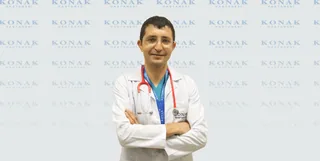
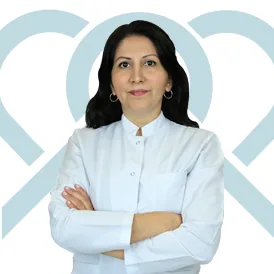
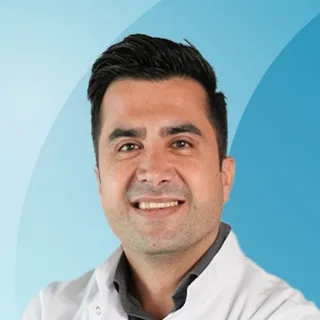
Where they practise
The hospitals and clinics where the most doctors on this list work.
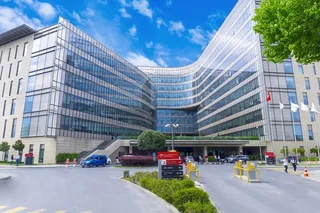
Foundation university hospital opened in 2014, part of VKV Health Institutions, with transplant, cancer, IVF and robotic surgery centers.
Koç University Hospital opened in 2014 as a foundation university hospital.
It belongs to VKV Health Institutions, the Vehbi Koç Foundation health group, which comprises 3 facilities.
- Founded
- 2014
- Doctors listed
- 221
- Group or operator
- Part of VKV Health Institutions (Vehbi Koç Foundation)
- Technology
- Da Vinci robotic surgery system, PET/CT, SPECT/CT, 3 Tesla MRI, Angiography, Endoscopic ultrasound (EUS)
- For international patients
- Transfer service
- Translation service
- Languages
- Albanian, Arabic, Bosnian, Bulgarian, English, French, German, Greek, Persian, Romanian, Russian, Serbian, Ukrainian, Uzbek

JCI-accredited Acıbadem Healthcare Group hospital opened in 2017, with bone marrow transplant, oncology, Gamma Knife Icon and Health Point services.
Intensive care has 75 beds, divided into neonatal (23), pediatric (14), coronary (8), cardiovascular surgery (7) and general (23) units.
- Founded
- 2017
- Doctors listed
- 199
- Capacity
- 350 beds
- Group or operator
- Acıbadem Healthcare Group
- Technology
- Triple hybrid operating theatre system with 3 Tesla MRI, 128-slice sliding CT and robotic-arm angiography, Intraoperative 3 Tesla MRI, Da Vinci robotic surgery system, Tomotherapy HDA, TrueBeam linear accelerator, VitalBeam and Gamma Knife Icon in the oncology unit, PET/CT, SPECT/CT, and 3 more
- For international patients
- Holds health tourism authorization certificate no. ST-0413
- International patient unit 'Health Point' serving in 16 languages
- Awards
- LEED Gold certified green building
- Languages
- Albanian, Arabic, Bosnian, Bulgarian, English, French, Georgian, Persian, Romanian, Russian, Serbian, Somali, Ukrainian, Uzbek
- Accreditations
- JCI
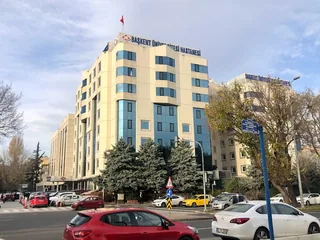
University hospital in Ankara with centres for organ transplantation, IVF and genetic diseases, Da Vinci robotic surgery and CyberKnife.
Başkent University Hospitals trace their origins to 1982, when the Hemodialysis Centre of the Turkish Organ Transplantation and Burn Treatment Foundation formed their basis.
The Ankara hospital is a university hospital operating within Başkent University, whose founding rector was Prof. Dr. Mehmet Haberal.
- Founded
- 1994
- Doctors listed
- 54
- Capacity
- 501 beds
- 14 operating rooms
- Group or operator
- University hospital operating within Başkent University
- Technology
- SPECT/CT, PET/CT, 3 Tesla MRI, Intraoperative 3 Tesla MRI, Da Vinci robotic surgery system, RapidArc Trilogy, CyberKnife, Tomotherapy HDA, and 7 more
- For international patients
- Translation service
- Transfer service
- Travel insurance consultancy service
- Languages
- Arabic, English, French, German, Persian, Russian, Somali
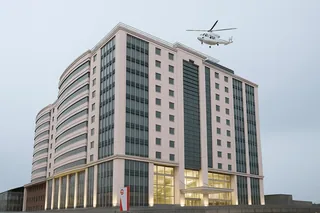
İstinye University Faculty of Medicine Hospital
مستشفى جامعة وقفية · Gaziosmanpaşa, İstanbul
1 doctor on this list
Foundation university hospital listing kidney, liver and bone marrow transplants, TAVI, DBS and brain tumor surgery, with a translation service.
Kidney transplantation, liver transplantation and bone marrow transplant all appear among the featured treatments of İstinye University Faculty of Medicine Hospital.
The hospital is classified as a foundation university hospital and belongs to the medical faculty of İstinye University.
- Founded
- 2025
- Doctors listed
- 35
- For international patients
- Translation service
- Languages
- Albanian, Arabic, Bosnian, Bulgarian, English, French, Russian, Serbian, Ukrainian

Konak Hospital, founded 2006: cardiovascular, thoracic and obesity surgery, a 24/7 pediatric clinic and health tourism authorization ST-0491.
Pediatric care at the hospital is backed by a pediatric intensive care unit.
- Founded
- 2006
- Doctors listed
- 49
- For international patients
- Health tourism authorization number ST-0491
- Translation service
- Transfer service
- Accommodation consultancy service
- and 1 more
- Languages
- Arabic, English
Questions about this list
How many intensive care specialists in Türkiye are listed?
9 intensive care specialists in Türkiye are listed on Medicaltour, practising at 8 private hospitals and clinics that hold the Ministry of Health's health-tourism authorization.
Who are the most experienced intensive care specialists in Türkiye?
By the years of experience reported on HealthTürkiye: Duygu Bidev (23 years), Edin Botan (8 years) and Adem Dursun (8 years).
Where do intensive care specialists in Türkiye practise?
They practise at 8 private hospitals and clinics that hold the Ministry of Health's health-tourism authorization. The most doctors on this list work at Koç University Hospital (2), Acıbadem Altunizade Hospital (1) and Başkent University Ankara Hospital (1).
How many intensive care specialists in Türkiye are professors?
Of the 9 listed, none holds the title of professor; 2 are associate professors, as registered on HealthTürkiye.
Which cities have the most intensive care specialists in Türkiye?
By the city on the Ministry of Health's list: Istanbul (5), Ankara (2), Kocaeli (1), Osmaniye (1).
About this specialty
In EnglishIntensive care treats and closely watches people who are very ill, with a trained team on hand at all hours.
What this specialty covers
Intensive care, also called critical care, looks after people whose injuries or illnesses put their life at risk. This care usually happens on a dedicated hospital ward known as an intensive care unit, or ICU. Some hospitals call the same kind of ward a critical care unit (CCU) or an intensive therapy unit (ITU).1,2
The unit has detailed monitoring equipment, and the staff working there have special training. A team with specific training gives care 24 hours a day. Many patients have 1 or more organs that are not working well; for example, they may not be able to breathe unaided.1,2
Who it is usually for
It is usually considered when a person is so unwell that they require intensive treatment and very close observation. Common reasons include serious accidents, such as road crashes, severe head injuries, bad falls or severe burns. Sudden serious conditions like a heart attack or stroke, and serious infections like sepsis or severe pneumonia, can also lead to admission.1,2
Some people go to intensive care after major surgery, either as a planned step in their recovery or in an emergency if complications develop. Other conditions treated in critical care include heart, kidney or respiratory failure, severe bleeding, shock and COVID-19.1,2
What a visit usually involves
A team of ICU staff watches each patient closely, and the patient is linked to equipment through tubes, wires and cables. This equipment tracks the person's condition and supports body functions until they get better. Machines check vital signs all the time, including heart rate, blood pressure and the amount of oxygen in the blood. Care also usually includes specialised treatments.1,2
A ventilator, or breathing machine, pushes air into and out of the lungs for people with respiratory failure. Its tube may go through the mouth or nose, or through a small surgical opening in the front of the neck that leads to the windpipe, called a tracheostomy. Thin tubes placed in a vein, known as IV lines, deliver fluids, nutrition and medicines using pumps. When normal eating is not possible, food can be given by a tube in the nose, a tube passed through a small opening in the tummy, or directly into a vein.1,2
Drains take away collected blood or fluid, and a catheter in the bladder drains urine. Other support may include dialysis machines, which do the work of the kidneys in kidney failure, and oxygen therapy for extra oxygen. Because some equipment can feel uncomfortable, patients are often given pain relief and sedatives, which are medicines that make them drowsy.1,2
Treatment and follow-up
Some people are ready to leave the ICU within a few days, while others stay for months, and some may get worse there. Once intensive care is no longer required, a person may move to another ward to keep recovering before going home. Many people can recover well after leaving an ICU. Some may require continued support and rehabilitation, and problems that linger can last for several months.2
Risks to discuss with your doctor
Many of the machines that help keep patients alive can also increase the risk of infection. While in the unit, a person may be drowsy, seem confused, look slightly swollen, or have bruises or wounds.1,2
After intensive care, some people have ongoing weakness and stiffness, extreme tiredness and low energy. Others notice a poor appetite and weight loss, or trouble sleeping. Depression, anxiety or post-traumatic stress disorder (PTSD) can occur, as can difficulty thinking clearly and forgetfulness. If any of these problems persist, it is advised to seek medical advice.2
Questions to ask a clinic
- How are treatment decisions made if the patient is sedated or unconscious and cannot give consent?2
- How will an advance directive be used if the patient cannot make important decisions?1
- What are the visiting hours, and are there times when visiting is not advised?2
- How many visitors are allowed at the bedside at one time?2
- What hygiene steps should visitors follow, and which items, such as flowers, cannot be brought in?2
- Could a member of staff explain what each tube, wire and cable connected to the patient does?2
Not sure who to choose?
Describe what you need and we pass your request to suitable authorized providers so a quote can be prepared. It does not commit you to anything.
اطلب عرض سعرOther specialties
- Dentists in Türkiye (4,241)
- Internal medicine specialists in Türkiye (1,314)
- Gynecologists and obstetricians in Türkiye (1,170)
- Pediatricians in Türkiye (914)
- ENT specialists in Türkiye (892)
- Ophthalmologists in Türkiye (821)
- General surgeons in Türkiye (806)
- Plastic surgeons in Türkiye (767)
- Orthopedic surgeons in Türkiye (699)
- Anesthesiologists in Türkiye (674)
- Oral and maxillofacial surgeons in Türkiye (605)
- Radiologists in Türkiye (528)
Specialty is the department each doctor is registered in on HealthTürkiye, the official health-tourism portal.