Gynecologic oncologists in Türkiye
28 gynecologic oncologists in Türkiye are listed on Medicaltour, practising at 25 private hospitals and clinics that hold the Ministry of Health's health-tourism authorization.
16 hold the title of professor. 6 are associate professors. 12 report 20 or more years of experience. 3 have education or training abroad stated on their clinic's website. Languages stated: English (4). By city: Istanbul (12), Ankara (3), Samsun (3), Bursa (2), Izmir (2), Adana (1).
- Experience
- 25 years
- Experience
- 27 years
Tolgay Tuyan İlhan
Professor · جراحة الأورام النسائية
VM Medical Park Mersin Hospital · Mezitli, Mersin
- Experience
- 10 years
- Education
- Graduated from Ankara University Faculty of Medicine in 2003
- Training
- Specialty training in Obstetrics and Gynecology at Ankara Etlik Maternity Hospital (2004-2009)
- Subspecialty training in Gynecologic Oncology at Selçuk University Faculty of Medicine (2013-2016)
- Clinical interests
- Gynecologic Oncology, Laparoscopic Surgery, Hysteroscopy, Uterine Prolapse, Urinary Incontinence Treatment, Vaginal Aesthetics
- Experience
- 38 years
Ateş Karateke
Professor · جراحة الأورام النسائية
Prof. Dr. Ateş Karateke – Gynecologic Oncology · Ataşehir, İstanbul
- Experience
- 41 years
- Education
- Graduated from Istanbul University Istanbul Faculty of Medicine in 1982
- Training
- Specialty training at Women's Hospital, Ankara (1984-1988)
- Memberships
- Member of the Turkish Society of Gynecology and Obstetrics
- Member of the Turkish Association of Urogynecology and Pelvic Reconstructive Surgery
- Languages
- English
Tolga Şişli
Assistant Professor · جراحة الأورام النسائية
VM Medical Park Samsun Hospital · Atakum, Samsun
- Experience
- 3 years
Mehmet Gökçü
Doctor · جراحة الأورام النسائية
Izmir University of Economics Medicalpoint Hospital · Karşıyaka, İzmir
- Experience
- 30 years
- Education
- Graduated from Hacettepe University Faculty of Medicine in 1996
- Training
- Specialty training in Gynecology and Obstetrics at Ankara Etlik Training and Research Hospital (2001)
- Clinical interests
- HPV and cervical lesions, Uterine (endometrial) cancer, Ovarian cancer, Cervical cancer, Endometriosis treatment, Pelvic pain treatment, and 2 more
- Memberships
- Member of European Society of Gynaecological Oncology
- Member of Minimally Invasive Gynecological Oncology Association
- Member of Cervical Pathologies and Colposcopy Association
- and 5 more
Mehmet Mutlu Meydanlı
Professor · جراحة الأورام النسائية
Gaziantep Medicalpoint Hospital · Şehitkâmil, Gaziantep
- Experience
- 16 years
- Education
- Graduated from Ankara University School of Medicine in 1994
- Training
- Specialty training in Obstetrics and Gynecology at Zubeyde Hanim Maternity and Women's Health Training Hospital, Ankara (1999)
- Clinical interests
- Endometrial cancer, Ovarian cancer, Cervical cancer, Rare tumors
- Memberships
- Member of Turkish Society of Gynecological Oncology
- Member of Turkish Society of Cervical Diseases and Colposcopy
- Member of European Society of Gynecological Oncology
- and 3 more
- Publications
- One hundred and six articles in journals indexed in SCI and SCI-expanded
Mustafa Alper Karalök
Associate Professor · جراحة الأورام النسائية
Liv Hospital Ulus · Beşiktaş, İstanbul
- Experience
- 21 years
- Education
- Graduated from Ankara University Faculty of Medicine in 2004
- Training
- Specialty training in Obstetrics and Gynecology at Akdeniz University Faculty of Medicine, Antalya (2011)
- Sub-specialization training in Gynecologic Oncology at Etlik Zübeyde Hanım Obstetrics and Gynecology Training and Research Hospital, Ankara (2014)
- Observership in robotic surgery at Memorial Sloan Kettering Cancer Center, New York, USA (2018)
- Clinical interests
- Pinhole surgery in gynecology, Pinhole surgery in gynecologic cancers, Pre-invasive cervical lesions, Ovarian cancer surgery, Rare ovarian malignancies, Sentinel lymph node application in endometrial cancer, and 2 more
- Memberships
- Member of European Society of Gynaecological Oncology (ESGO)
- Member of European Network of Young Gynae Oncologists (ENYGO)
- Member of Turkish Gynecologic Oncology Association (TRSGO)
- Experience
- 18 years
Sevtap Seyfettinoğlu
Associate Professor · جراحة الأورام النسائية
Medline Hospital (Adana) · Çukurova, Adana
Mehmet Murat Naki
Professor · جراحة الأورام النسائية
Prof. Dr. Mehmet Murat Naki – Gynecologic Oncology · Şişli, İstanbul
- Experience
- 27 years
- Education
- Studied at Istanbul University Faculty of Medicine (1991-1999)
- Training
- Specialty training in Obstetrics and Gynecology at Göztepe Research and Training Hospital (2000-2004)
- Clinical observer in Gynecologic Oncology at Istanbul University Cerrahpaşa Faculty of Medicine, Istanbul, Turkey (2006)
- Clinical observer in Gynecologic Oncology at Memorial Sloan-Kettering Cancer Center, New York, USA (2007-2008)
- Clinical interests
- Operative gynecology and surgical gynecologic oncology, Hysteroscopic and laparoscopic surgery, Robotic gynecologic and oncologic surgery, Gynecologic ultrasonography, Urogynecologic procedures
- Memberships
- Member of Turkish Medical Association (TTB)
- Member of Society of Gynecologic Oncologists (SGO)
- Member of European Society of Gynecologic Oncology (ESGO)
- and 5 more
- Languages
- English
- Experience
- 45 years
- Education
- Graduated from Istanbul University Faculty of Medicine in 1981
- Training
- Specialty training in Obstetrics and Gynecology at Zeynep Kamil Training and Research Hospital (1983-1987)
- Subspecialty training in Gynecologic Oncology Surgery at Zeynep Kamil Training and Research Hospital (2011)
- Clinical interests
- Surgery of gynecologic oncology
- Experience
- 17 years
Ceyhun Numanoğlu
Professor · جراحة الأورام النسائية
Istanbul Beykent University Faculty of Medicine Hospital · Büyükçekmece, İstanbul
- Experience
- 35 years
- Training
- Gynecologic oncology surgery fellowship, Zeynep Kamil Women and Children's Diseases Training and Research Hospital
- Clinical interests
- Laparoscopic oncologic and gynecologic surgery
Tolga Taşçı
Professor · جراحة الأورام النسائية
Bahçeşehir University Medical Park Göztepe Hospital · Kadıköy, İstanbul
İlker Kahramanoğlu
Doctor · جراحة الأورام النسائية
Assoc. Prof. Dr. İlker Kahramanoğlu – Gynecologic Oncology · Kadıköy, İstanbul
- Experience
- 12 years
- Education
- Medical degree, Istanbul University Cerrahpaşa Faculty of Medicine (2003-2009)
- Training
- Obstetrics and gynecology residency at Istanbul Süleymaniye Maternity and Children's Diseases Training and Research Hospital (started 2009)
- Subspecialist in gynecologic oncology surgery since 2018
- Worked at Memorial Sloan Kettering Cancer Center, New York, in 2017
- Memberships
- Member of the European Society of Gynaecological Oncology (ESGO) since 2014
- Publications
- Over 70 international publications (as of 2024)
- Languages
- English
Burak Tatar
Associate Professor · جراحة الأورام النسائية
Assoc. Prof. Dr. Burak Tatar – Gynecologic Oncology · Atakum, Samsun
- Experience
- 6 years
- Education
- Medical degree (MD), Hacettepe University Faculty of Medicine
- Completed PhD program in Molecular Medicine and Genetics, Ondokuz Mayıs University Faculty of Medicine
- Training
- Specialist in Obstetrics and Gynecology, Hacettepe University Faculty of Medicine
- Subspecialty in gynecologic oncology surgery, Süleyman Demirel University Division of Gynecologic Oncology
- Won the International Gynecologic Cancer Society Traveling Fellowship in 2015 and was a clinical observer at Memorial Sloan Kettering Cancer Center, New York
- and 1 more
- Clinical interests
- Cancer genetics (main research area); gynecologic cancer surgery and laparoscopic gynecologic surgery
Doğan Vatansever
Associate Professor · جراحة الأورام النسائية
Koç University Hospital · Zeytinburnu, İstanbul
Derman Başaran
Associate Professor · جراحة الأورام النسائية
Lösante Children's and Adult Hospital · Gölbaşı, Ankara
Ülkü Esra Kuşcu
Professor · جراحة الأورام النسائية
Başkent University Ankara Hospital · Çankaya, Ankara
- Experience
- 29 years
- Experience
- 15 years
- Experience
- 47 years
- Clinical interests
- Gynecological Oncology, Urogynecology, Pelvic Reconstructive Surgery
- Memberships
- Member of the Obstetrics and Gynecology Association of Turkey (TJOD)
- Member of the Gynecological Oncology Association of Turkey
- Member of the Gynecological Obstetric Ultrasound Association of Turkey
- and 5 more
- Languages
- English
Yusuf Yıldırım
Professor · جراحة الأورام النسائية
Prof. Dr. Yusuf Yıldırım – Gynecologic Oncology · Bayraklı, İzmir
- Experience
- 29 years
- Education
- Graduated from Ege University Faculty of Medicine
- Training
- Completed specialty training in general surgery, obstetrics and gynecology, gynecologic oncology and surgical oncology
- Advanced robotic surgery training at Cleveland Clinic (USA) in 2014
- Clinical interests
- Surgical treatment of gynecologic, breast, gastrointestinal and peritoneal cancers
- Memberships
- Fellow of the American College of Surgeons (FACS)
- Publications
- More than 150 peer-reviewed scientific publications



Where they practise
The hospitals and clinics where the most doctors on this list work.
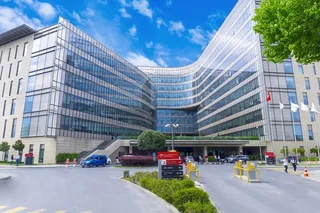
Foundation university hospital opened in 2014, part of VKV Health Institutions, with transplant, cancer, IVF and robotic surgery centers.
Gynecology is divided into a gynecologic oncology (women's cancer surgery) center, an endometriosis and minimally invasive gynecologic surgery clinic, and a urogynecology and pelvic floor center.
- Founded
- 2014
- Doctors listed
- 221
- Group or operator
- Part of VKV Health Institutions (Vehbi Koç Foundation)
- Technology
- Da Vinci robotic surgery system, PET/CT, SPECT/CT, 3 Tesla MRI, Angiography, Endoscopic ultrasound (EUS)
- For international patients
- Transfer service
- Translation service
- Languages
- Albanian, Arabic, Bosnian, Bulgarian, English, French, German, Greek, Persian, Romanian, Russian, Serbian, Ukrainian, Uzbek
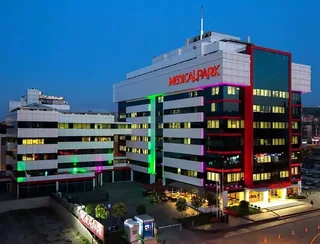
MLPCare group hospital in Samsun, founded 2009, with an intensive care floor, cardiovascular surgery, radiation therapy, PET/CT and translation service.
A hospital directory profile says that one floor of this Samsun hospital is used only for adult, neonatal and coronary intensive care units.
The same profile states that it is the region's first and only private hospital with a floor dedicated to intensive care.
- Founded
- 2009
- Doctors listed
- 104
- Capacity
- 8 operating rooms, some dedicated to cardiovascular surgery
- Group or operator
- Part of MLPCare Health Services Group
- Technology
- PET/CT, Angiography, Ultrasonography, Panoramic dental X-ray, LINAC (linear accelerator), Angiography laboratory, radiology and nuclear medicine imaging systems
- For international patients
- Transfer service
- Translation service
- Languages
- Arabic, English, Georgian, Russian

Acıbadem group hospital open since 2006, with kidney and liver transplants, oncology, IVF, 42 ICU beds, PET/CT and interpreter support.
Cancer care involves Prof. Özkan Kanat in medical oncology and Prof. Tufan Bilgin in gynecologic oncology surgery.
- Founded
- 2006
- Doctors listed
- 41
- Capacity
- 91 patient beds
- 7 operating rooms plus 1 IVF operating room
- Group or operator
- Part of Acıbadem Healthcare Group
- Technology
- Coronary and DSA angiography suites, PET/CT, 3 Tesla MRI, 3D tomosynthesis mammography, Angiography, Ultrasonography
- For international patients
- Holds health tourism authorization certificate ST-0134
- Interpreter support for international patients (English routinely, other languages arranged)
- Coordinators arrange transfers for planned visits
- Languages
- Arabic, English, French, Russian
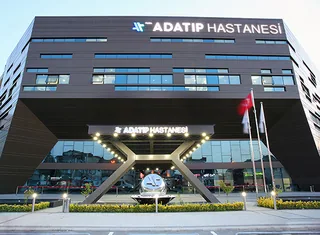
Hospital in Sakarya founded in 1995 with radiation and medical oncology, cardiovascular surgery, an obesity surgery unit, IVF and ISO 9001 certificate.
Radiation oncology and medical oncology are both listed among the hospital's departments, alongside gynecological oncology surgery.
- Founded
- 1995
- Doctors listed
- 68
- Group or operator
- Part of the group of companies owned by businessman Orhan Kocabıyık since June 2014
- Technology
- Angiography, Radiation Oncology Unit equipped with a renewed radiotherapy device
- For international patients
- Transfer service
- Translation service
- Accommodation consultancy service
- Exchange office
- Languages
- Arabic, English, French, German, Russian
- Accreditations
- ISO 10002, ISO 9001

Founded in 2016 in Osmangazi, Bursa: 100 single rooms, 20 ICU and 10 neonatal ICU beds, 7 operating rooms, 24/7 emergency care.
Surgeon Olcay İlhan works in Gynecologic Oncology Surgery.
- Founded
- 2016
- Doctors listed
- 39
- Capacity
- 100-bed capacity
- 7 operating rooms, including rooms built to organ-transplant standard
- Group or operator
- Part of Aritmi Sağlık Grubu (Aritmi Health Group)
- Technology
- Radiology unit with CT, MRI, digital X-ray, mammography and ESWL (shock-wave lithotripsy), Force CT, Endoscopic ultrasound (EUS), Bone densitometry, Optical coherence tomography (OCT), Excimer laser
- For international patients
- Registered on HealthTürkiye with health tourism authorization number ST-0043
- Transfer service
- Accommodation consultancy service
- Languages
- Arabic
Questions about this list
How many gynecologic oncologists in Türkiye are listed?
28 gynecologic oncologists in Türkiye are listed on Medicaltour, practising at 25 private hospitals and clinics that hold the Ministry of Health's health-tourism authorization.
Who are the most experienced gynecologic oncologists in Türkiye?
By the years of experience reported on HealthTürkiye: Orhan Ünal (47 years), Yadigar Sadiye Eren (45 years) and Ateş Karateke (41 years).
Where do gynecologic oncologists in Türkiye practise?
They practise at 25 private hospitals and clinics that hold the Ministry of Health's health-tourism authorization. The most doctors on this list work at Koç University Hospital (3), VM Medical Park Samsun Hospital (2) and Acıbadem Bursa Hospital (1).
How many gynecologic oncologists in Türkiye are professors?
Of the 28 listed, 16 hold the title of professor and 6 are associate professors, as registered on HealthTürkiye.
How many gynecologic oncologists in Türkiye trained abroad?
3 have education or training abroad stated on their clinic's website. Countries stated: United States (3).
Which languages do gynecologic oncologists in Türkiye speak?
Languages stated for individual doctors on their clinics' websites: English (4).
Which cities have the most gynecologic oncologists in Türkiye?
By the city on the Ministry of Health's list: Istanbul (12), Ankara (3), Samsun (3), Bursa (2), Izmir (2), Adana (1).
About this specialty
In EnglishGynecologic oncology deals with cancers such as ovarian and cervical cancer, from diagnosis and staging through treatment and follow-up.
What this specialty covers
Ovarian cancer begins in the ovaries. Among cancers of the female reproductive organs, it is responsible for the most deaths. The form seen most often is epithelial cancer, which grows from the layer of cells on the surface of the ovary. Less common forms include malignant germ cell tumors and stromal tumors.1,2
The disease can also involve the fallopian tubes or the peritoneum, the lining inside the abdomen. Closely related cancers can start in the lining of a fallopian tube or in the peritoneal lining itself. Cervical cancer is another key area. It develops when an infection with human papillomavirus (HPV) does not clear. Worldwide, it ranks fifth among cancers diagnosed in women.2,3,4
Who it is usually for
Anyone who has ovaries can develop ovarian cancer, and the risk is highest in older women. Risk also rises with gene changes passed down in families, such as in BRCA1 or BRCA2, with genetic conditions like Lynch syndrome, and with endometriosis. For women thought to be at high risk, a doctor may suggest checking BRCA1, BRCA2 or other genes linked to cancer. Women living with HIV face a cervical cancer risk about six times higher than the general population.1,2,3,4
What a visit usually involves
An assessment often starts with a general physical examination and an internal pelvic examination, which may reveal a lump in an ovary or the abdomen. Blood tests such as CA-125 may be taken, although this test is not regarded as a reliable way to screen for ovarian cancer.1,2
Imaging may include an ultrasound done with a slim probe placed in the vagina, known as a transvaginal scan, or CT, PET or MRI scans of the pelvis or abdomen. Sometimes an operation such as laparoscopy or exploratory laparotomy is needed to find the cause of symptoms. Taking a tissue sample, called a biopsy, is often the only way to confirm ovarian cancer. Further tests can show how large the cancer is and how far it has spread, a step called staging.1,2,3
To check the cervix, a doctor may apply acetic acid and look at the surface, with or without magnification, to find abnormal areas. A team of different specialists aims to complete diagnosis and staging before any treatment is chosen.4
Treatment and follow-up
Surgery plays a part in treating almost every stage of ovarian cancer. One aim, called debulking, is to take out areas where the tumor has spread. Chemotherapy then treats any cancer left behind and can be given straight into the abdominal cavity, known as intraperitoneal treatment. Targeted medicines and hormone treatments are other options, while radiotherapy is seldom used for ovarian cancer.1,3
Abnormal cervical cells that have not yet become cancer can be destroyed with a heated probe (thermal ablation) or a cold probe (cryotherapy). This is usually quick and may cause limited discomfort. Cervical cancer itself may be treated with surgery, radiotherapy or chemotherapy, along with palliative care for support and pain relief.4
Regular check-ups continue during and after treatment, and the oncologist decides how often visits and tests take place. When a cancer cannot be cured, a palliative care or symptom control team joins the care.1,3
Risks to discuss with your doctor
Ovarian cancer often causes vague symptoms, and by the time they appear the disease is frequently advanced. For younger women, treatment may change periods and affect fertility. Even after the ovaries and tubes are removed to lower risk, ovarian cancer may still appear elsewhere in the pelvis. The care team explains each treatment along with its benefits and side effects. Symptoms or side effects that cause concern are worth raising with the specialists promptly.1,2,3
Questions to ask a clinic
- How will the size, type, location and spread of the cancer, and my general health, shape the treatment plan?3
- Are there options to preserve fertility before treatment starts?3
- Would genetic test results change the treatment plan you suggest?2
- How often will follow-up visits and tests be needed after treatment?1
- Can a friend, relative or staff member be present during my examination?3
- How do you decide whether hormone treatment is suitable?3
Other specialties
- Dentists in Türkiye (4,241)
- Internal medicine specialists in Türkiye (1,314)
- Gynecologists and obstetricians in Türkiye (1,170)
- Pediatricians in Türkiye (914)
- ENT specialists in Türkiye (892)
- Ophthalmologists in Türkiye (821)
- General surgeons in Türkiye (806)
- Plastic surgeons in Türkiye (767)
- Orthopedic surgeons in Türkiye (699)
- Anesthesiologists in Türkiye (674)
- Oral and maxillofacial surgeons in Türkiye (605)
- Radiologists in Türkiye (528)
Specialty is the department each doctor is registered in on HealthTürkiye, the official health-tourism portal.