Gastroenterologists in Türkiye
199 gastroenterologists in Türkiye are listed on Medicaltour, practising at 137 private hospitals and clinics that hold the Ministry of Health's health-tourism authorization.
80 hold the title of professor. 30 are associate professors. 90 report 20 or more years of experience. 10 have education or training abroad stated on their clinic's website. Languages stated: English (11), German (1), Japanese (1). By city: Istanbul (88), Ankara (27), Izmir (23), Gaziantep (9), Adana (6), Antalya (6).
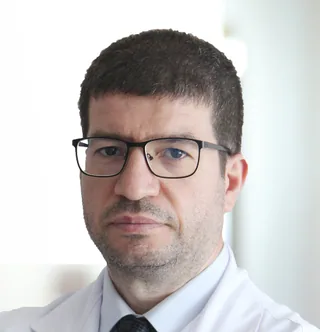
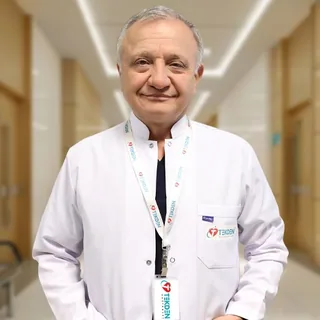
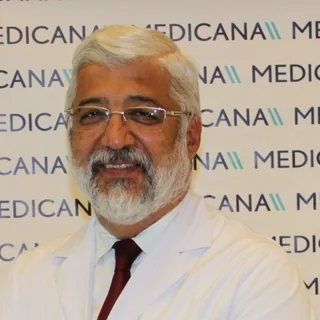
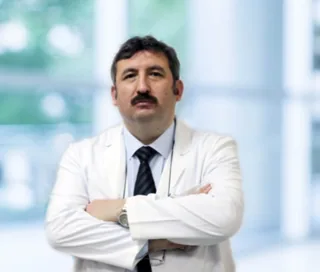
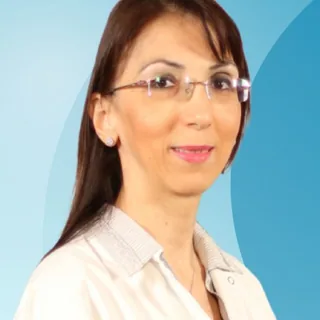
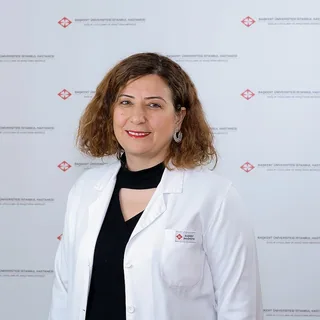
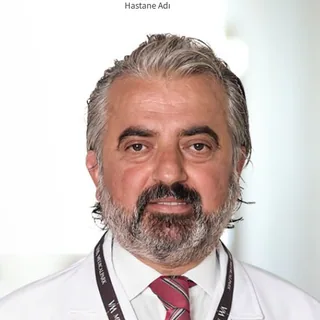
Muhammet Fatih Aydın
Associate Professor · أمراض الجهاز الهضمي
Altınbaş University Medical Park Bahçelievler Hospital · Bahçelievler, İstanbul
- Clinical interests
- Hepatosteatosis, Reflux, Stomach cancer, Colon cancer, Rectal cancer, Breast cancer, and 2 more
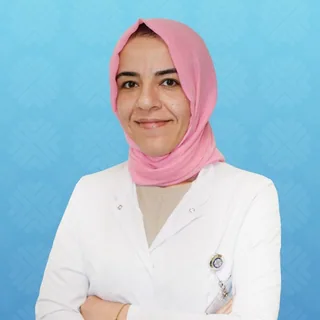
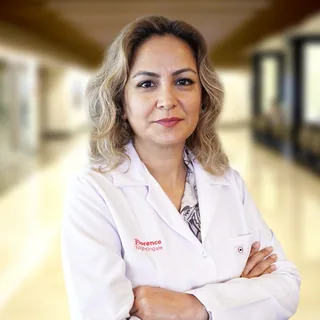
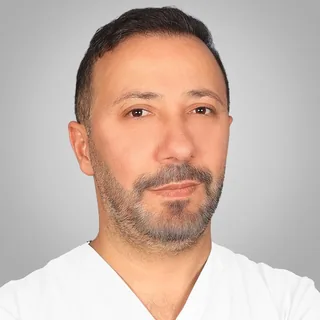
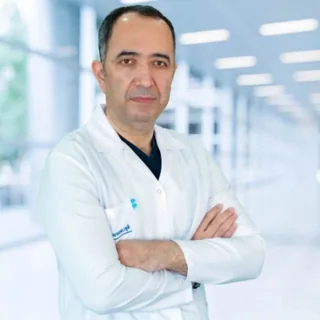
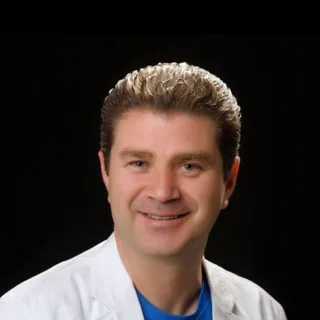
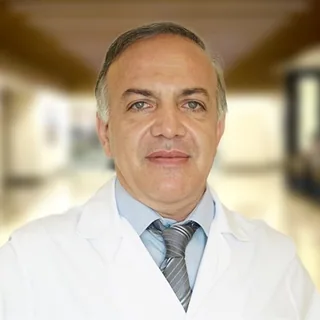
Aysun Yakut
Associate Professor · أمراض الجهاز الهضمي
Istanbul Medipol University Hospital · Küçükçekmece, İstanbul
- Experience
- 9 years
- Experience
- 16 years
- Education
- Graduated from Hacettepe University Faculty of Medicine in 2004
- Training
- Specialty training in Internal Medicine at Fatih University
- Subspecialty training in Gastroenterology at Turgut Özal University (2013-2016)
- Observership at Texas Medical Center-Ertan Digestive Disease Center, Texas, USA (2016)
- Experience
- 19 years
- Education
- Graduated from 19 May Faculty of Medicine
- Training
- Specialty training in Internal Medicine at İzmir Atatürk Training and Research Hospital
- Specialty training in Gastroenterology at İzmir Atatürk Training and Research Hospital
- Memberships
- Member of Turkish Gastroenterology Association
- Languages
- English
- Experience
- 19 years
- Experience
- 16 years
- Education
- Graduated from Istanbul University Istanbul Faculty of Medicine in 2005
- Training
- Specialty training in Internal Medicine at Haseki Training and Research Hospital (2010)
- Subspecialty training in Gastroenterology at Sakarya University Faculty of Medicine (2021)
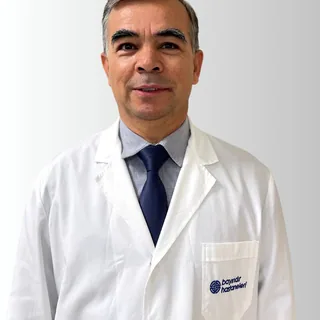
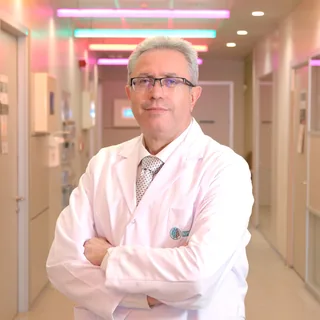
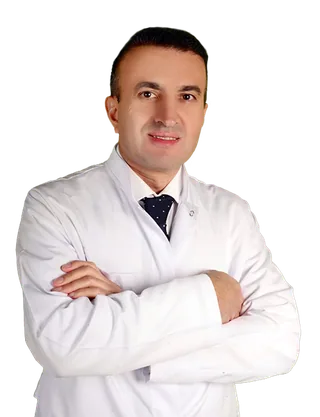
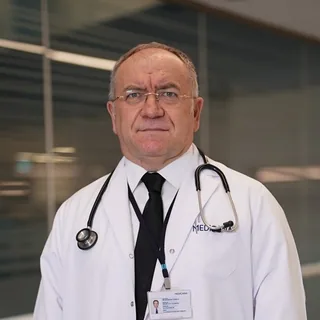
Kemalettin Yılmaz
M.D. Specialist · أمراض الجهاز الهضمي
Acıbadem Bayındır Kavaklıdere Hospital · Çankaya, Ankara
- Experience
- 33 years
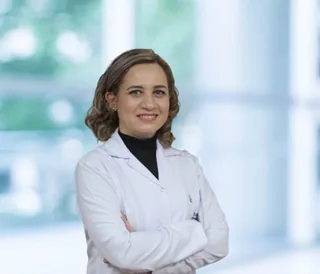
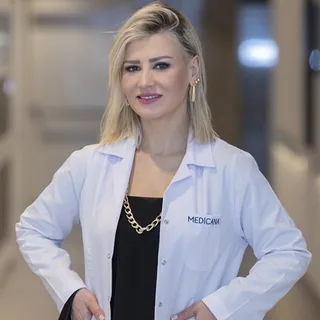
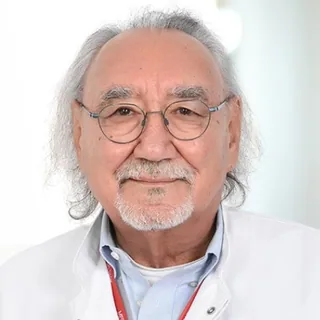
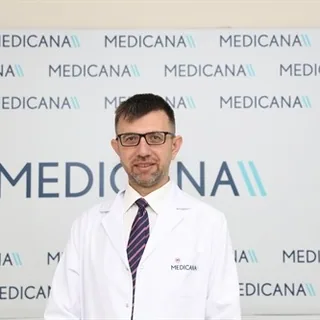
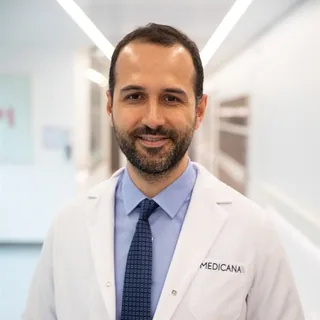
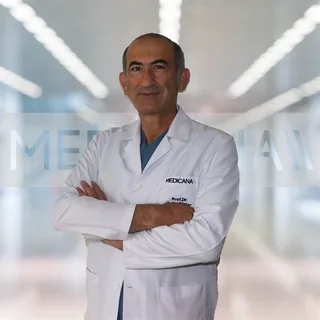
Pınar Gökçen
Associate Professor · أمراض الجهاز الهضمي
Medicana Ataşehir Hospital · Ataşehir, İstanbul
- Experience
- 19 years
- Experience
- 42 years
- Experience
- 16 years
- Experience
- 15 years
- Experience
- 47 years
- Education
- Graduated from Dokuz Eylül University Faculty of Medicine
- Training
- Specialty training in Internal Medicine at Dokuz Eylül University Faculty of Medicine (1979-1983)
- Subspecialty training in Gastroenterology at Atatürk Training Hospital (1993-1994)
- Training in Gastroenterology at Showa University, Yokohama, Japan
- Languages
- English
- Experience
- 36 years
- Education
- Graduated from Ankara University Faculty of Medicine in 1995
- Training
- Specialty training in Gastroenterology at Ankara University (1998-2002)
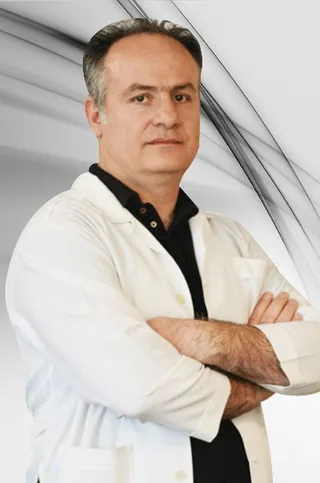
Uğur Korkmaz
Associate Professor · أمراض الجهاز الهضمي
Lokman Hekim Istanbul Hospital · Pendik, İstanbul
- Experience
- 24 years
- Experience
- 28 years
- Experience
- 34 years
- Education
- Graduated from Selçuk University Faculty of Medicine in 1992
- Training
- Specialty training in Internal Medicine at Selçuk University Faculty of Medicine (1992-1997)
- Specialty training in Gastroenterology at Başkent University (2008-2012)
- Clinical interests
- Endoscopic procedures, Ultrasonography, Endoscopic ultrasound
- Treatments
- استئصال البواسير, استئصال المعدة, استئصال النصفي, استئصال شق الناسور, التنظير الداخلي, الفغر المعوي, and 6 more
- Experience
- 23 years
- Experience
- 17 years
Nurten Savaş
Professor · أمراض الجهاز الهضمي
Başkent University Istanbul Health Research and Application Center · Üsküdar, İstanbul
- Experience
- 21 years
- Education
- Graduated from Hacettepe University School of Medicine in 1993
- Training
- Specialty training in Internal Medicine at Ankara Numune Hospital (1993–1997)
- Fellowship in Gastroenterology at Turkish Medical Specialty Hospital (2000–2004)
- Experience
- 31 years
- Experience
- 50 years
- Education
- Graduated from Ankara University Faculty of Medicine in 1976
- Training
- Residency in Internal Medicine at Ankara University Faculty of Medicine
- Specialty training in Gastroenterology at Ankara University Faculty of Medicine (1983–1985)
- Scholarship-funded work in diagnostic and therapeutic endoscopy and endoscopic ultrasonography at Tokyo Women's Medical College Hospital, Japan (1985–1986)
- and 1 more
- Clinical interests
- Colonoscopy, Helicobacter pylori infection diagnosis and treatment
- Memberships
- Member of the Turkish Society of Gastroenterology
- Member of the Turkish Academy of Sciences (TÜBA)
- Member of the Asian Pacific Association for the Study of the Liver (APASL)
- and 5 more
- Treatments
- استئصال البواسير, استئصال المعدة, استئصال النصفي, استئصال شق الناسور, التنظير الداخلي, الفغر المعوي, and 6 more
- Experience
- 13 years
- Experience
- 46 years
- Education
- Graduated from Hacettepe University Faculty of Medicine in 1980
- Training
- Completed gastroenterology specialty training in 1990
Muhammed Mustafa Süveran
M.D. Specialist · أمراض الجهاز الهضمي
Medicana Bahçelievler Hospital · Bahçelievler, İstanbul
- Experience
- 14 years
- Experience
- 33 years
Ömer Faruk Yolcu
M.D. Specialist · أمراض الجهاز الهضمي
VM Medical Park Samsun Hospital · Atakum, Samsun
- Experience
- 9 years
- Experience
- 39 years
Where they practise
The hospitals and clinics where the most doctors on this list work.
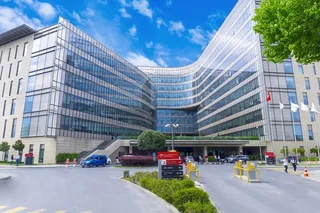
Foundation university hospital opened in 2014, part of VKV Health Institutions, with transplant, cancer, IVF and robotic surgery centers.
Koç University Hospital opened in 2014 as a foundation university hospital.
It belongs to VKV Health Institutions, the Vehbi Koç Foundation health group, which comprises 3 facilities.
- Founded
- 2014
- Doctors listed
- 221
- Group or operator
- Part of VKV Health Institutions (Vehbi Koç Foundation)
- Technology
- Da Vinci robotic surgery system, PET/CT, SPECT/CT, 3 Tesla MRI, Angiography, Endoscopic ultrasound (EUS)
- For international patients
- Transfer service
- Translation service
- Languages
- Albanian, Arabic, Bosnian, Bulgarian, English, French, German, Greek, Persian, Romanian, Russian, Serbian, Ukrainian, Uzbek
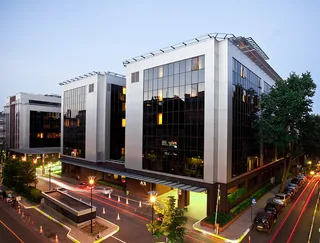
JCI-accredited Nişantaşı hospital in VKV Health Institutions: oncology, IVF, obesity surgery, Da Vinci robotic surgery and international services.
The hospital is part of VKV Health Institutions, the group that also includes Koç University Hospital and American Medical Center.
The official record lists 1995 as its foundation year, 185 doctors, 1862 personnel and 48 branches.
- Founded
- 1995
- Doctors listed
- 172
- Group or operator
- Part of VKV Health Institutions (with Koç University Hospital and American Medical Center)
- Technology
- Force CT, SPECT/CT, PET/CT, 3 Tesla MRI, Da Vinci robotic surgery system, TrueBeam radiotherapy system, Single-dose radiotherapy, 3D tomosynthesis mammography, and 2 more
- For international patients
- Translation service
- Transfer service
- Accommodation consultancy service
- Travel insurance consultancy service
- and 1 more
- Languages
- Albanian, Arabic, Bosnian, Bulgarian, English, French, Georgian, Persian, Romanian, Russian, Serbian, Ukrainian, Uzbek
- Accreditations
- ISO 27001, JCI

JCI-accredited Acıbadem Healthcare Group hospital opened in 2017, with bone marrow transplant, oncology, Gamma Knife Icon and Health Point services.
Acıbadem Altunizade Hospital opened in March 2017 as the 21st hospital of the Acıbadem Healthcare Group.
The building has been awarded a LEED Gold certificate as a green building.
- Founded
- 2017
- Doctors listed
- 199
- Capacity
- 350 beds
- Group or operator
- Acıbadem Healthcare Group
- Technology
- Triple hybrid operating theatre system with 3 Tesla MRI, 128-slice sliding CT and robotic-arm angiography, Intraoperative 3 Tesla MRI, Da Vinci robotic surgery system, Tomotherapy HDA, TrueBeam linear accelerator, VitalBeam and Gamma Knife Icon in the oncology unit, PET/CT, SPECT/CT, and 3 more
- For international patients
- Holds health tourism authorization certificate no. ST-0413
- International patient unit 'Health Point' serving in 16 languages
- Awards
- LEED Gold certified green building
- Languages
- Albanian, Arabic, Bosnian, Bulgarian, English, French, Georgian, Persian, Romanian, Russian, Serbian, Somali, Ukrainian, Uzbek
- Accreditations
- JCI

JCI-accredited hospital in Çiğli, İzmir with 272 beds, 12 operating rooms, organ and bone marrow transplants, an oncology center, IVF and maternity.
The hospital opened in 2004 and joined Acıbadem Healthcare Group on 14 February 2023.
It has 272 patient beds, 12 operating rooms and 54 intensive care beds.
- Founded
- 2004
- Doctors listed
- 108
- Capacity
- 272 patient beds
- 12 operating rooms
- Group or operator
- Joined Acıbadem Healthcare Group on 14 February 2023
- Technology
- TrueBeam and Ethos radiotherapy systems, 3 Tesla MRI, PET-CT and SPECT-CT, 3D tomosynthesis digital mammography, Da Vinci Xi robotic surgery system, Gamma Knife Esprit, O-Arm surgical imaging system and surgical navigation system, DSA angiography, and 3 more
- For international patients
- Holds health tourism authorization certificate (no. ST-0242)
- Languages
- English, French, German, Persian
- Accreditations
- JCI
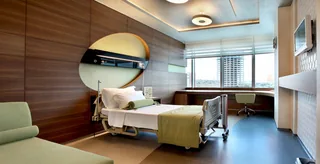
Bahçeşehir University Medical Park Göztepe Hospital
مستشفى جامعة وقفية · Kadıköy, İstanbul
4 doctors on this list
JCI-accredited foundation university hospital in Kadıköy, İstanbul, part of MLPCare, with a cancer hospital, kidney transplant center and 64 ICU beds.
Bahçeşehir Üniversitesi Medical Park Göztepe Hastanesi includes a cancer hospital within its complex, where medical oncology, radiation oncology, cancer surgery, genetics, complementary medicine, psychology and nutrition are brought together under one roof.
Patients of the cancer hospital can also receive consultations from the general hospital for their diagnosis and treatment.
- Founded
- 2008
- Doctors listed
- 49
- Capacity
- 9 operating rooms
- Group or operator
- Part of MLPCare Health Services Group
- Technology
- PET/CT, SPECT/CT, 3 Tesla MRI, Intraoperative 3 Tesla MRI, Single dose radiotherapy, 3D tomosynthesis mammography, 4D breast ultrasonography, Angiography, and 2 more
- For international patients
- Holds health tourism authorization number ST-0122
- Serves patients coming from abroad
- Languages
- Albanian, Arabic, Bosnian, Bulgarian, English, French, Georgian, Persian, Romanian, Russian, Serbian, Uzbek
- Accreditations
- JCI
Questions about this list
How many gastroenterologists in Türkiye are listed?
199 gastroenterologists in Türkiye are listed on Medicaltour, practising at 137 private hospitals and clinics that hold the Ministry of Health's health-tourism authorization.
Who are the most experienced gastroenterologists in Türkiye?
By the years of experience reported on HealthTürkiye: Serab Arslan (52 years), Yusuf Bayraktar (51 years) and Necati Örmeci (50 years).
Where do gastroenterologists in Türkiye practise?
They practise at 137 private hospitals and clinics that hold the Ministry of Health's health-tourism authorization. The most doctors on this list work at Koç University Hospital (7), VKV American Hospital (5) and Acıbadem Altunizade Hospital (4).
How many gastroenterologists in Türkiye are professors?
Of the 199 listed, 80 hold the title of professor and 30 are associate professors, as registered on HealthTürkiye.
How many gastroenterologists in Türkiye trained abroad?
10 have education or training abroad stated on their clinic's website. Countries stated: South Korea (4), United States (4), Japan (2), United Kingdom (1).
Which languages do gastroenterologists in Türkiye speak?
Languages stated for individual doctors on their clinics' websites: English (11), German (1), Japanese (1).
Which cities have the most gastroenterologists in Türkiye?
By the city on the Ministry of Health's list: Istanbul (88), Ankara (27), Izmir (23), Gaziantep (9), Adana (6), Antalya (6).
About this specialty
In EnglishGastroenterology is the medical field that focuses on finding and treating disorders of the digestive tract.
What this specialty covers
A gastroenterologist is a doctor with additional training in recognising and managing digestive disorders. These disorders affect the digestive tract, which is also called the gastrointestinal (GI) tract. The tract includes the esophagus (food pipe), the stomach, the small and large intestines, the liver, the pancreas and the gallbladder. The liver, gallbladder and pancreas make juices that support digestion. Conditions in this area can be mild or serious.1,2,3
Frequently seen problems include heartburn, irritable bowel syndrome, lactose intolerance, GERD (gastroesophageal reflux disease), hiatal hernia, peptic ulcer disease and cancer. The field also covers gastritis, gastric ulcers, hepatitis, cirrhosis, pancreatitis, gallstones, achalasia, celiac disease, Crohn disease, ulcerative colitis and hemorrhoids.1
Who it is usually for
Digestive problems often first show up as bleeding, bloating, belly pain or changes in bowel habits. Symptoms vary widely with the underlying problem. A gastroscopy may be used to look into indigestion, trouble swallowing, stomach pain, vomiting blood or black stools, and to check for some stomach or oesophageal cancers. A colonoscopy may be considered for belly pain, weight loss, bowel changes, blood in the stool or anemia linked to low iron. It is also used in inflammatory bowel disease and to screen for colorectal cancer.1,2,3,4
What a visit usually involves
Common tests in this field are endoscopic ultrasound, capsule endoscopy, upper GI endoscopy (EGD), ERCP and colonoscopy. In a gastroscopy, a slim tube fitted with a camera is used to look at the food pipe, the stomach and the first part of the intestine. A throat-numbing spray or sedation through a thin line in the arm may be offered. Food is stopped at least 6 hours beforehand, and the test usually lasts about 15 to 45 minutes. Tissue samples (biopsies) may be taken to look for cancer, and this is not felt. Gastroscopy can also treat problems, for example by widening the oesophagus or stopping bleeding.1,2
A colonoscopy uses an instrument called a colonoscope to see inside the colon and rectum, and a gastroenterologist usually carries it out. The bowel must first be fully emptied, which usually means drinking plenty of clear fluids for 1 to 3 days. Tiny tools passed through the scope can take biopsies or remove polyps.4
Treatment and follow-up
After sedation, someone needs to take the person home and remain with them for 24 hours. After a numbing spray, eating and drinking should wait an hour. Some throat and stomach soreness after gastroscopy is normal and usually eases within hours. People can usually leave about one hour after a colonoscopy and resume normal activities the next day, though mild cramping and gas are common. Driving, using machinery, alcohol and important decisions should be avoided for at least 24 hours.2,4
A follow-up appointment may be arranged to go over results and possible treatments. Care may also involve dietitians, radiologists and surgeons, and transplants of the liver, pancreas or small intestine can be performed.1,2
Risks to discuss with your doctor
Gastroscopy is a common test and complications are rare, though they can include bleeding in the stomach. Colonoscopy risks include heavy or ongoing bleeding after a biopsy or polyp removal, and a tear in the colon wall that needs surgery to repair. Infection that needs antibiotics is very rare. The relaxing medicine can sometimes cause breathing problems or low blood pressure. Blood thinners should not be stopped without speaking to the doctor first, especially after a heart problem. Pregnancy should be mentioned before a gastroscopy.2,4
Questions to ask a clinic
- What bowel preparation will I need, and what happens if my bowel is not clean enough?4
- Can polyps be removed during the same colonoscopy?4
- Will a numbing spray, sedation or both be offered for my gastroscopy?2
- Am I able to halt the gastroscopy partway through if I want to?2
- How long will biopsy results take, and will there be a follow-up appointment?2
- Should I keep taking my blood thinners before the test?4
Other specialties
- Dentists in Türkiye (4,241)
- Internal medicine specialists in Türkiye (1,314)
- Gynecologists and obstetricians in Türkiye (1,170)
- Pediatricians in Türkiye (914)
- ENT specialists in Türkiye (892)
- Ophthalmologists in Türkiye (821)
- General surgeons in Türkiye (806)
- Plastic surgeons in Türkiye (767)
- Orthopedic surgeons in Türkiye (699)
- Anesthesiologists in Türkiye (674)
- Oral and maxillofacial surgeons in Türkiye (605)
- Radiologists in Türkiye (528)
Specialty is the department each doctor is registered in on HealthTürkiye, the official health-tourism portal.